
Abhishek slaps 10-crore defamation notice on Madan Mitra over 'murderer' jibe
.gif)

Download Mobile App 






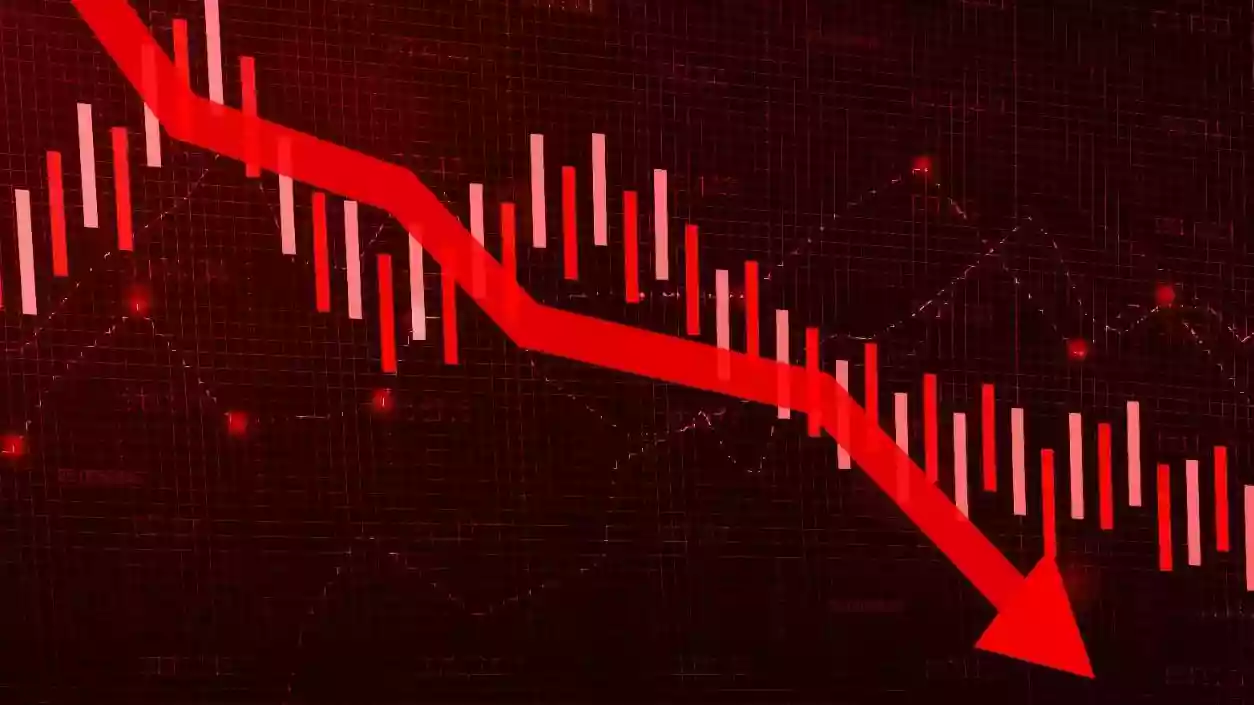
Indian stock markets witnessed a sharp and prolonged downturn in March 2026, with investor wealth eroding by nearly ₹51 lakh crore amid global uncertainties triggered by the ongoing geopolitical conflict. Benchmark indices recorded steep declines, with the Sensex falling by around 9,340 points and the NSE Nifty 50 dropping approximately 2,850 points during the month, reflecting sustained selling pressure across sectors.
The decline was mirrored in overall market capitalisation, which fell from ₹463.25 lakh crore on February 27 to ₹412.43 lakh crore by March 30. This sharp contraction translated into a notional loss of over ₹50.82 lakh crore. The situation was further compounded by currency weakness, as the rupee depreciated to 95.14 against the US dollar, intensifying concerns among investors and contributing to a broader loss exceeding $534 billion in market value.
The sell-off has been driven by rising crude oil prices, fears of inflation, and the possibility of a global economic slowdown. Market volatility has also limited opportunities for investors to shift capital into traditional safe-haven assets, which have shown inconsistent performance in the current environment. As a result, investors are facing a complex situation with limited clarity on short-term direction.
Despite the ongoing correction, some opportunities are emerging in select stocks where valuations have become more attractive while fundamentals remain intact. Experts suggest focusing on companies with strong earnings visibility, stable growth outlook, and reasonable valuations, particularly those that have already undergone significant correction or are trading below historical averages.
Market participants are expected to adopt a cautious approach in the near term, closely monitoring global developments such as crude oil price trends, currency stability, and geopolitical progress. Analysts believe that understanding market cycles is crucial, as the most significant gains typically occur during recovery phases, indicating that patience and disciplined investment strategies may be key in navigating the current volatility.










 West Bengal
 Bihar
Bihar Uttar Pradesh
 Jharkhand