
Sonam Wangchuk vows to continue hunger strike as CJP reclaims Jantar Mantar stage
.gif)

Download Mobile App 






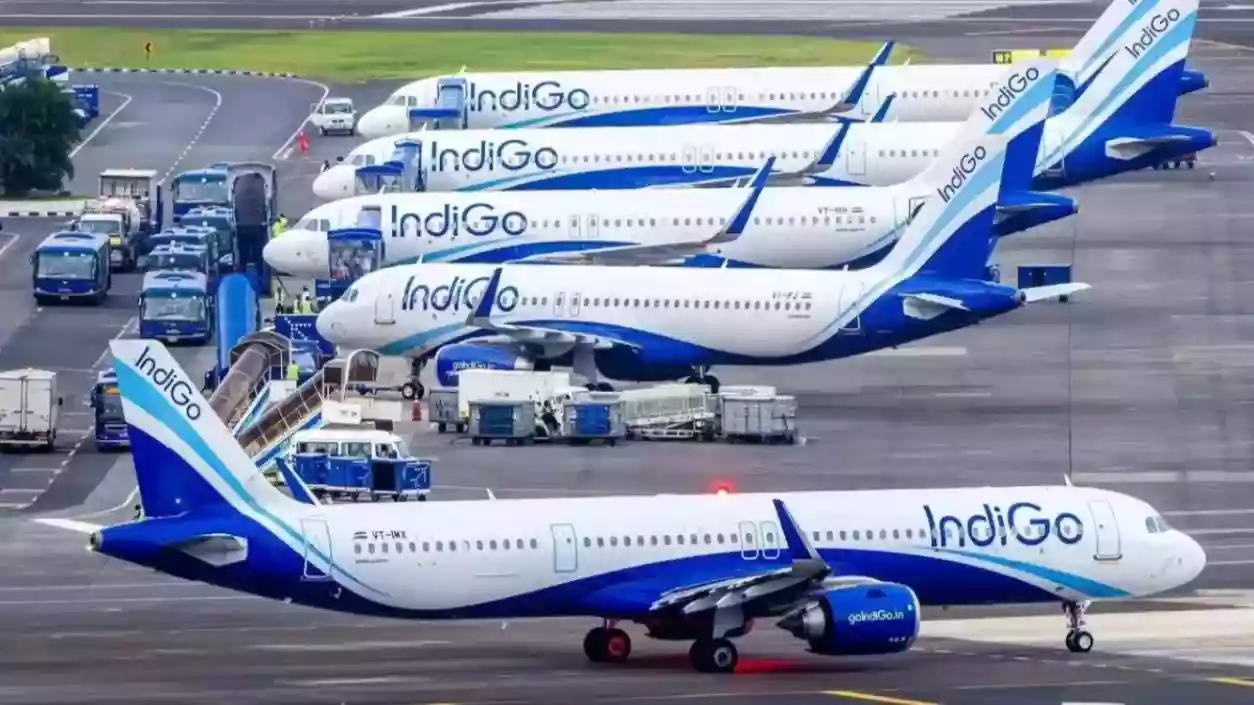
The Directorate General of Civil Aviation (DGCA) on Wednesday said IndiGo has informed the regulator that it is fully prepared to comply with the approved Flight Duty Time Limitation (FDTL) scheme with effect from February 11, following the expiry of temporary exemptions. The airline has put in place necessary operational, rostering and monitoring arrangements to ensure adherence to the revised statutory provisions.
According to the regulator, IndiGo had earlier been granted a one-time temporary waiver on December 5, 2025, valid until February 10, 2026, to stabilise flight operations and safeguard passenger interest. During this period, the airline’s operations were closely monitored through periodic review meetings, deployment of DGCA officers at airports and placement of Flight Operations Inspectors at IndiGo’s Operations Control Centre for real-time oversight.
The revised FDTL norms impose significantly tighter limits on pilot working hours and rest periods. Weekly rest has been increased from 36 to 48 continuous hours, including two full nights at the home base. The definition of night duty has been expanded from midnight–5 am to midnight–6 am, and pilots can now be assigned only two consecutive night duties. Night landings have been capped at two per week, while monthly flight time has been reduced from 125 hours to 100 hours in 28 days.
IndiGo had faced widespread operational disruptions in early December 2025, cancelling thousands of flights and reporting delays across major cities. The airline attributed the issues to multiple operational challenges, including implementation of the new FDTL rules, winter schedule changes, congestion, weather conditions and crew availability constraints.
Following the disruptions between December 3 and 5, the regulator constituted a four-member committee to examine the matter and later imposed a ₹22 crore penalty on the airline. The DGCA said exemptions were granted subject to strict conditions, including submission of detailed operational data and regular performance reports, to ensure continued regulatory oversight during the transition period.







 West Bengal
 Bihar
Bihar Uttar Pradesh
 Jharkhand