
Court sends Councilor Mahesh Sharma to 6-day police custody in extortion case
.gif)

Download Mobile App 






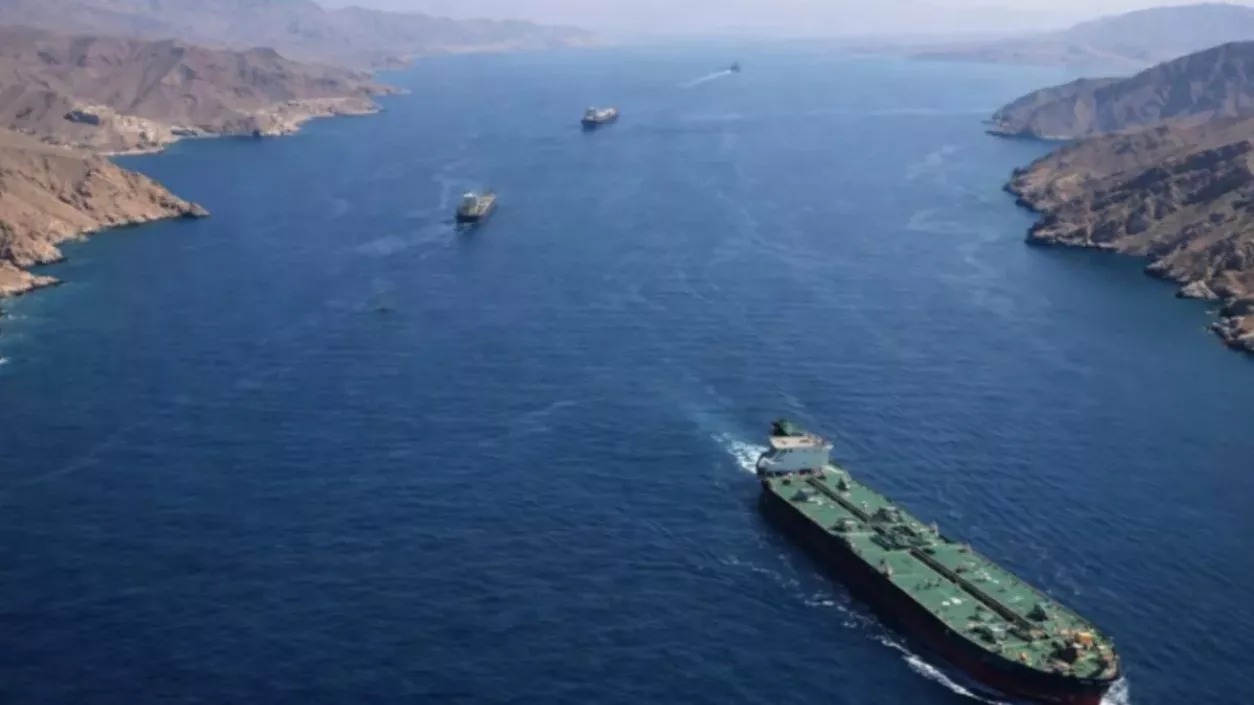
Iran has approved a plan to impose tolls on ships passing through the strategically vital Strait of Hormuz, a move that could significantly impact global oil trade and maritime navigation. The proposal, cleared by Iran’s Parliamentary Security Commission, is aimed at strengthening Tehran’s control over one of the world’s most critical shipping routes.
The plan outlines a framework that includes security arrangements, enhanced maritime safety measures, and financial regulations requiring vessels to pay tolls in Iranian currency. It also proposes a ban on ships from the United States and Israel, further escalating tensions in the region amid the ongoing conflict involving Iran and a US-Israel coalition.
The decision has triggered sharp international reactions, with critics warning that it could set a dangerous precedent for global waterways. Concerns have been raised that such unilateral measures could undermine established norms of free navigation in international waters and disrupt the flow of energy supplies, particularly as a significant portion of the world’s crude oil passes through the strait.
Global powers have responded with calls for restraint and adherence to international maritime principles. The G7 foreign ministers have urged the immediate restoration of safe and toll-free navigation, emphasizing that civilian and commercial shipping routes must remain accessible even during conflict. They also condemned attacks on civilians and diplomatic facilities, highlighting the broader risks posed by escalating hostilities.
Meanwhile, the United States has indicated plans to counter Iran’s move, with officials suggesting efforts to ensure continued freedom of navigation through potential military or multinational escorts. The development comes as tensions in the region intensify, raising fears of prolonged disruption to global trade and energy markets.

.webp)







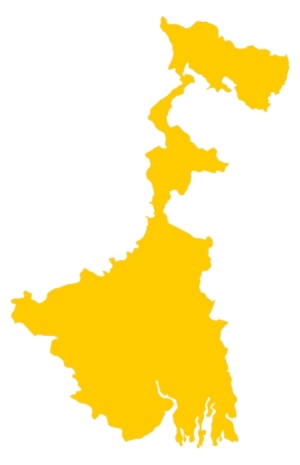 West Bengal
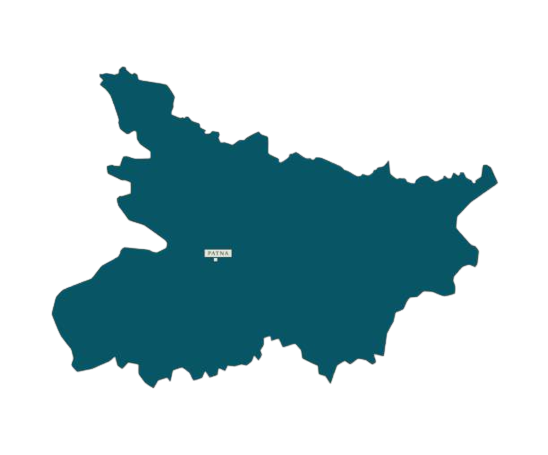 Bihar
Bihar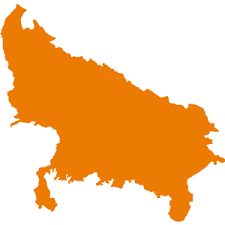 Uttar Pradesh
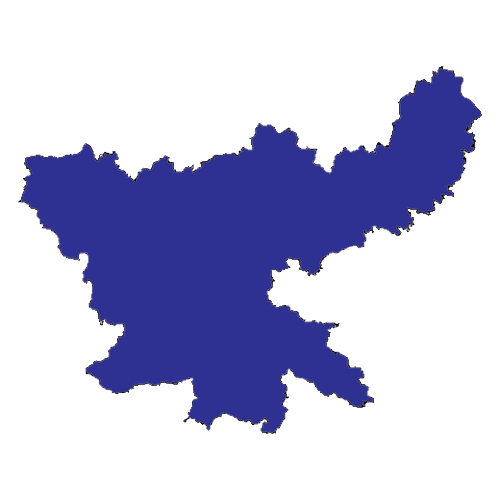 Jharkhand