.gif)

Download Mobile App 






.webp)
The death toll from Iran’s nationwide anti-government protests may have climbed to around 2,000, according to an Iranian official quoted in reports, marking a sharp escalation in the country’s worst unrest in years. The government has not released any official nationwide casualty figures so far.
For the first time in days, authorities eased some communication restrictions on Tuesday, allowing limited international phone calls. Iranians who managed to speak to relatives abroad described heavy security deployment, damaged public infrastructure and widespread fear, while internet and text messaging services largely remain suspended.
Witness accounts pointed to burned government buildings, smashed cash machines and deserted streets in parts of Tehran and other cities, highlighting the scale of disruption. Despite the crackdown, protesters, particularly younger Iranians, were said to be discussing ways to continue demonstrations amid growing uncertainty.
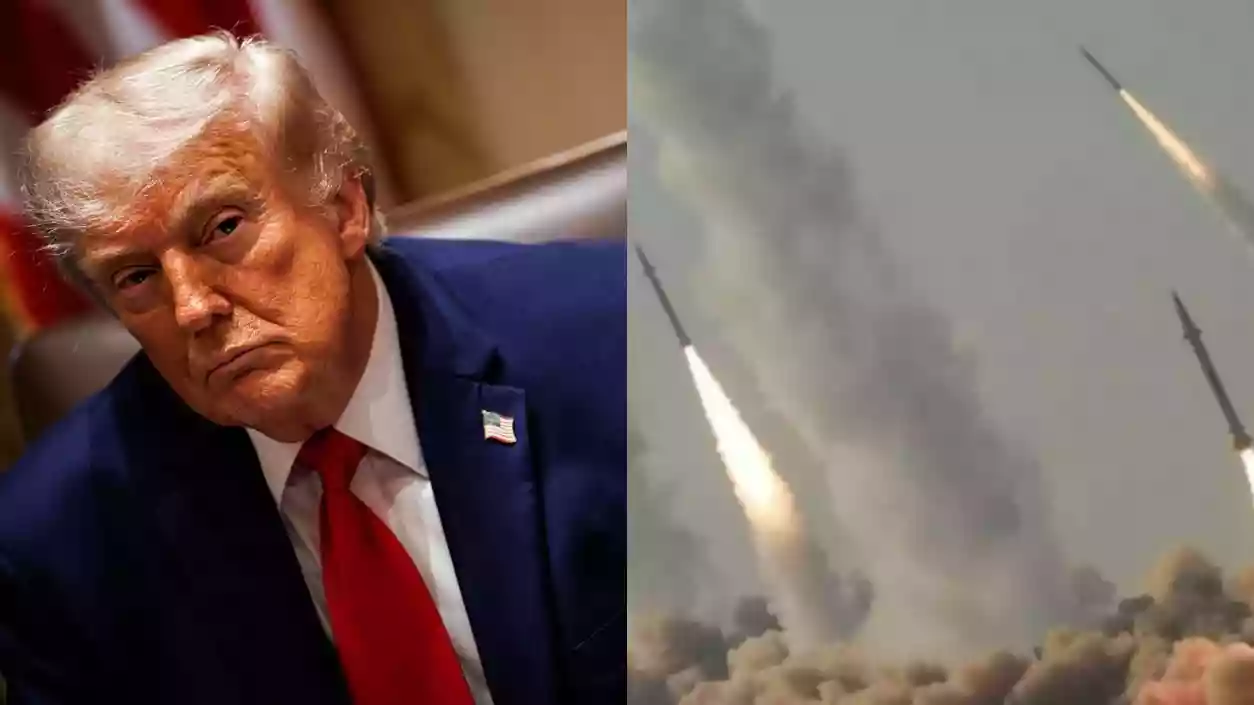
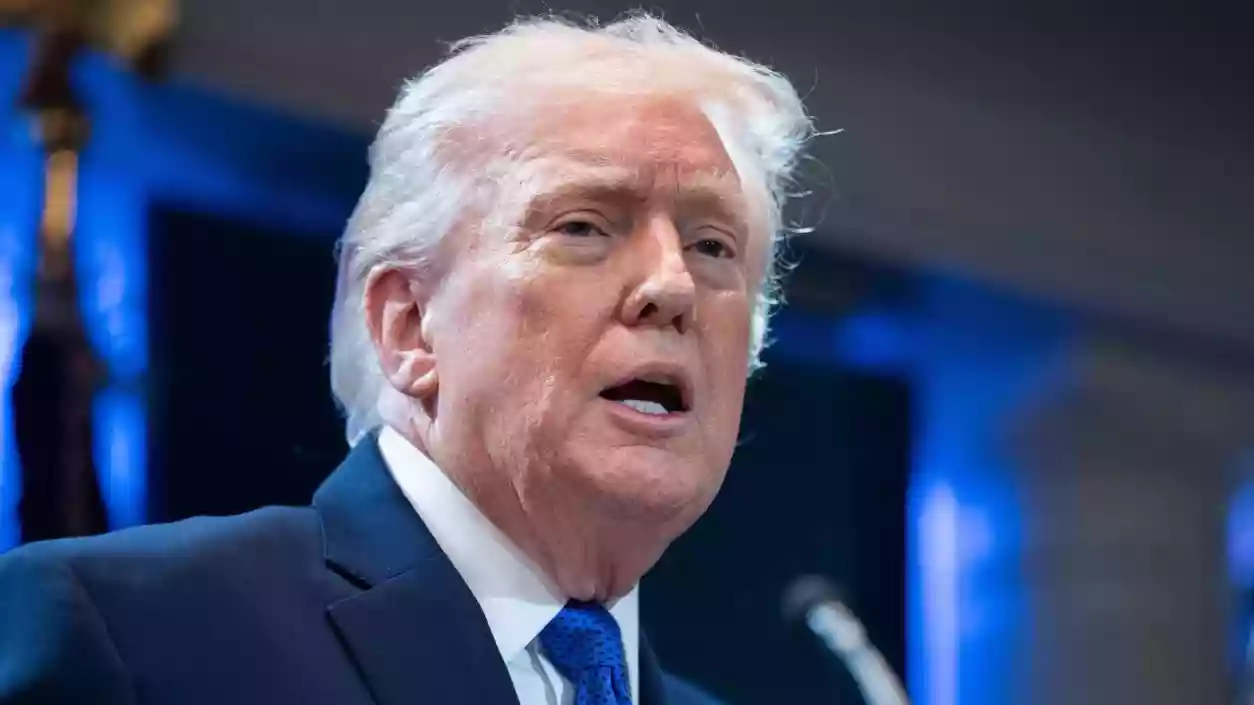
Tensions have been further heightened by remarks from US President Donald Trump, who said military options could be considered to defend peaceful protesters and announced 25% tariffs on countries doing business with Tehran. These statements have fuelled anxiety inside Iran over possible foreign intervention and its consequences.
International concern has also mounted, with human rights groups warning of hundreds of deaths, thousands of arrests and the possible use of expedited trials. Iranian authorities, meanwhile, have blamed “terrorist groups” and foreign interference for the violence, insisting the state will restore order.






.webp)

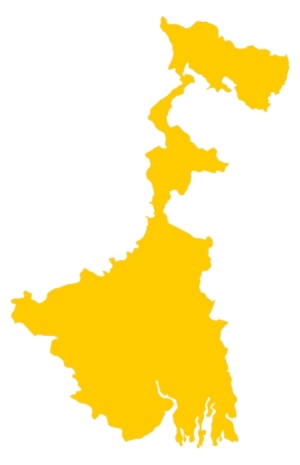 West Bengal
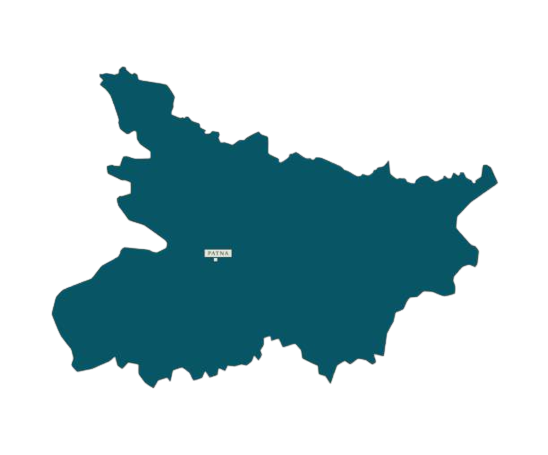 Bihar
Bihar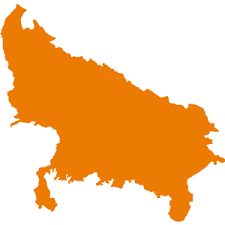 Uttar Pradesh
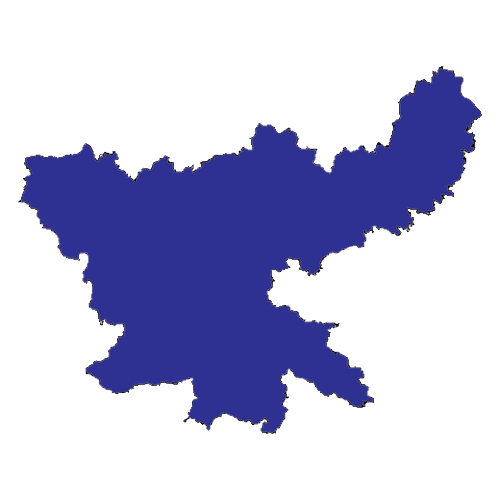 Jharkhand