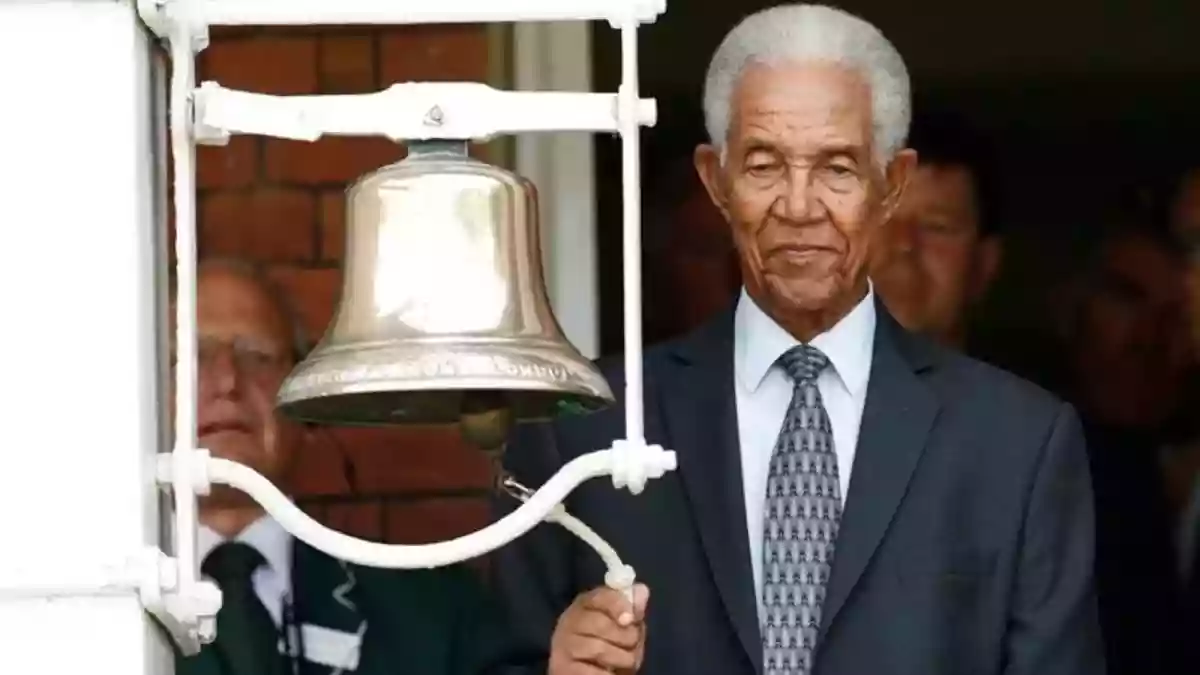
West Indies cricket legend Gary Sobers passes away; was first to smash 6 sixes in 6 balls
.gif)

Download Mobile App 






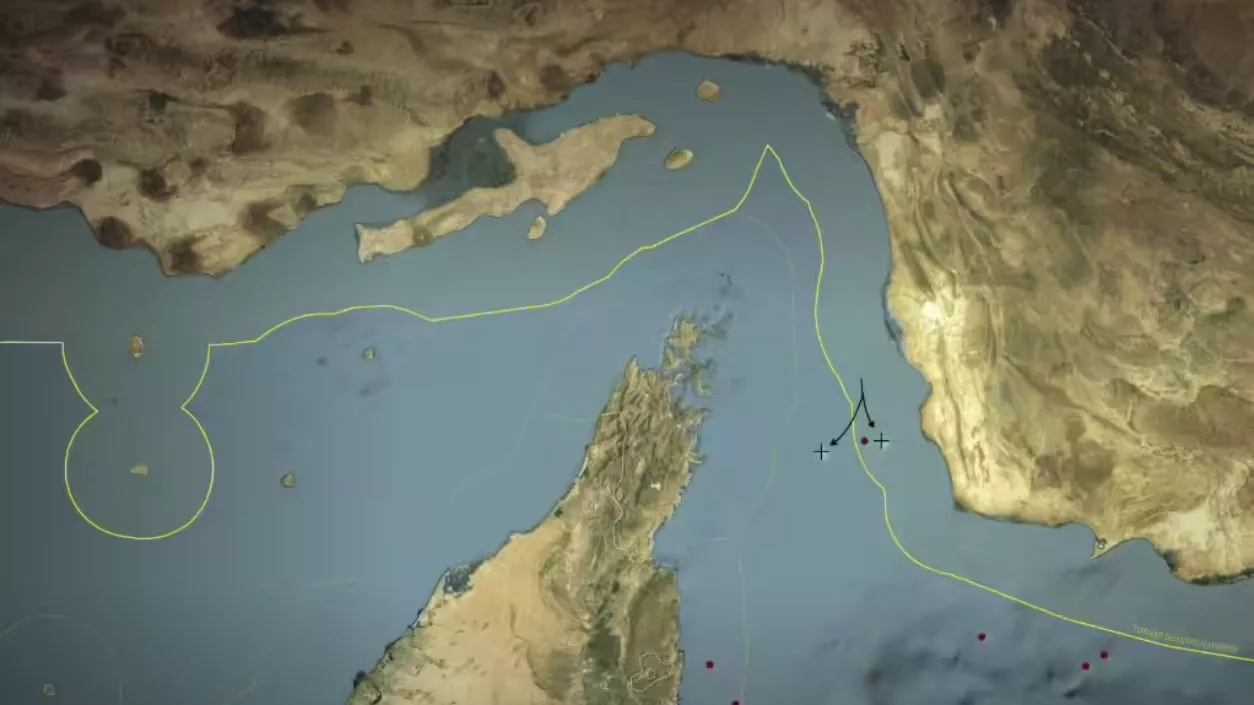
Iran’s Revolutionary Guards on Wednesday claimed “complete control” of the Strait of Hormuz, warning that vessels passing through the critical oil and gas corridor could face risks from missiles or stray drones amid escalating regional tensions. A Guards Navy official said the waterway was fully under the Islamic Republic’s naval authority, signalling heightened stakes in one of the world’s most sensitive maritime chokepoints.
The assertion came as US President Donald Trump said the US Navy was prepared to escort oil tankers through the strait to guarantee safe passage. A senior US military commander went further, claiming significant destruction of Iranian naval assets and insisting there were no Iranian vessels currently operating in the Arabian Gulf, Strait of Hormuz or Gulf of Oman.
The Strait of Hormuz links the Persian Gulf to the Arabian Sea and carries roughly one-fifth of global oil shipments and a substantial share of liquefied natural gas exports. Major energy producers in the Gulf depend on this narrow passage for overseas trade, making any threat to navigation a matter of global economic concern. Even verbal warnings have historically triggered volatility in oil markets and financial systems.
At its narrowest point, the strait is about 39 kilometres wide, with tightly regulated shipping lanes vulnerable to disruption from mines, missiles or naval blockades. Iran controls the northern coastline, giving it strategic leverage during periods of confrontation, while the United States and its allies prioritise freedom of navigation operations to keep the corridor open.
The sharp exchange of claims underscores the widening confrontation between Washington and Tehran, as military activity intensifies across the region. The Revolutionary Guards also said they had launched a new wave of missile and drone operations targeting US and Israeli-linked sites, signalling that the maritime standoff is unfolding alongside a broader and deepening conflict.




.webp)
.webp)
.webp)

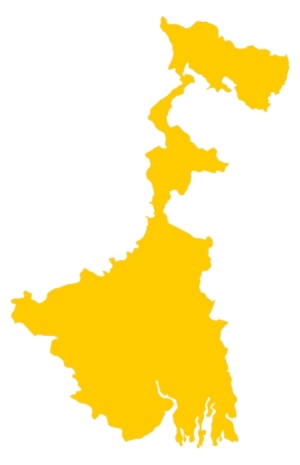 West Bengal
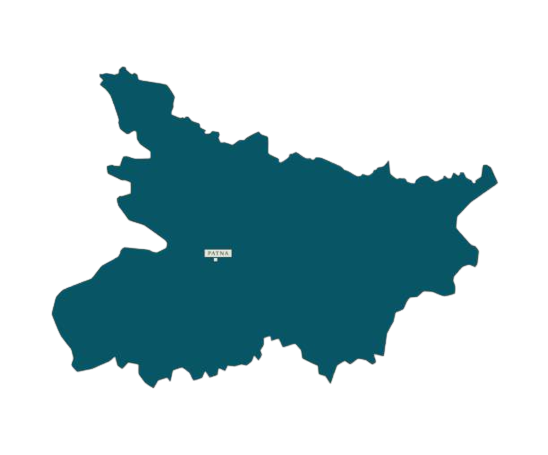 Bihar
Bihar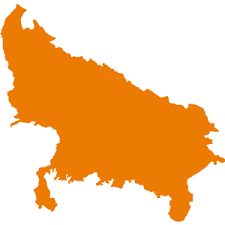 Uttar Pradesh
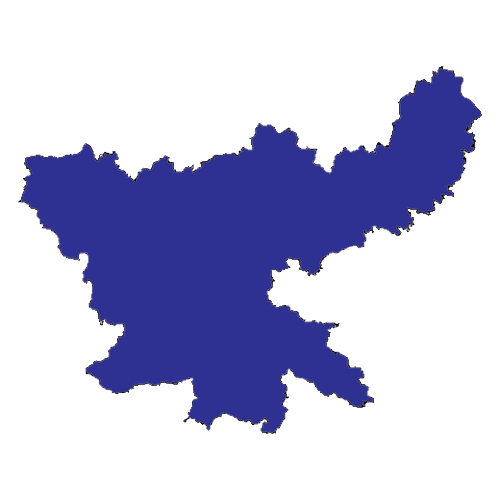 Jharkhand