.webp)
"Kolkata to get Water Metro connectivity," says Chief Minister Suvendu Adhikari
.gif)

Download Mobile App 






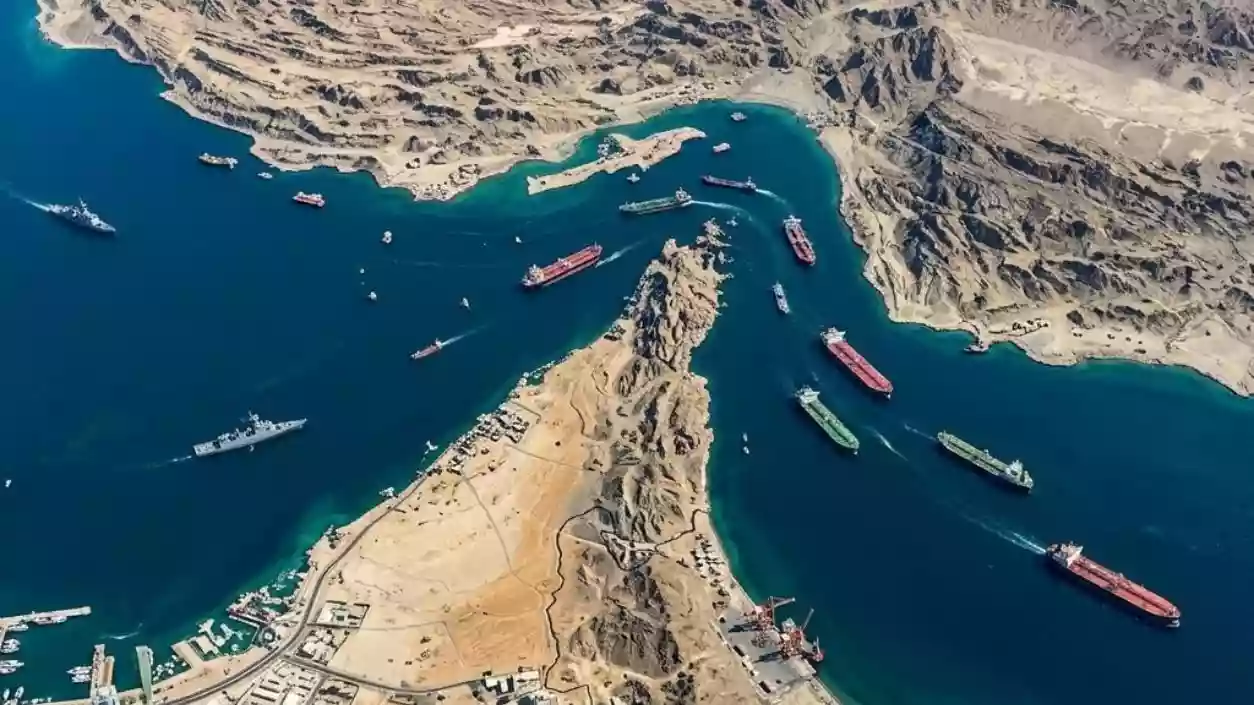
Iran is reportedly facing major operational difficulties in reopening the Strait of Hormuz after it lost track of several sea mines it had deployed in the strategic waterway during recent tensions. According to US officials cited in reports, poor mapping and drifting of devices have made full clearance of the area extremely difficult, raising concerns over maritime safety and sustained disruption to global shipping routes.
The situation has become a central issue in ongoing diplomatic discussions in Islamabad, where US and Iranian representatives are engaged in high-level talks linked to de-escalation efforts. Washington has pressed Tehran to quickly restore normal shipping access through the chokepoint, while Iran has indicated that any increase in maritime movement would be subject to what it described as “technical limitations,” suggesting constraints in its ability to guarantee safe passage.
The Strait of Hormuz remains one of the world’s most critical energy corridors, handling a significant share of global oil transit. Reports indicate that Iran had deployed mines using small boats during earlier escalations, but inconsistent recording of their placement and subsequent drifting of devices have made detection and removal highly challenging. This has significantly reduced tanker traffic and increased insurance and transportation costs in the region.
Military and maritime experts note that mine clearance operations are far more complex than deployment, requiring specialised equipment and time-intensive mapping. While advanced navies possess dedicated mine-sweeping capabilities, Iran’s limited technical capacity and lack of precise deployment records are said to be major obstacles in restoring safe navigation routes through the strait.
Until effective clearance or verified safe corridors are established, maritime movement through the Strait of Hormuz is expected to remain restricted. Authorities have already advised vessels to use alternative routes, further highlighting the ongoing risks in one of the world’s most sensitive maritime chokepoints amid continued geopolitical tensions.









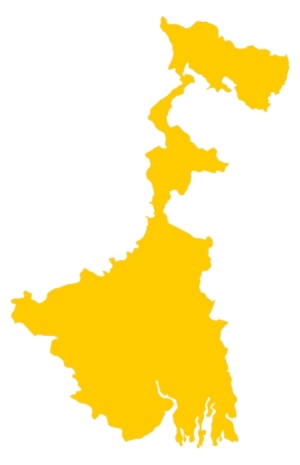 West Bengal
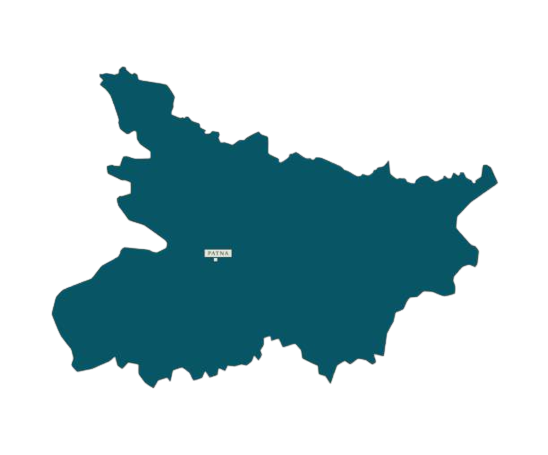 Bihar
Bihar Uttar Pradesh
 Jharkhand