.gif)

Download Mobile App 






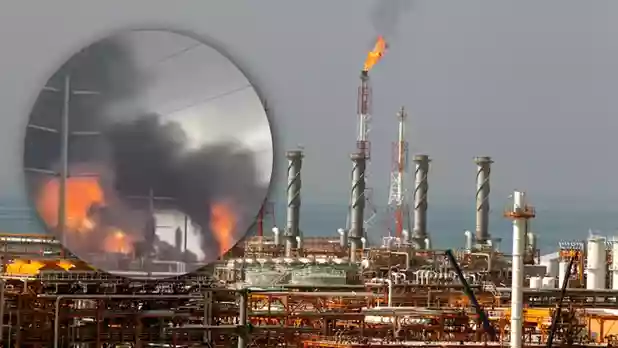
Israel targeted Iran’s South Pars gas field on Wednesday. This marks a significant escalation, being the first time that Israel, reportedly with American backing, has directly struck Iran's natural gas infrastructure. The attack follows previous military actions against Iran’s primary oil terminal at Kharg Island, signaling a calculated strategy to dismantle the Islamic Republic’s economic foundations. By shifting focus from oil to gas, the offensive aims to cripple Iran's domestic energy production and export capabilities simultaneously.
In response to the strike, an infuriated Tehran has issued a direct and chilling warning to its neighbors. Iran has threatened to target the oil and gas installations of Saudi Arabia, Qatar, and the United Arab Emirates if further provocations occur. This "scorched earth" rhetoric has sent shockwaves through global energy markets, as any disruption to these major Gulf hubs could lead to a catastrophic spike in world fuel prices. The regional stability, already fragile, now hangs by a thread as the threat of a full-scale regional energy war looms larger than ever.
The South Pars field is not merely an industrial site; it is the undisputed backbone of the Iranian economy. It holds a massive portion of the world's natural gas reserves and powers the majority of Iran's industrial and residential sectors. Experts suggest that by striking such a vital asset, Israel is testing Iran's "red lines." However, the geopolitical fallout is already manifesting, with Qatar—which shares the massive gas field with Iran—issuing a rare and sharp criticism of the Israeli strikes, fearing for the safety of its own shared maritime assets and regional security.










 West Bengal
 Bihar
Bihar Uttar Pradesh
 Jharkhand