.webp)
Kolkata Metro services from 4 AM on June 21 for Yoga Day and NEET UG exams
.gif)

Download Mobile App 






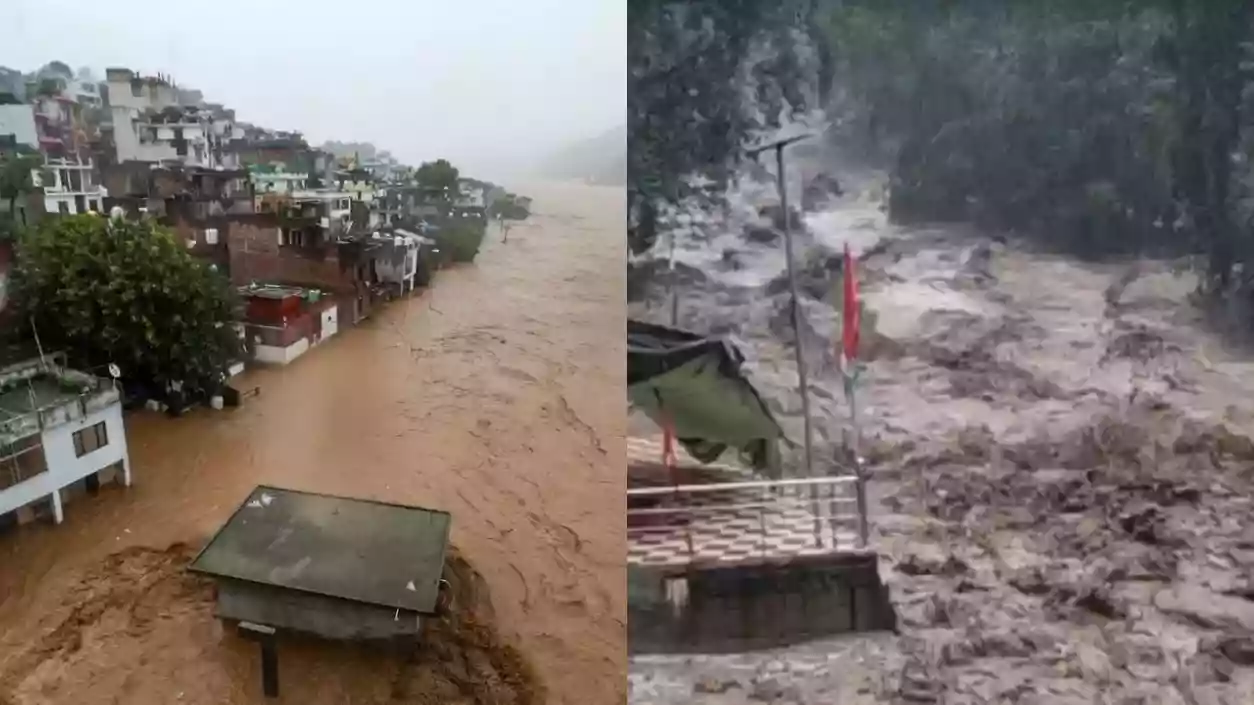
Jammu experienced 380 mm of rainfall in 24 hours, the highest since records began in 1910. The previous record of 270.4 mm was set on September 25, 1988, while the monthly average for August is 403.1 mm. This extreme rainfall led to widespread flooding in low-lying areas and caused significant damage to infrastructure across the region.
Thousands of people were evacuated from flood-affected areas, particularly in districts like Doda. Torrential rains continued for the fourth consecutive day, prompting deployment of the Indian Army and State Disaster Response Force for rescue and relief operations. Several roads were blocked due to landslides, leaving people stranded in multiple locations across Jammu.
A landslide on the Vaishno Devi route in Reasi district on Tuesday resulted in 32 deaths and at least 20 injuries. Stones, boulders, and debris fell on pilgrims around 3 pm, forcing the suspension of the pilgrimage temporarily. Officials continued rescue operations while assessing the situation.
Multiple city areas including Janipur, Roop Nagar, Talab Tilloo, Jewel Chowk, New Plot, and Sanjay Nagar faced severe waterlogging. Homes were flooded, walls collapsed, and nearly a dozen vehicles were carried away by floodwaters. The Sahar Khad stream destroyed a key bridge on the Jammu–Pathankot highway, forcing traffic diversions.
Chief Minister Omar Abdullah placed all departments on high alert and advised people to remain cautious. “Control rooms are active, and the CM Office is in touch with departments. Priority is being given to drainage in affected areas and restoration of water supply and power. People are advised to remain cautious,” the chief minister’s office said. Moderate to heavy rain, cloudbursts, flash floods, and landslides are expected to continue until August 27.





-1781775840290_v.webp)

.webp)

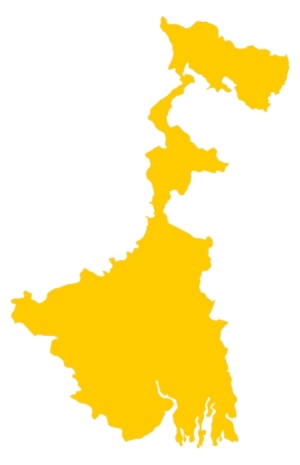 West Bengal
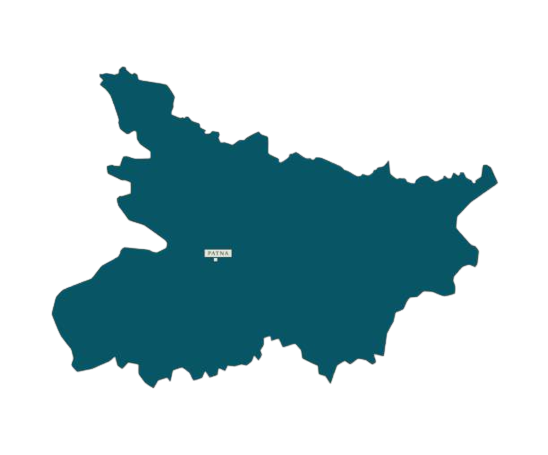 Bihar
Bihar Uttar Pradesh
 Jharkhand