.gif)

Download Mobile App 






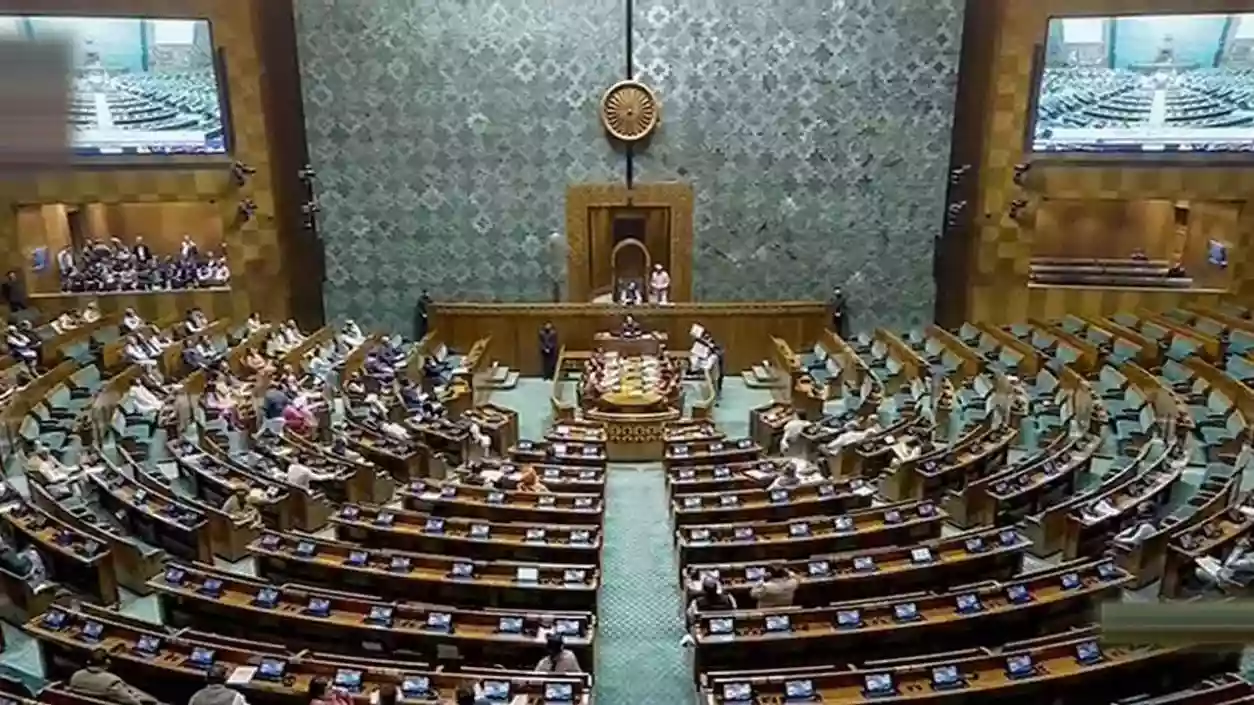
The government has introduced the Jan Vishwas (Amendment of Provisions) Bill, 2026 in the Lok Sabha, proposing sweeping legal reforms aimed at decriminalising minor offences while imposing stricter financial penalties for serious violations such as illegal land encroachment. The bill seeks to strike a balance between easing regulatory burdens and strengthening enforcement where necessary.
A key highlight of the proposed amendments is the stringent penalty framework for unauthorised occupation of government land. Offenders may be required to pay up to 40 times the licence fee for the first month of illegal occupation, with an additional 10 percent increase for every subsequent month. In certain cases, violations involving public non-residential land may also attract imprisonment, fines based on land value, or both.
Overall, the bill proposes amendments to 784 provisions across 79 central laws administered by 23 ministries. Of these, 717 provisions are set to be decriminalised to promote ease of doing business, while 67 changes aim to improve ease of living. The reforms include removing imprisonment in several provisions, reducing jail terms in others, and converting many offences into monetary penalties.
The proposed changes span a wide range of sectors, including transport, food safety, electricity, housing, and urban governance. Measures include a grace period for expired driving licences, reduced jail terms for certain violations, restructuring of property tax systems, and increased penalties for civic offences such as public nuisance and unauthorised activities.
By replacing criminal penalties with financial consequences in many cases, the bill reflects a broader shift in governance strategy—focusing on compliance and deterrence without overburdening the judicial system. At the same time, the government has signalled that violations involving public assets and safety will attract stricter punitive measures.











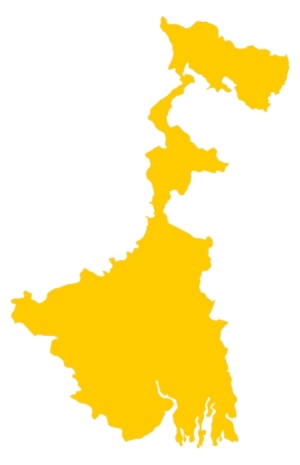 West Bengal
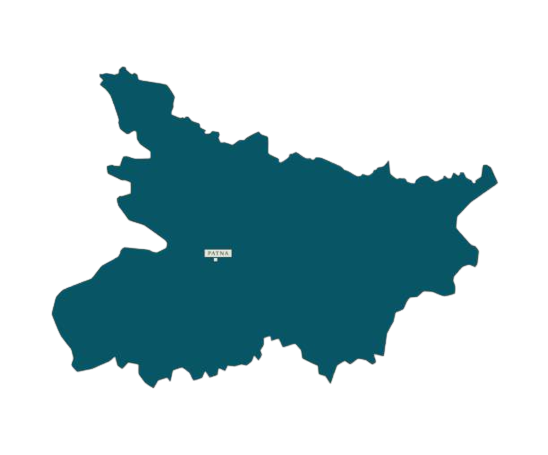 Bihar
Bihar Uttar Pradesh
 Jharkhand