
Abhishek slaps 10-crore defamation notice on Madan Mitra over 'murderer' jibe
.gif)

Download Mobile App 







In a dramatic political shift, Japanese Prime Minister Shigeru Ishiba is reportedly set to resign by the end of September 2025 to prevent a deepening rift within the ruling Liberal Democratic Party (LDP), following a bruising defeat in the recent upper house elections. The decision today comes less than a year into his tenure, as the LDP struggles to maintain unity amid rising internal dissent and challenges from emerging political forces. Ishiba’s exit aims to avoid a full-blown succession battle that could fracture the party, especially after losing its upper house majority, a setback that has left the nation’s political landscape in flux.
The move has sparked intense speculation about Japan’s future leadership and the LDP’s ability to regroup.The resignation stems from the LDP’s significant loss in the July 20 upper house elections, where the coalition with Komeito secured only 47 seats, falling short of the 50 needed for a majority in the 248-member chamber. This defeat, coupled with a prior loss in the lower house last October, has weakened Ishiba’s position, with party factions blaming his moderate stance for alienating the conservative base.
Reports suggests Ishiba delayed his decision until after securing a trade deal with the U.S. on August 1, avoiding instability during negotiations. His departure, though unconfirmed by an official statement as of today, is seen as a sacrificial move to stabilize the LDP ahead of critical legislative sessions.Ishiba, who took office in October 2024, has faced mounting pressure from within the LDP, where hardliners and younger members have clashed over his leadership style and policies.
The rise of the far-right Sanseito party, which gained seats by capitalizing on anti-immigrant sentiment and economic discontent, has further eroded the LDP’s traditional support. Some party insiders argue Ishiba’s resignation could pave the way for a more assertive leader, though others warn it might deepen divisions if the succession process turns contentious. The 68-year-old PM’s willingness to step aside reflects a pragmatic, if painful, acknowledgment of the party’s current vulnerabilities.
The political fallout has already begun, with opposition parties sensing an opportunity to exploit the LDP’s disarray. The timing of Ishiba’s potential exit, post-trade deal with the U.S., suggests a calculated effort to protect Japan’s economic interests before handing over the reins. However, the lack of a clear successor has fueled uncertainty, with names like former Defense Minister Taro Kono and LDP Secretary-General Hiroshi Moriyama circulating as potential contenders.
For the Japanese public, the news brings a mix of frustration and hope. Many have grown weary of political instability, with Ishiba’s short tenure marked by economic challenges like rising inflation and external pressures from U.S. tariffs. His resignation, if confirmed, could be seen as a selfless act to prioritize party unity over personal ambition, but it also risks leaving a leadership vacuum at a critical time. Citizens in Tokyo and beyond are watching closely, eager for a government that can address their pressing concerns, from economic recovery to national security.
As the LDP prepares for a leadership transition, the focus will shift to how the party navigates this crisis. Ishiba’s exit, if it materializes, could either unify the LDP under a strong new leader or trigger the very split he seeks to avoid. The coming weeks will be pivotal, with the party needing to balance internal factions and external challenges. For now, Japan stands at a crossroads, with the resignation rumor casting a shadow over its political future, leaving both supporters and critics awaiting an official announcement.






.webp)

.webp)


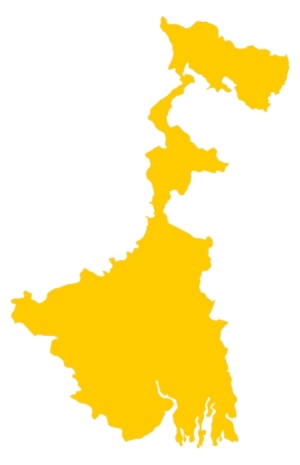 West Bengal
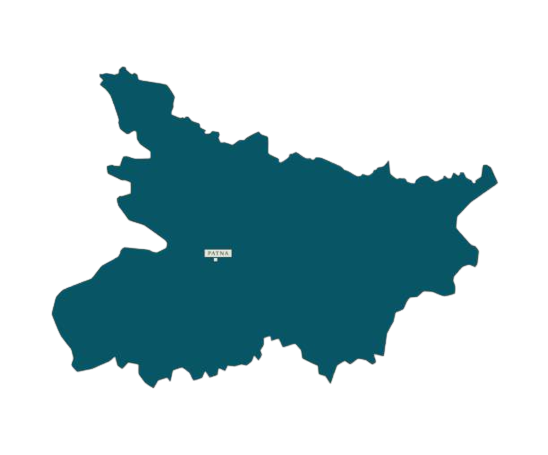 Bihar
Bihar Uttar Pradesh
 Jharkhand