.gif)

Download Mobile App 






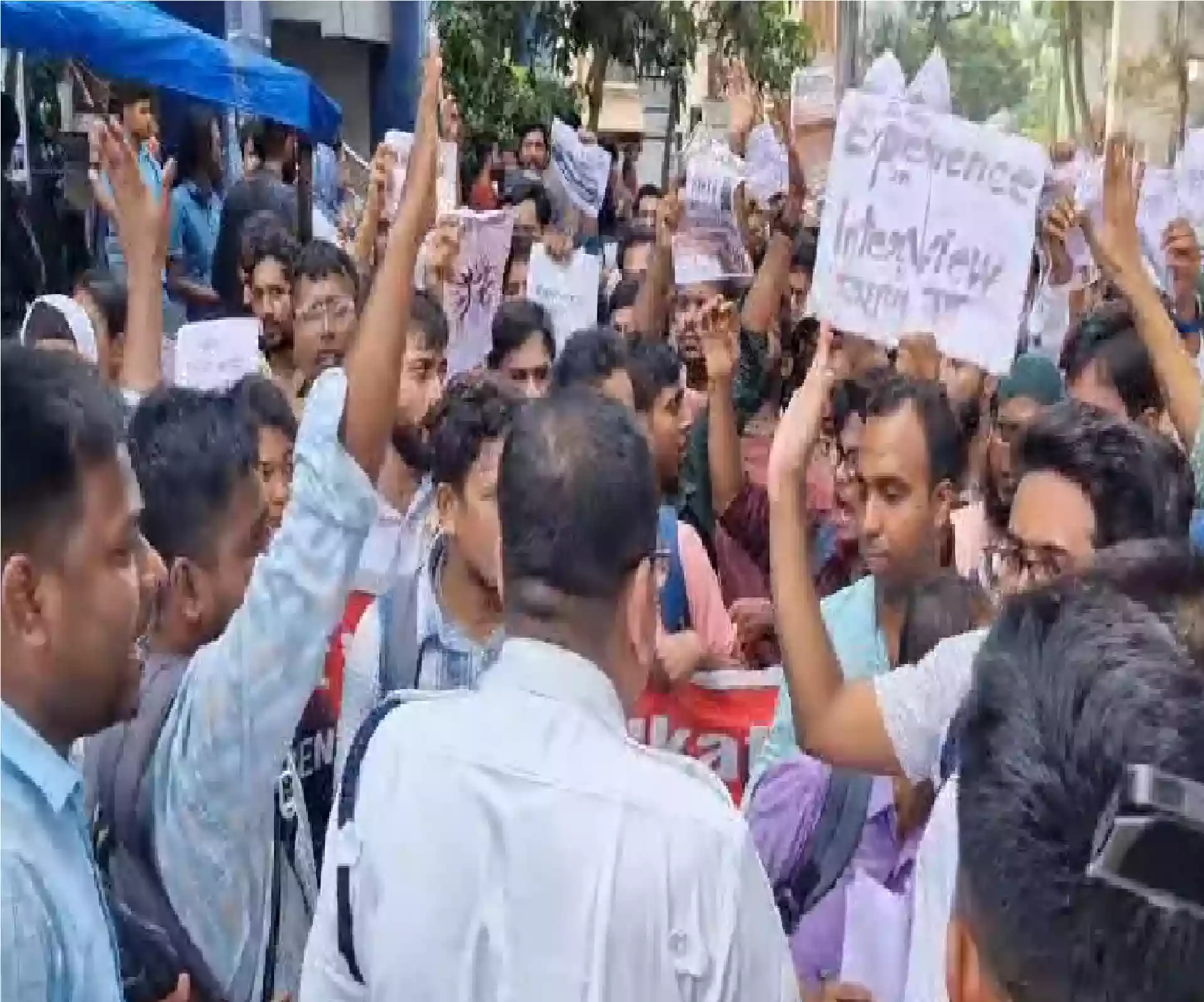
In the sweltering heat in Kolkata today, a vibrant procession snaked through the bustling streets from Sealdah metro station to Karunamoyee West Bengal SSC Bhawan, where more than hundreds of voices united in a chorus of frustration and hope. Fresh candidates, many still buzzing from their recent exams, linked arms with long-suffering jobless teachers in a rally that pulsed with raw energy, culminating at the West Bengal School Service Commission (SSC) building. This wasn't just a protest; it was a bold statement from a generation squeezed by systemic delays and a recruitment scam that has haunted the education sector since 2016.
The demonstrators, waving placards and chanting slogans like "Justice for All, Jobs for None No More," demanded an immediate hike in vacant teaching positions—currently pegged at a frustratingly low number—to accommodate both the newly tested aspirants and those left in limbo by court-mandated cancellations. As police lines formed at the gates, the air thickened with tension, but the crowd's resolve only grew, turning the SSC headquarters into ground zero for a fight that's as much about fairness as it is about futures.The roots of this uproar trace back to a massive teacher recruitment drive between 2016 and 2018, marred by one of India's most notorious scams.
Over 25,000 appointments were annulled by the Supreme Court in 2024 after probes revealed widespread tampering—fake OMR sheets, manipulated scores, and even cash-for-jobs rackets that favored the connected over the qualified. Jobless teachers, many of whom had served for years before the axe fell, fought tooth and nail through strikes and hunger fasts, finally securing a court directive for re-exams in 2025. These veterans were awarded bonus marks—up to 10 points—for their prior service. But as fresh candidates poured in to compete, whispers of inequity turned to roars.
Today's rally amplified that cry, blending the weary determination of the unemployed with the fiery optimism of the young.Arriving by metro in coordinated waves, the protesters transformed their journey into a mobile manifesto. From Sealdah's crowded platforms, groups boarded trains decked in banners reading "Increase Vacancies Now!" and "No More Empty Seats for Empty Promises." Alighting at Karunamoyee, they formed human chains and marched the final stretch, dodging traffic and drawing curious glances from passersby. The route, lined with honking autos and street vendors, became a makeshift stage for impromptu speeches—stories of loans taken for coaching, families strained by uncertainty, and dreams deferred by bureaucratic inertia. By the time they reached the SSC gates, the rally had swelled, with sit-ins spilling onto the roads and a delegation pushing through to submit a formal deputation.
At the heart of their grievances lies a stark numbers game: the current tally of vacant posts hovers around 15,000, far short of the 40,000-plus aspirants who sat for the 2025 exams. The jobless contingent argues that without scaling up, the bonus marks for veterans—meant as compassionate compensation—effectively sidelines newcomers, breeding resentment in an already divided community.
Security was tight, with barricades and water cannons on standby, but no clashes erupted— a testament to the rally's disciplined vibe, organized under banners like the Qualified Teachers' Rights Platform. Supporters from civil society trickled in, turning the event into a broader critique of governance in West Bengal's education sector, where unemployment among graduates lingers at 20%. As dusk fell, the crowd vowed to camp out, signaling that this deputation is just the opening salvo in a protracted battle.Looking ahead, this convergence of old and new guards could reshape the discourse on public recruitment in India. For the fresh candidates, it's a baptism by protest; for the jobless, a renewed spark after years of attrition.





 West Bengal
 Bihar
Bihar Uttar Pradesh
 Jharkhand