
SPAIN wins FIFA World Cup 2026, beat Argentina 1-0 with goal in extra time
.gif)

Download Mobile App 






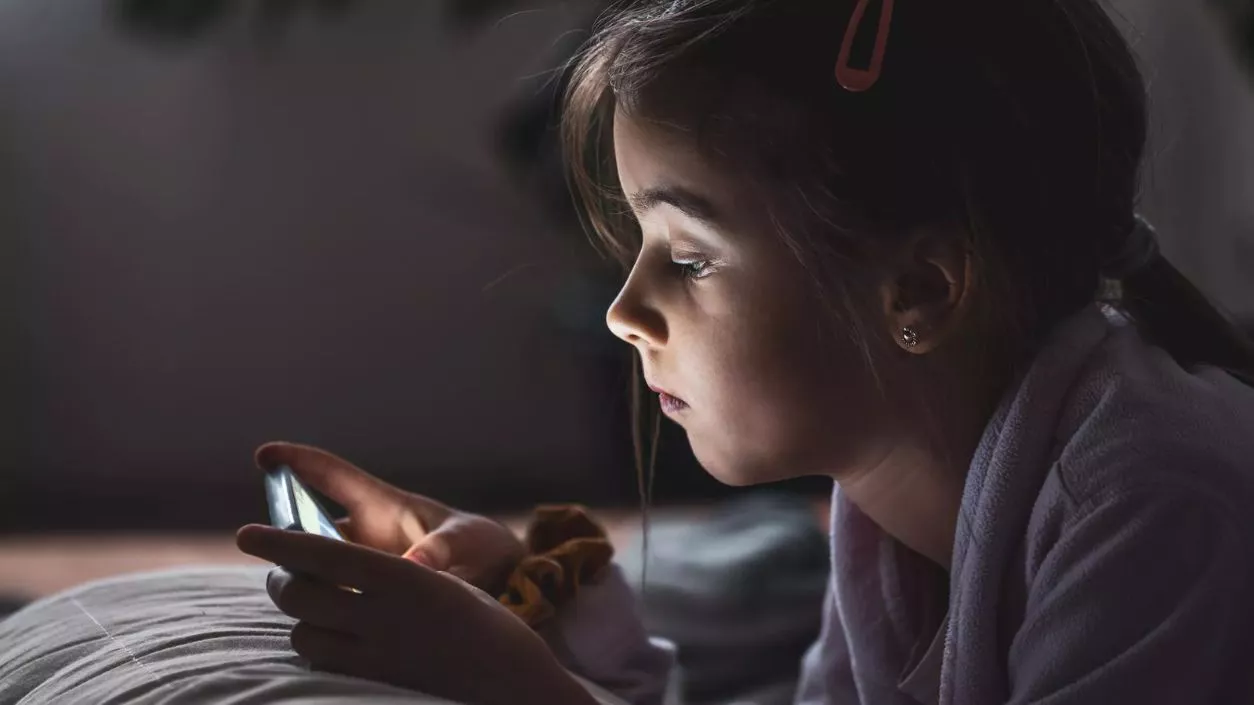
The Government of Karnataka has proposed a comprehensive digital well-being policy aimed at curbing rising screen addiction among students, introducing measures such as limiting recreational screen time to one hour per day and cutting off internet access after 7 pm. The draft policy marks one of the most structured attempts to regulate children’s digital habits by treating excessive screen use as a public health concern.
Developed in collaboration with the Department of Health and Family Welfare, the Karnataka State Mental Health Authority, and the National Institute of Mental Health and Neurosciences (NIMHANS), the policy targets students from Classes 9 to 12, along with parents and teachers. It proposes integrating digital well-being, online safety, privacy awareness, and cyberbullying prevention into the school curriculum as part of a broader behavioural and educational reform.
Among its key recommendations, the policy suggests introducing age-appropriate devices, including restricted ‘child plans’ and even audio-only phone options for younger users. It also proposes automatic data cut-offs after 7 pm, digital report cards to track usage, and school-level Digital Safety Committees involving educators, parents, students, and cybercrime officials to monitor and guide responsible digital behaviour.
The draft further calls for counselling mechanisms and early identification of warning signs such as anxiety, irritability, falling academic performance, and social withdrawal linked to excessive screen use. Schools may also organise “digital detox weeks” and “no-tech days” to encourage offline engagement, while families are encouraged to adopt “digital fasting” routines at home.
The policy has been released for public feedback, signalling that it is still under consultation. If implemented, it could significantly reshape how students interact with technology by promoting balanced digital habits, emotional well-being, and safer online engagement across educational institutions.





.webp)

 West Bengal
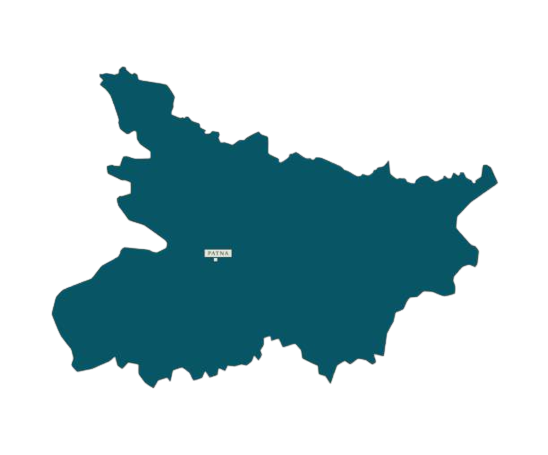 Bihar
Bihar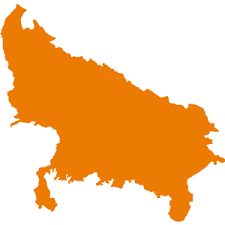 Uttar Pradesh
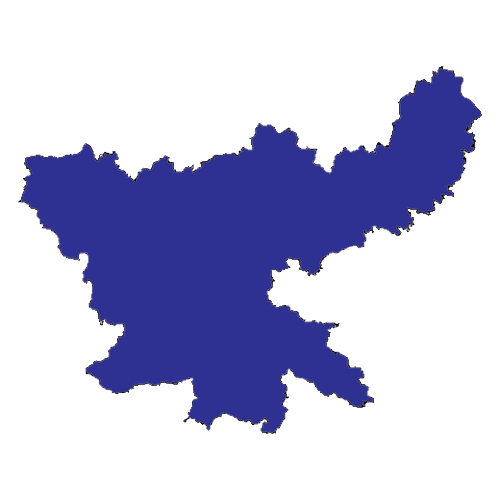 Jharkhand