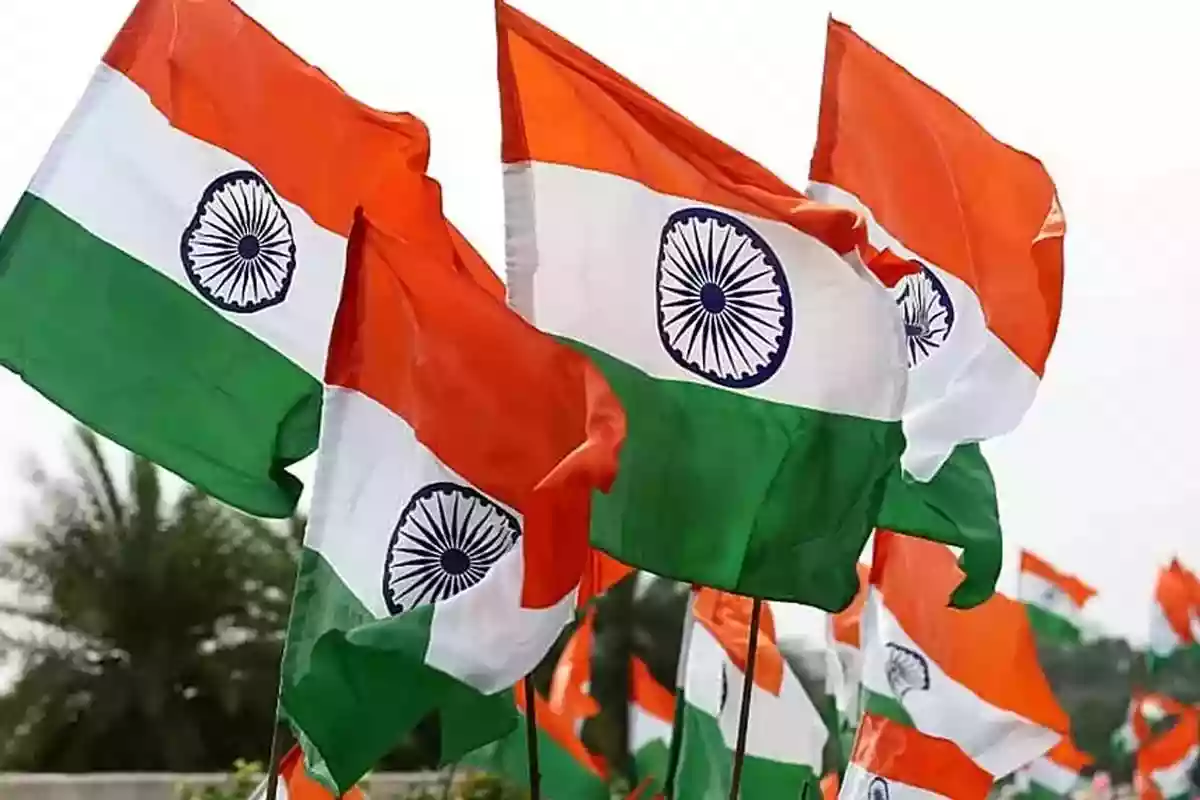
Massive Tiranga yatra from Sealdah and Golpark against Dharmtala violence; Traffic running slow
.gif)

Download Mobile App 






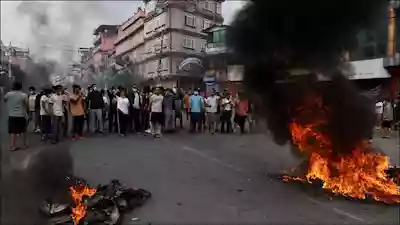
A wave of nationwide protests, led by frustrated Gen Z crowds, has rocked Nepal, with tensions escalating even after the government officially revoked a controversial social media ban. The demonstrations, which initially flared up over the ban, have now broadened to reflect a deep-seated frustration with government corruption and a lack of economic opportunities. On Tuesday, protestors defied an indefinite curfew, tore down barricades, and continued their call for accountability, prompting a strong response from security forces.
The protests turned deadly on Monday, resulting in the deaths of at least 19 people, while hundreds were injured. The violence erupted as protestors clashed with police, with some trying to storm the parliament building in Kathmandu. This triggered the police to use water cannons, tear gas, and live ammunition to disperse the crowds, a response that has been widely condemned. The home minister, Ramesh Lekhak, has already resigned over the moral responsibility for the deaths.
Despite the government's attempt to de-escalate the situation by lifting the social media ban, the protests continued with renewed intensity on Tuesday. Demonstrators gathered in front of the Parliament and other key locations in Kathmandu, chanting slogans against Prime Minister KP Sharma Oli. The youth-led movement is expressing its anger over the perceived institutionalized corruption and the government's brutal crackdown on what organizers describe as "peaceful and unarmed" demonstrators.
The anger of the protestors has led to direct attacks on the residences of top political leaders. On Tuesday, an angry mob attacked the house of former Prime Minister Prachanda. The residence of the Minister for Communication, Information and Broadcasting, Prithvi Subba Gurung, was also torched, as were the houses of Nepali Congress President Sher Bahadur Deuba and the recently resigned Home Minister Ramesh Lekhak. The widespread attacks highlight the public's deep-seated frustration with the entire political establishment.
Reports also emerged of gunshots being fired near the residence of Prime Minister Oli, resulting in one person being injured. The escalating violence has put the government under immense pressure, leading to ministerial resignations and spurring calls for the Prime Minister's own resignation. In a bid to address the crisis and restore calm, PM Oli has called for an all-party meeting to seek a resolution through dialogue.
The protests, initially sparked by the government's ban on dozens of social media platforms for not complying with new registration requirements, have become a broader revolution. The youth are using the demonstrations to voice their collective outrage against a system they believe has failed them, holding placards with slogans like "Youths against corruption." The current unrest underscores the deep rifts within Nepal's ruling party and poses a significant challenge to the Oli government's stability.



.webp)

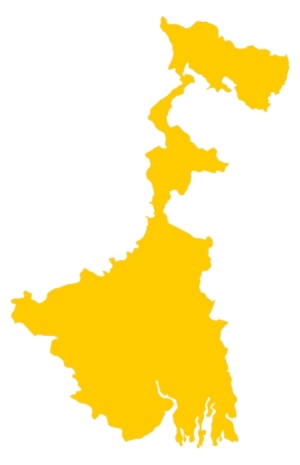 West Bengal
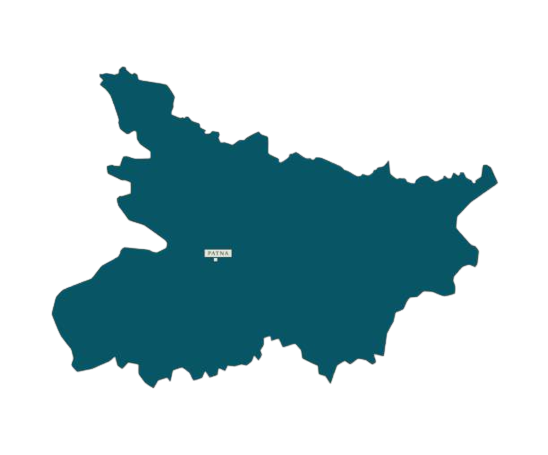 Bihar
Bihar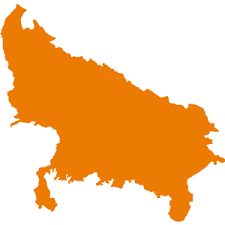 Uttar Pradesh
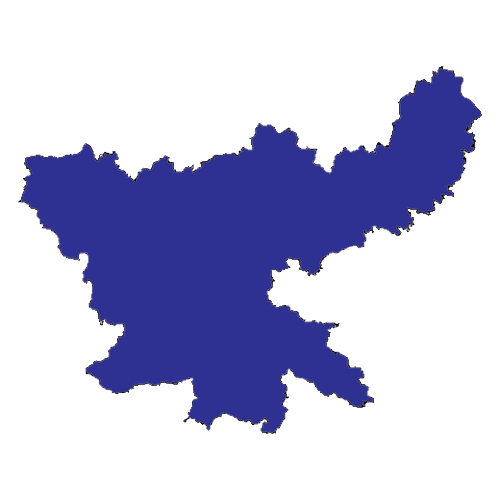 Jharkhand