.gif)

Download Mobile App 







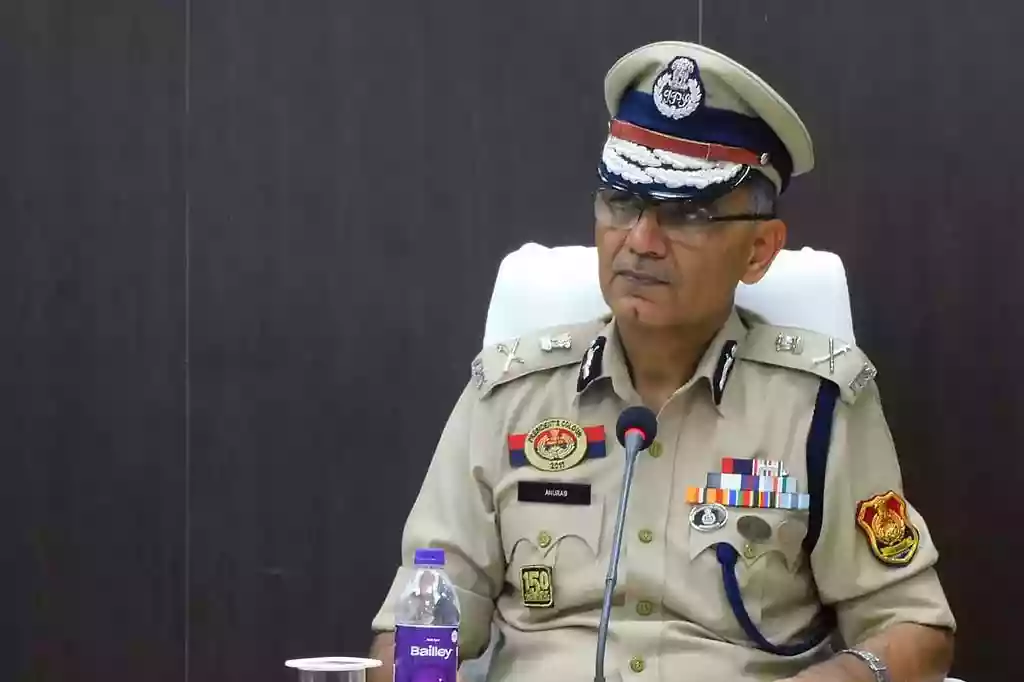
In the frost-kissed heights of Ladakh, where the jagged peaks of the Himalayas stand sentinel against unseen threats, a storm of controversy has erupted over renowned climate activist Sonam Wangchuk, with the region's top cop, DGP S.D. Singh Jamwal, dropping explosive allegations today claiming the hunger-striking leader of the statehood movement is under intense scrutiny for suspected links to Pakistan, including ties to a recently arrested Pakistani intelligence operative of Indian origin who allegedly funneled videos of Wangchuk's protests across the border to fuel unrest. Just days after Wangchuk's dramatic detention under the National Security Act (NSA) yesterday—whisking him from Leh to a Jodhpur jail following the September 24 clashes that left four dead and over 80 injured, including police—Jamwal's press conference in Leh painted a picture of sabotage, accusing the 59-year-old Magsaysay Award winner of hijacking legitimate dialogues on Sixth Schedule protections and statehood, while probes into his NGO's foreign funding under FCRA violations and suspicious overseas trips add layers of intrigue to a man once hailed as Ladakh's eco-conscience.
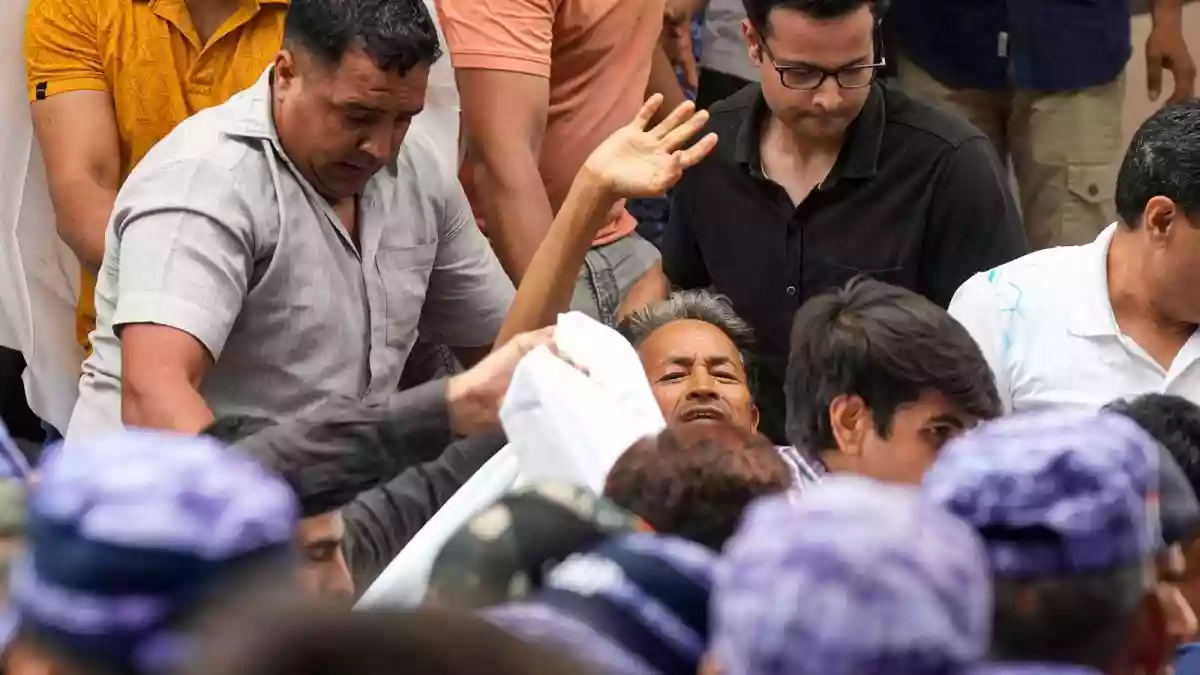
As curfews choke Leh's streets and mobile internet remains suspended, this revelation—tied to a PIO's arrest last month—has ignited a firestorm of debate: With the Centre's talks stalled and Wangchuk's supporters rallying in candlelit vigils from Delhi's Jantar Mantar to Kargil's alleys, these claims threaten to fracture the fragile trust between activists and authorities, turning a cry for local safeguards into a narrative of national security shadows.Wangchuk's odyssey from innovative educator—famed for his ice stupas combating water scarcity—to the face of Ladakh's autonomy agitation began in earnest last year, when he led a grueling foot march to Delhi, warning of an "explosive" situation brewing from unemployment spikes above 40% and the erosion of democratic institutions post-UT status. His 21-day hunger strike in March 2024, echoing Gandhi's salt satyagraha, galvanized thousands, but by September 2025, what started as peaceful sit-ins spiraled into chaos on Leh's streets: protesters hurling stones at security forces, vehicles ablaze, and live rounds fired in response, claiming lives including a young demonstrator and injuring dozens.
Jamwal, in a measured yet pointed address, zeroed in on Wangchuk as the "main instigator," alleging his provocative speeches derailed ongoing tripartite talks between the Leh Apex Body, Kargil Democratic Alliance, and the Centre, which had been inching toward constitutional guarantees for land and jobs. The DGP's narrative frames the violence not as organic outrage but orchestrated disruption, with Wangchuk's call-off of the fast—after two comrades collapsed—ironically sparking the deadliest flare-up in decades, leaving a city under siege and families mourning amid the acrid smoke of tear gas.The Pakistan angle, dropped like a grenade in Jamwal's briefing, stems from the August arrest of a shadowy PIO operating for Pakistani intelligence, who purportedly relayed footage of Wangchuk's rallies to handlers across the Line of Control, potentially amplifying dissent to destabilize the sensitive border zone. This operative, now in custody, is said to have embedded within protest circles, capturing unfiltered clips that could stoke narratives of Indian overreach in Gilgit-Baltistan echo chambers. Jamwal didn't mince words: "Wangchuk's agenda was his own," he asserted, linking it to probes into the Himalayan Institute of Alternatives Ladakh (HIAL),
Wangchuk's NGO, where the CBI is dissecting alleged FCRA breaches involving CSR inflows from PSUs despite his public critiques of corporate overreach in the region. Suspicious foreign jaunts—to Europe for climate forums and the US for TED-like talks—now fall under the microscope, with questions swirling about undisclosed funding that might have greased anti-Centre gears. For Wangchuk's wife, Gitanjali Angmo, who confirmed his transfer to Rajasthan's grim confines, these ties feel like a smear: "He's fought for Ladakh's soul, not sold it," she told reporters outside their Leh home, her voice cracking amid a swarm of supporters chanting for his release.Backlash has been swift and stratified, with J&K CM Omar Abdullah decrying the NSA invocation as "unfortunate" and "obvious" state heavy-handedness, while Ladakh MP Hanifa condemned the arrest if rooted in peaceful advocacy, warning it could alienate the very youth Wangchuk seeks to empower.
With 50 detentions post-clashes—including half-a-dozen suspected ringleaders—and Nepalese laborers under scrutiny for potential infiltration, Jamwal emphasized the law's inexorable march: "We won't let vested interests hijack Ladakh's aspirations." Yet, as two more aides are grilled, the question lingers—will these links hold up in court, or crumble under the weight of circumstantial whispers? This saga's undercurrents run deeper than one man's fate, exposing Ladakh's post-2019 fractures: the revocation of Article 370 stripped local vetoes on land and jobs, sparking fears of demographic swamping by outsiders amid glacial melts and mining booms that Wangchuk has long decried as ecological Armageddon. His warnings from 2024—a "volatile" powder keg sans safeguards—now eerily prophetic, the violence a bloody punctuation to stalled negotiations where the Centre offers hill councils but activists demand ironclad Sixth Schedule status.
The FCRA cancellation for his Students' Educational and Cultural Movement of Ladakh (SECMOL)—the NGO behind innovative schools turning dropouts into engineers—stings as payback, with Income Tax raids unearthing "irregularities" that critics call fishing expeditions. As Section 163 clamps gatherings in Kargil, the hush feels like the calm before another storm, with Wangchuk's empty Zoom slot at a presser symbolizing silenced voices.As the sun dips behind Nubra's dunes. For now, in Leh's shuttered bazaars, the wind carries a defiant whisper: the fight for Ladakh's future endures, unbowed by borders or bars.



 West Bengal
 Bihar
Bihar Uttar Pradesh
 Jharkhand