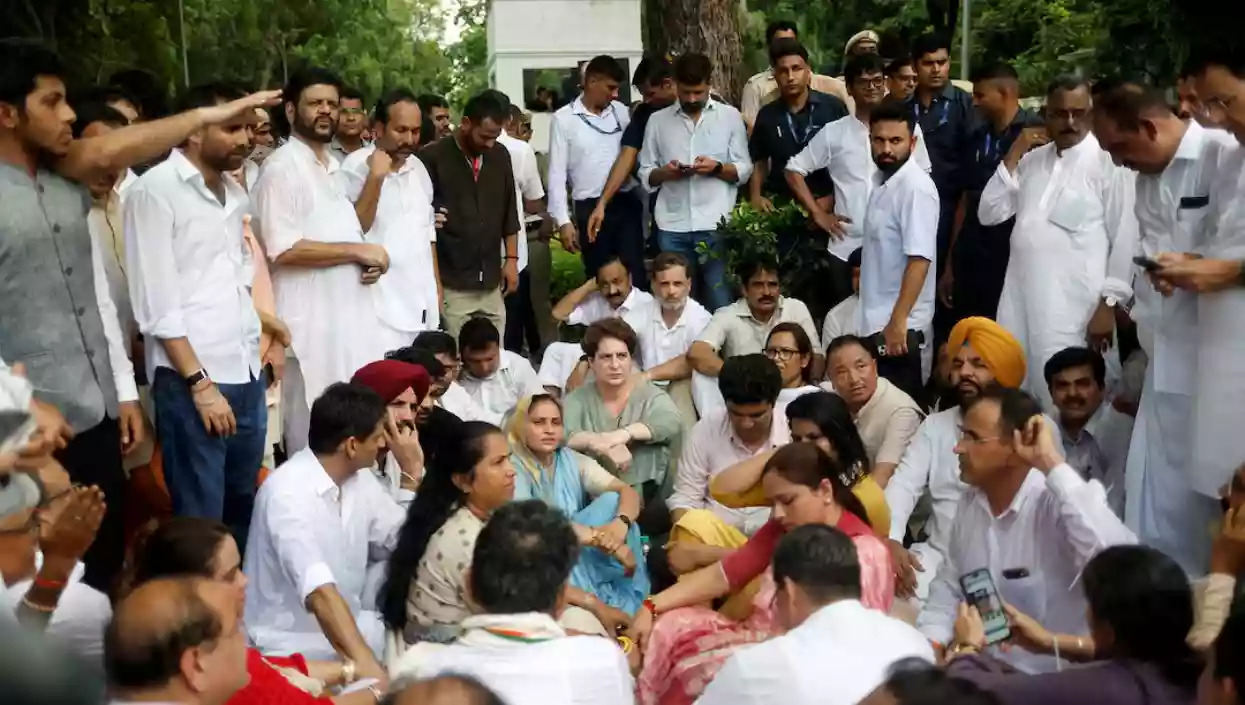
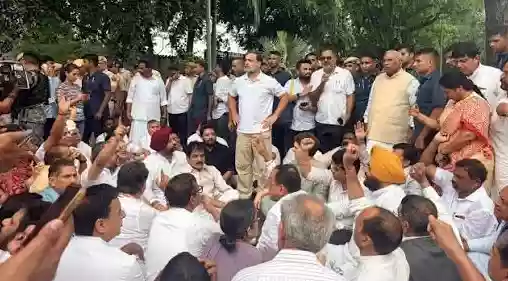
Police removes Rahul, Priyanka, other Congress leaders from dharna site near PM Modi's residence
.gif)

Download Mobile App 






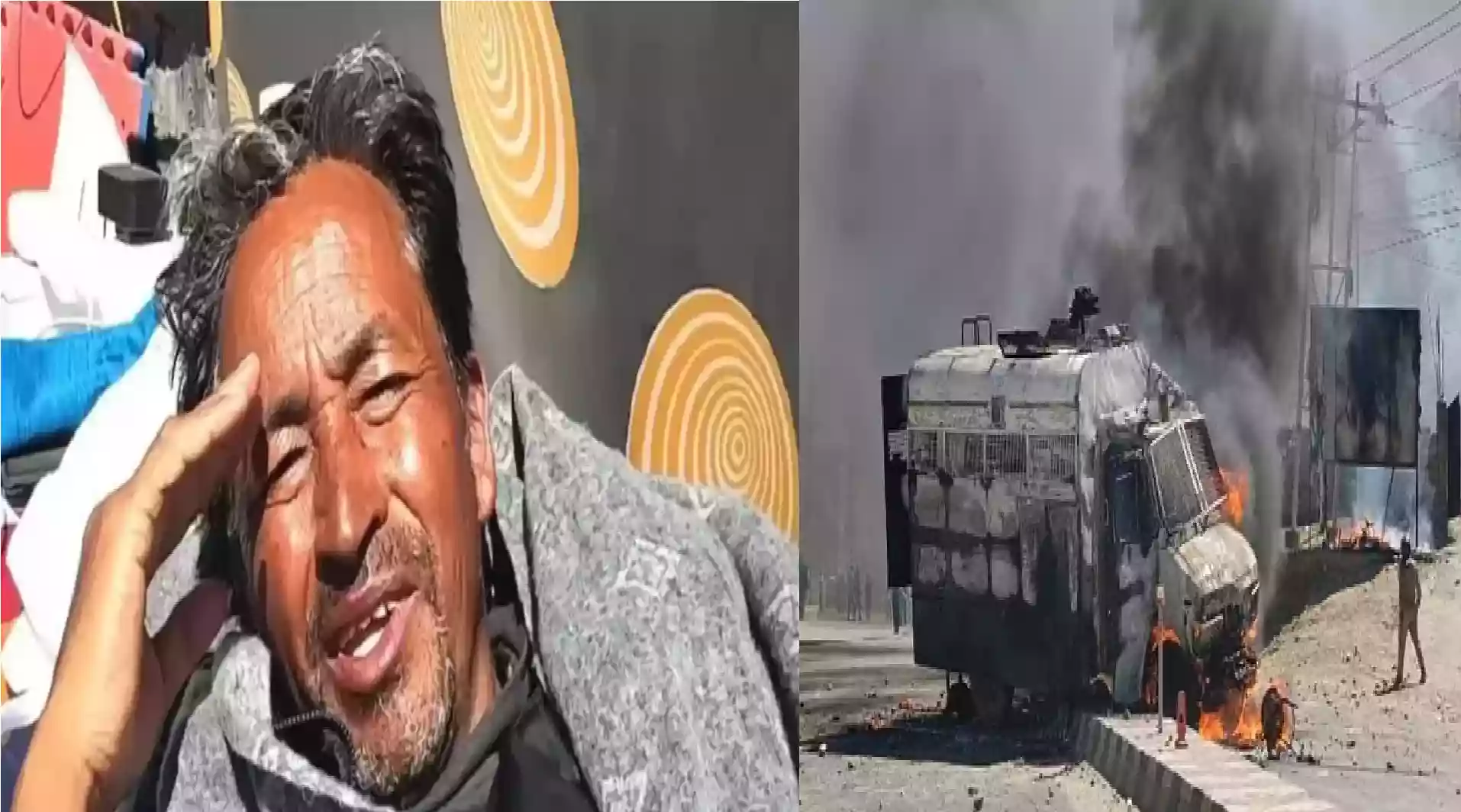
In the shadow of snow-capped Himalayan peaks, Ladakh—a once-serene Union Territory carved from Jammu and Kashmir in 2019—has erupted into a cauldron of unrest, with climate activist and educationist Sonam Wangchuk at its epicenter. Just a day after violent protests demanding statehood and Sixth Schedule protections claimed four lives and injured over 80, including 22 police personnel, the Central Bureau of Investigation (CBI) has intensified scrutiny on Wangchuk, raiding his institutions over alleged Foreign Contribution (Regulation) Act (FCRA) violations. The Ministry of Home Affairs (MHA) has squarely blamed the 59-year-old innovator—famed for inspiring Aamir Khan's character in 3 Idiots—for inciting the mob through "provocative statements" that invoked the Arab Spring and Nepal's youth-led uprisings.
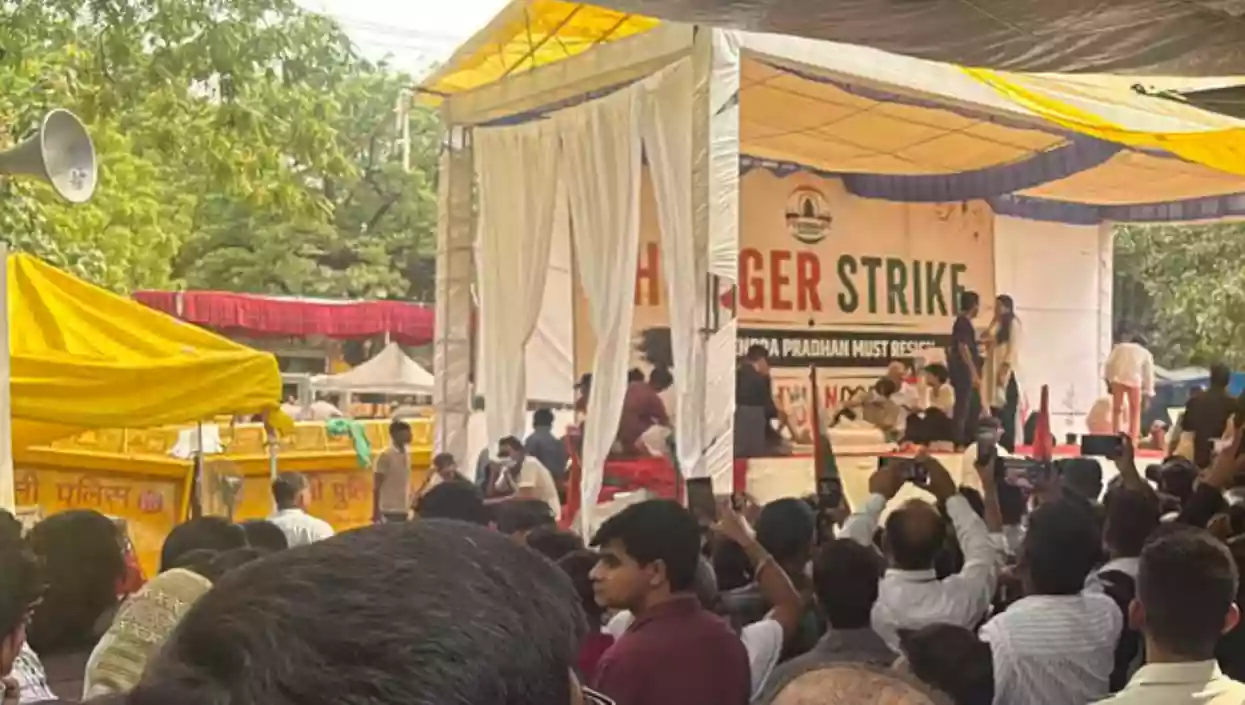
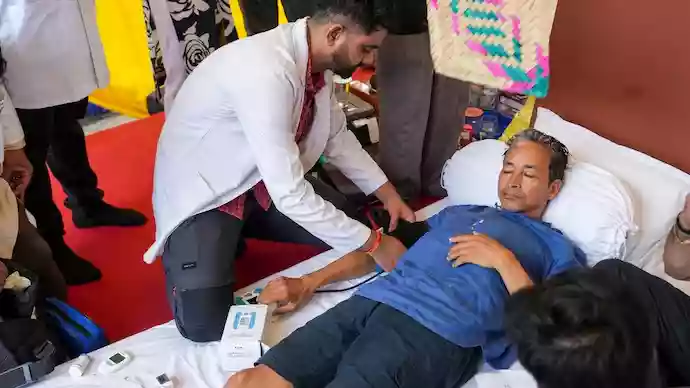
Wangchuk, who ended a grueling several days hunger strike yesterday amid the chaos, dismissed the accusations as political sabotage, insisting the violence stemmed from years of broken promises on jobs, autonomy, and environmental safeguards. As curfews clamp down on Leh and tensions simmer, this clash underscores a deeper rift: a generation's frustration boiling over against a government touting dialogue while wielding the long arm of the law.The spark ignited on September 10 when Wangchuk launched his indefinite fast at Leh's historic Polo Ground, rallying hundreds under the banners of the Leh Apex Body (LAB) and Kargil Democratic Alliance (KDA).
Demands were clear and longstanding: full statehood to restore the eroded powers lost post-Article 370's abrogation, inclusion under the Sixth Schedule for tribal protections, and job quotas to stem the exodus of educated youth amid rampant unemployment. For two weeks, the protests pulsed with peaceful fervor—marches, dharnas, and impassioned speeches echoing through the crisp mountain air. But Wangchuk's rhetoric, laced with references to global youth revolutions, struck a raw nerve. "Look at Nepal's Gen Z—they toppled kings with their voices," he urged, drawing parallels to the Arab Spring's wave of defiance. The MHA, in a blistering statement, branded these as "misleading provocations" that "guided the mob" to torch BJP offices, assault government buildings, and hurl stones at security forces yesterday, culminating in tear gas volleys, baton charges, and fatal police firing in self-defense. As the dust settled on bloodied streets—where protesters set ablaze the Ladakh Hill Council assembly hall and a police vehicle—the government's response was swift and multifaceted.
By today morning, September 25, CBI sleuths had descended on Wangchuk's brainchild, the Himalayan Institute of Alternatives Ladakh (HIAL), and his earlier venture, the Students’ Educational and Cultural Movement of Ladakh (SECMOL). Armed with an MHA complaint filed two months prior, they pored over ledgers from 2022-2024, probing suspicious foreign inflows disguised as "knowledge exports." Wangchuk, speaking to reporters from his ambulance en route to his village, revealed that agents had arrived 10 days earlier with search orders, quizzing him on a February visit to Pakistan that raised eyebrows. "They think our sustainable innovations are foreign plots," he quipped, defending HIAL's eco-models as self-reliant revenue streams, not illicit aid. No FIR has been lodged yet, but the preliminary inquiry hangs like a Damocles sword, amplifying cries of vendetta from supporters who see it as retaliation for derailing official talks.
Government sources paint a darker canvas, alleging a "sinister plot" orchestrated by "politically motivated individuals" unhappy with the High-Powered Committee (HPC)'s progress. Formed in 2023, the HPC has inked memoranda on land rights and cultural preservation, concessions the Centre claims Wangchuk ignored to fuel his fast. "Ladakh's youth are pawns in his personal ambition," an MHA official told media, pointing to the activist's abrupt fast-breaking and departure as evidence of abandonment. BJP leaders piled on, accusing opposition figures like Congress's Tsering Dorje of infiltrating the mob, while Wangchuk countered that the unrest was a spontaneous "outburst of Gen Z frustration"—fueled by U-turns on 2019 manifestos promising statehood and jobs.
Eyewitnesses in Leh described a frenzy: young protesters, many in their 20s, chanting "Statehood or Bust!" as clashes spilled from hunger strike venues to administrative hubs, leaving a trail of charred vehicles and shattered windows.The human cost cuts deepest in this high-altitude heartland, where oxygen is thin and tempers flare hot. Four civilians lay dead—shot during the melee—while over 50 detentions followed the curfew's iron grip.
The MHA vows commitment to Ladakh's "aspirations through constitutional means," yet with Wangchuk's global stature—Nobel-nominated for his ice stupas and solar innovations—the backlash could ripple far. Opposition voices, from Farooq Abdullah to Rahul Gandhi, decry the crackdown as "democratic suffocation," while locals brace for more talks or more tears. In a land where silence once amplified the stars, the echoes of slogans now demand not just statehood, but a reckoning—for promises kept, voices heard, and a future where Himalayan dreams don't dissolve in tear gas clouds.


.webp)

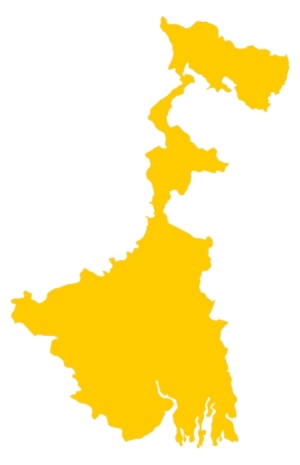 West Bengal
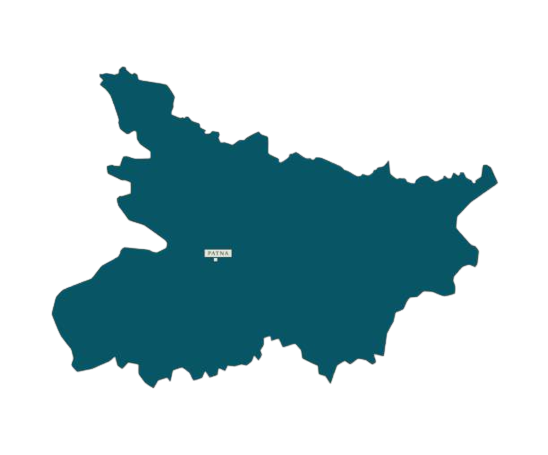 Bihar
Bihar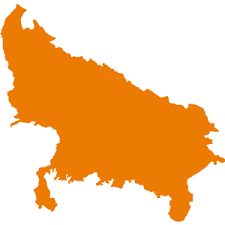 Uttar Pradesh
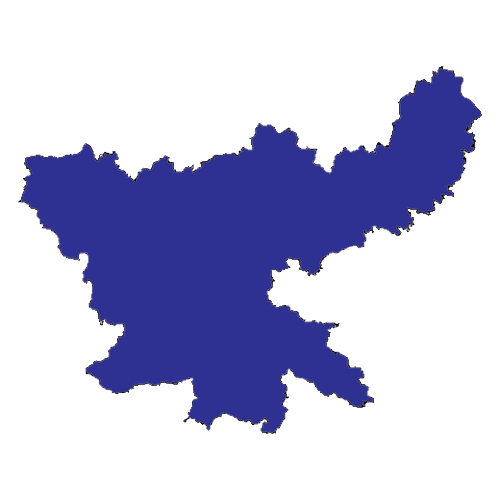 Jharkhand