
Sonam Wangchuk vows to continue hunger strike as CJP reclaims Jantar Mantar stage
.gif)

Download Mobile App 






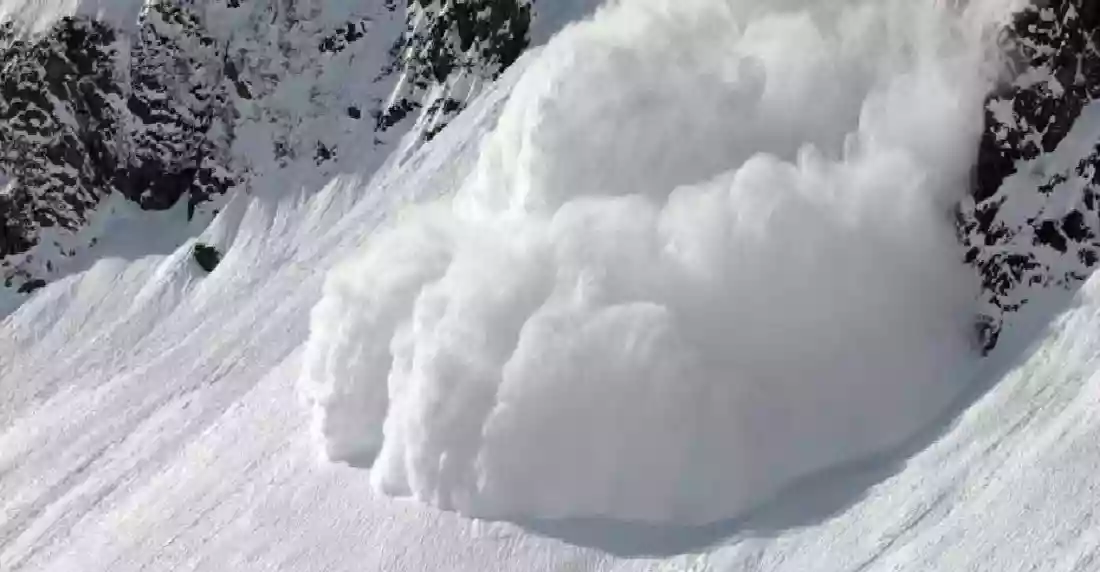
In the unforgiving white expanse of the world's highest battlefield, tragedy struck the Siachen base camp in Ladakh's glacial wilderness when a massive avalanche roared down from the towering peaks, burying three Indian Army soldiers under tons of snow and ice at an altitude of over 12,000 feet. The incident, unfolding in the strategically vital Siachen sector near the Line of Control, claimed the lives of two young Agniveers and a seasoned jawan, highlighting the relentless perils faced by troops stationed in one of the most extreme environments on Earth.
Rescue teams, battling sub-zero temperatures and treacherous terrain, launched an immediate operation to dig through the frozen debris, successfully recovering the bodies after hours of grueling effort. This heartbreaking loss adds to the heavy toll Siachen has exacted over decades, where avalanches, frostbite, and altitude sickness have claimed more lives than enemy fire, underscoring the silent heroism of soldiers guarding India's northern frontiers amid temperatures plunging to minus 50 degrees Celsius. As the nation mourns, the Indian Army salutes their sacrifice, vowing continued vigilance in this frozen hellscape that demands unparalleled courage and endurance.The avalanche hit without warning during routine duties at the base camp, a forward outpost perched precariously on the glacier's edge, where soldiers endure isolation and harsh weather to maintain territorial integrity. Eyewitness accounts from fellow troops describe a sudden rumble echoing through the valleys, followed by a wall of snow cascading down, engulfing tents and equipment in its path.
The three victims, part of a patrol unit, were caught off guard while securing the perimeter, their cries lost in the roar of the slide. High-altitude warfare specialists, these men had undergone rigorous training to combat the elements, yet nature's fury proved insurmountable in that fleeting moment. The Siachen Glacier, stretching 76 kilometers and rising to 20,000 feet, has long been a symbol of India's strategic resolve since Operation Meghdoot in 1984, but it remains a graveyard for the brave, with over 800 soldiers lost to environmental hazards since then.Rescue operations sprang into action within minutes, coordinated by the Army's high-altitude rescue teams equipped with thermal imaging, avalanche dogs, and specialized probes.
Despite whiteout conditions and the risk of secondary slides, the rescuers pressed on, sifting through meters of snow to locate the trapped personnel. "Every second counted in that frozen chaos," a senior officer later shared, praising the team's determination that ensured all bodies were retrieved intact. Medical teams airlifted to the site provided support, though the extreme cold had already sealed the tragic outcome. This prompt response exemplifies the Army's preparedness in Siachen, where drills for such disasters are as routine as patrols, yet each incident serves as a stark reminder of the human cost involved.
The fallen soldiers hailed from diverse corners of India, embodying the force's unity in diversity—two Agniveers, fresh from their four-year enlistment program, represented the new generation of defenders, while the third was a veteran who had weathered multiple winters in the region. Their families, informed swiftly through official channels, received the nation's deepest condolences, with tributes pouring in from leaders across the spectrum. Siachen's base camps, dotted with modular shelters and oxygen supplies, are lifelines for troops, but avalanches like this one expose the vulnerabilities even in fortified positions.
The Army's environmental acclimatization protocols, including staggered ascents and heated gear, mitigate risks, but the glacier's unpredictability—fueled by climate change-induced instability—continues to challenge even the best defenses.Historically, Siachen has been a theater of endurance rather than combat, with natural calamities accounting for the majority of casualties. Past incidents, like the 2016 avalanche that killed 10 soldiers, have prompted innovations in surveillance and early warning systems, including satellite monitoring and seismic sensors. Yet, the 2025 event reignites calls for diplomatic resolutions to demilitarize the area, though India's stance remains firm on sovereignty.
The Siachen base camp, now a site of mourning, will soon resume operations, as the tricolor flies defiantly against the icy winds, honoring the fallen by carrying on their watch.As recovery wraps up, the focus shifts to preventing future tragedies through enhanced infrastructure and international cooperation on glacial stability. The soldiers' sacrifice won't be in vain; it strengthens the resolve to protect Siachen's pristine yet perilous heights. In the quiet aftermath, their comrades stand taller, a testament to the unbreakable spirit that defines India's guardians of the frontier.








 West Bengal
 Bihar
Bihar Uttar Pradesh
 Jharkhand