.gif)

Download Mobile App 







The Lok Sabha on Thursday passed the Viksit Bharat Guarantee for Rozgar and Ajeevika Mission (Gramin) (VB-G RAM G) Bill, 2025, marking a significant overhaul of India's rural employment framework. The new legislation, which seeks to replace the two-decade-old Mahatma Gandhi National Rural Employment Guarantee Act (MGNREGA), was passed via voice vote amidst relentless sloganeering from the Opposition. Union Minister Shivraj Singh Chouhan defended the bill, stating it aligns rural development with the vision of a "Viksit Bharat @2047."
The bill introduces major structural changes, most notably increasing the statutory employment guarantee from 100 days to 125 days per rural household. However, it also shifts the funding model to a 60:40 Centre-State sharing ratio for most states, a departure from the previous system where the Centre bore the full cost of unskilled wages. Additionally, a new "agricultural pause" clause allows states to suspend public works for up to 60 days during peak farming seasons to ensure labor availability for crops.
Opposition MPs, led by the Congress, staged a fierce protest in the Well of the House, accusing the government of an ideological assault. Critics argued that the removal of Mahatma Gandhi’s name from the scheme is an insult to the Father of the Nation. Furthermore, they raised concerns that the shift from a "demand-driven" to a "budget-capped" normative allocation model would dilute the legal right to work and place an undue financial burden on state governments.
Despite requests from several members to refer the bill to a Standing Committee for detailed scrutiny, Speaker Om Birla proceeded with the vote, noting that the House had already conducted an extensive eight-hour debate. The government maintains that the integrated "National Rural Infrastructure Stack" and AI-enabled monitoring under the new Act will eliminate corruption and ensure the creation of high-quality, durable assets in rural India.






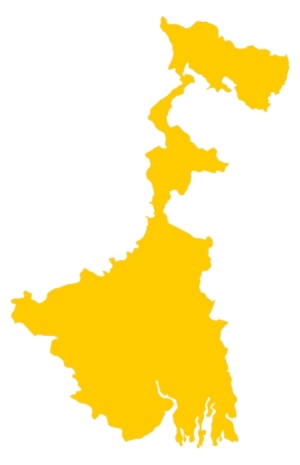 West Bengal
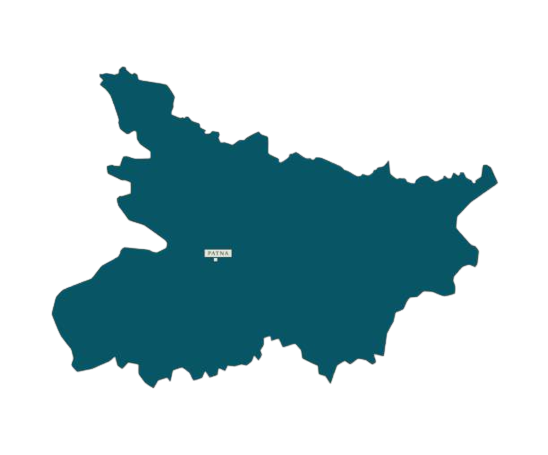 Bihar
Bihar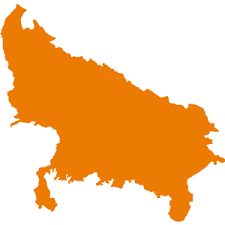 Uttar Pradesh
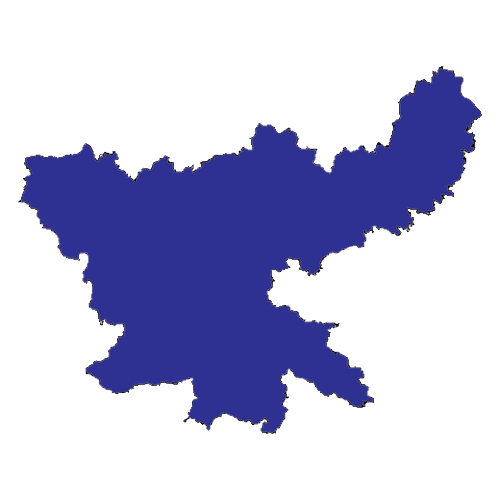 Jharkhand