.webp)
Madan gives Mamata 1 month deadline to leave Abhishek and join "real Trinamool"
.gif)

Download Mobile App 






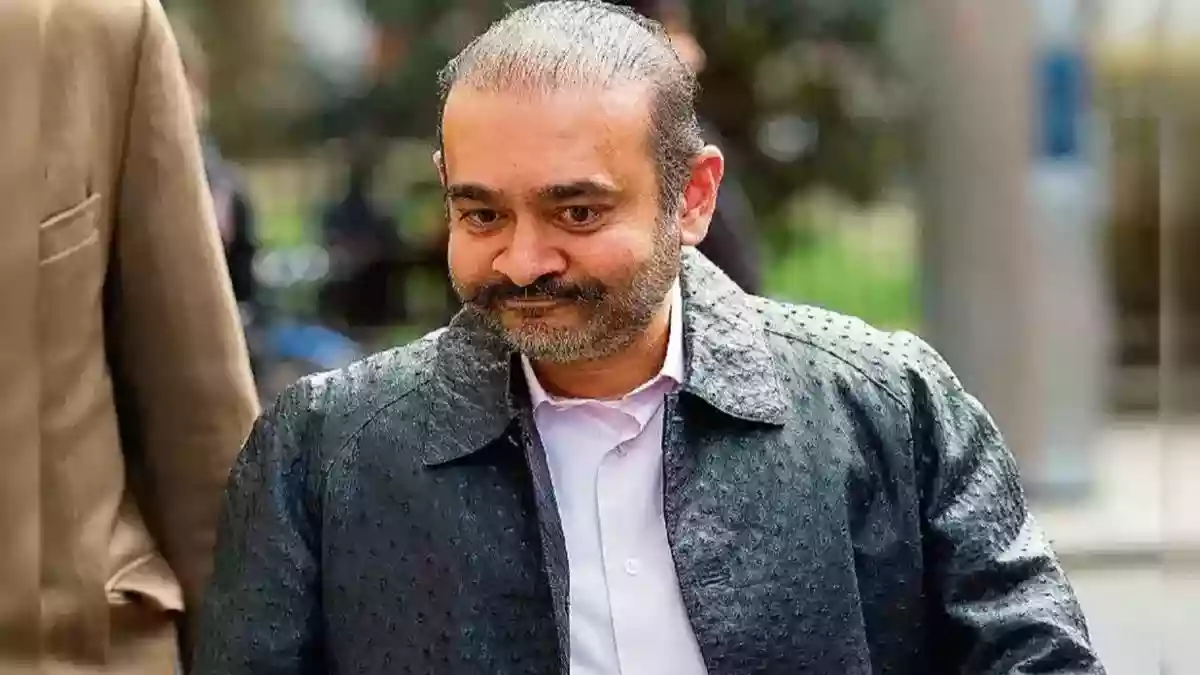
Fugitive diamond merchant Nirav Modi suffered a decisive legal blow as the High Court of Justice in London rejected his application to reopen his extradition proceedings. The King’s Bench Division ruled that Modi’s plea failed to meet the stringent "exceptional circumstances" threshold required to revisit a settled judicial matter. This judgment effectively closes one of the last major legal avenues for the 54-year-old diamantaire, who has been battling return to India since his arrest in March 2019.
The hearing saw a high-stakes standoff where the UK’s Crown Prosecution Service (CPS) was bolstered by a dedicated team from India’s Central Bureau of Investigation (CBI) that flew to London specifically for the case. Modi’s legal team had heavily relied on the recent "Bhandari judgment," involving defense middleman Sanjay Bhandari, whose extradition was blocked on human rights grounds. They argued that Modi faced a similar risk of "endemic" ill-treatment and questioned the validity of sovereign assurances provided by the Indian government.
However, the court found the Indian government’s assurances—delivered through multiple diplomatic notes between September 2025 and February 2026—to be "specific, binding, and given in good faith." These guarantees stated that Modi would not be subjected to custodial interrogation by any of the five investigating agencies (CBI, ED, SFIO, DRI, and CBDT) and would instead proceed directly to trial while being housed at Mumbai’s Arthur Road Jail. The judges noted that India’s high-profile commitment to these terms outweighed the concerns raised by the defense.





.webp)

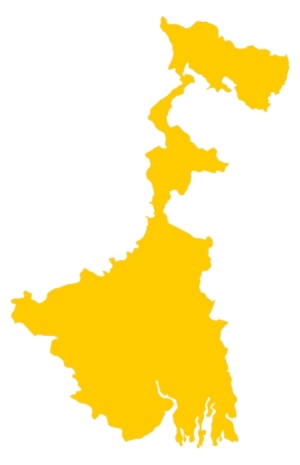 West Bengal
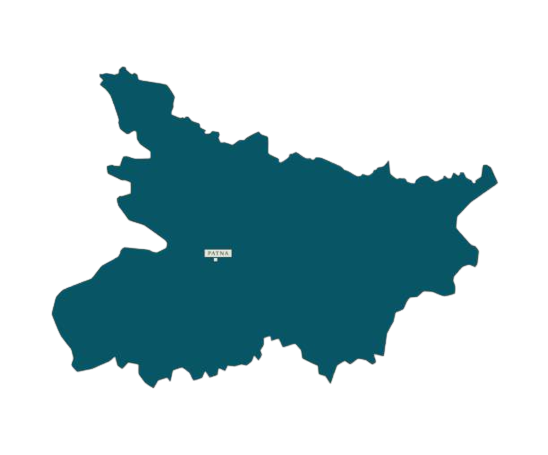 Bihar
Bihar Uttar Pradesh
 Jharkhand