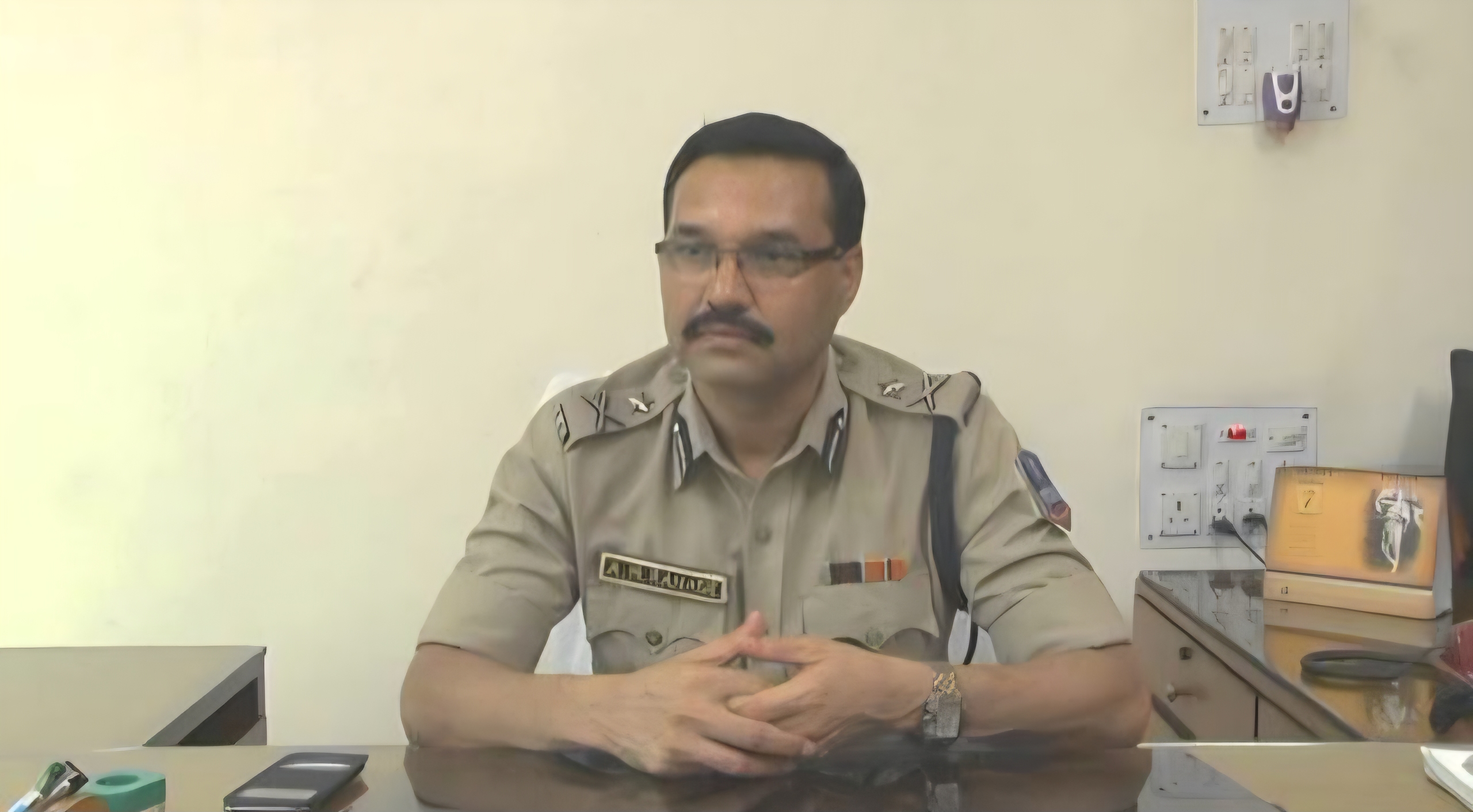
Bengal Govt elevates IPS Ajay Mukund Ranade to DGP (Law and Order)
.gif)

Download Mobile App 






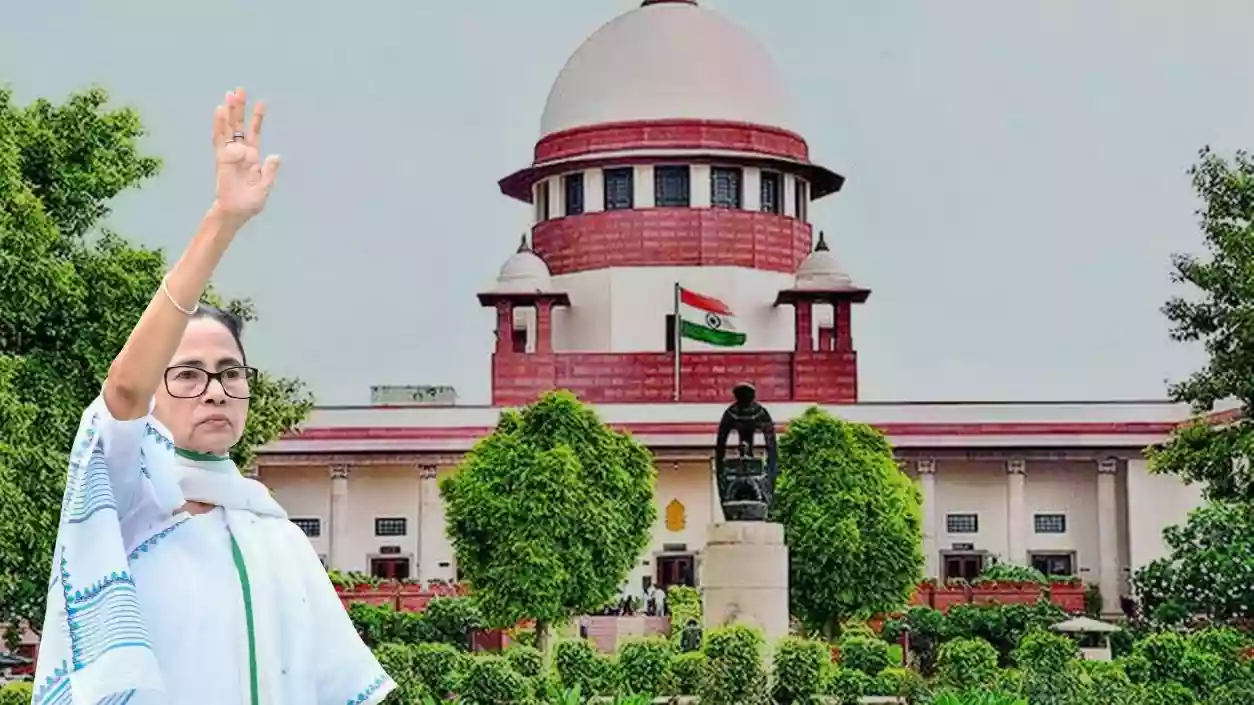
The Supreme Court on Wednesday continued hearing the I-PAC case, focusing primarily on whether the Enforcement Directorate’s petition under Article 32 is maintainable, with the next hearing scheduled for Thursday. The bench made it clear that it is not examining the merits of the case at this stage but will only decide on maintainability. During the proceedings, the court remarked that constitutional interpretation is not static, observing that earlier judgments are often overturned due to evolving circumstances and new legal realities.
The bench emphasised that the Constitution is a living document and that courts must adapt to changing social and political contexts. It noted that new situations continuously raise fresh legal questions, and nothing is permanently settled in one go. The judges stressed that this is not a simple dispute but an exceptional case requiring careful consideration of broader implications, including administrative functioning and democratic processes.
Raising concerns over the nature of the dispute, the court questioned whether the matter could truly be treated as a Centre-State conflict under Article 131. It observed that the issue appears to stem from the actions of an individual who happens to be a Chief Minister, which is affecting governance and democratic functioning. The bench remarked that such a situation—where a sitting Chief Minister allegedly intervenes in an ongoing investigation—was unprecedented and had not been envisaged in earlier cases. It also questioned whether investigative remedies like a CBI probe could even fall within the scope of Article 131.
During the hearing, senior advocate Siddharth Luthra argued that the ED had already approached the Calcutta High Court and therefore could not seek relief again in the Supreme Court for the same issue. Advocate Menaka Guruswamy contended that the petition was not maintainable and that the Centre had chosen a legally weak route under Article 145. She argued that the alleged situation described by the ED did not occur, asserting that there was no criminal act, intimidation, coercion, or violation of any officer’s rights. She further submitted that the case introduces an entirely new kind of legal question that has not arisen before.
Responding to these arguments, the bench questioned the necessity of referring the matter to a Constitution Bench, warning that doing so for every maintainability issue would set an impractical precedent. It also pointed out the need to consider ground realities, noting that legal arguments cannot ignore what is happening on the ground. The Centre, represented by Tushar Mehta, argued that there was a risk of destruction of evidence in such situations. The court, however, questioned how the matter had been brought directly before it and whether intervention by a Chief Minister in an investigation could be framed as a Centre-State dispute. Justice Prashant Kumar Mishra also asked what specific right of the State was involved in invoking Article 131. With arguments continuing, the court indicated that the hearing would resume on Thursday.




.webp)





 West Bengal
 Bihar
Bihar Uttar Pradesh
 Jharkhand