
Bidhannagar Mayor Krishna Chakraborty resigns, another massive blow to TMC
.gif)

Download Mobile App 







While West Bengal Chief Minister Mamata Banerjee's two-day tour of North Bengal, she used the airport send-off to address simmering concerns over Nepal and the Special Intensive Revision (SIR) of electoral rolls, emphasizing diplomacy and border security in a region shadowed by recent unrest in the neighboring Himalayan nation. Speaking candidly to reporters at Bagdogra Airport, Banerjee clarified that Nepal is unequivocally a foreign country, distancing herself from any internal meddling while expressing deep affection for its people alongside those of Sri Lanka and Bangladesh.
Her remarks come against the backdrop of Nepal's political turmoil, including deadly protests and a prime ministerial resignation that have raised alarms about spillover effects into Bengal's sensitive border districts. "Nepal is not my country; it is a foreign nation. I cannot comment on its internal matters," she stated firmly, before pivoting to a heartfelt appeal for enhanced vigilance in border areas to prevent disruptions and restore peace. This tour, focused on development reviews in districts like Siliguri and Jalpaiguri, highlighted her administration's commitment to regional stability, underscoring the belief that happy neighbors mean prosperity for Bengal.
With shared rivers like the Teesta and Mahananda often flooding across borders, Banerjee's words resonate as a call for collaborative harmony amid geopolitical flux.Banerjee's comments on Nepal were measured yet poignant, reflecting the delicate balance West Bengal maintains with its northern neighbor. The state shares a porous 1,751-kilometer border with Nepal, where cultural ties run deep—many Nepali Gorkhas call Bengal home, and cross-border trade thrives in tea, timber, and textiles. However, recent events in Kathmandu, including Gen-Z-led uprisings and royalist interventions, have heightened fears of refugee influxes or smuggling spikes. "We love Nepal, Sri Lanka, and Bangladesh—these neighboring countries are close to our hearts," Banerjee added warmly, evoking the shared history of South Asian solidarity. Her appeal for monitoring border zones was not alarmist but pragmatic, urging locals and officials to avoid entanglements in any "gadbad" or mischief that could escalate tensions. This comes as Bengal's border districts grapple with floods exacerbated by Himalayan rains, often originating in Nepal, making her message timely for both security and humanitarian reasons.The mention of SIR in the context of her remarks adds another layer, as the Election Commission's ongoing drive to purge voter lists has sparked debates in Bengal about potential disenfranchisement. Banerjee has long criticized such initiatives as politically motivated, especially in border areas where migrant communities from neighboring countries reside.
During her tour, she reviewed administrative preparedness in North Bengal, a Trinamool Congress stronghold that's seen fierce electoral battles with the BJP. "I can't say much about foreign affairs, but our focus is peace," she reiterated, signaling that while national diplomacy is Delhi's domain, state-level vigilance is key to safeguarding Bengal's interests. Her words aim to reassure residents in districts like Darjeeling and Cooch Behar, where ethnic Nepali populations form a significant vote bank and cultural bridge.Banerjee's tour wasn't just about borders; it was a whirlwind of engagements showcasing her government's developmental push. She inaugurated projects for flood mitigation, tea industry revival, and infrastructure upgrades, addressing local grievances in a region often overlooked compared to southern Bengal. Interactions with Gorkha leaders and business forums underscored her inclusive approach, blending Bengali pride with respect for diverse communities. On Nepal, her stance echoes past positions—supportive yet non-interfering—recalling her 2021 denial of MEA permission to visit Kathmandu amid diplomatic sensitivities. By framing neighbors as family, she humanizes geopolitics, reminding everyone that "if neighbors are happy, we will be good too," a philosophy rooted in Bengal's history of fostering regional ties.Critics from the opposition might see her comments as evasive, especially with Nepal's instability potentially affecting Bengal's security.
Yet, Banerjee's appeal for shanti or peace aligns with her broader governance style: proactive on local issues while deferring to the center on international ones. As unrest in Nepal simmers, with airport closures and army deployments, Bengal's borders remain on high alert. Her airport statement serves as a subtle nudge to New Delhi for coordinated efforts, without overstepping. In a time when South Asia faces shared challenges like climate change and migration, Banerjee's message promotes unity over division.As she boarded her flight back to Kolkata, Banerjee left North Bengal with renewed directives for patrolling and community outreach, ensuring her tour's momentum translates into action. This episode highlights the interconnected fates of border states and their neighbors, where a leader's words can soothe anxieties and foster goodwill. In the end, her simple yet profound belief—that peace with neighbors ensures mutual well-being—offers a hopeful vision for a stable region, even as challenges persist.





.webp)

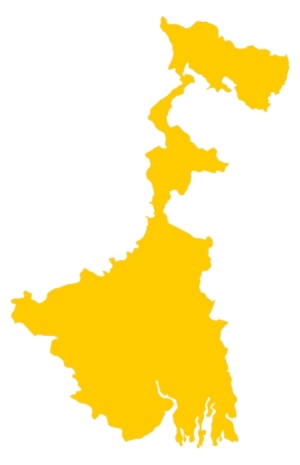 West Bengal
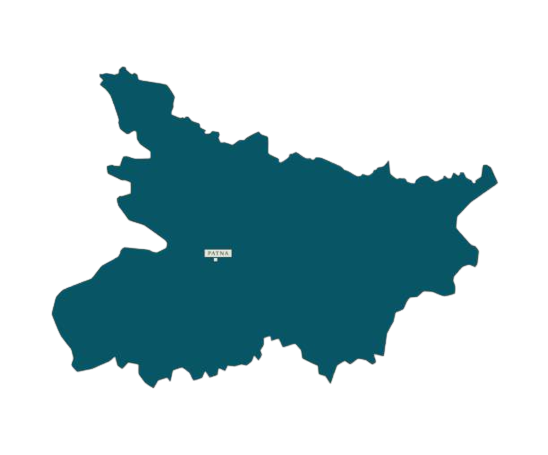 Bihar
Bihar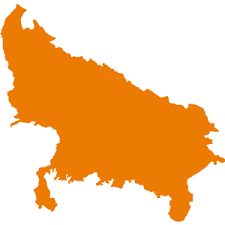 Uttar Pradesh
 Jharkhand