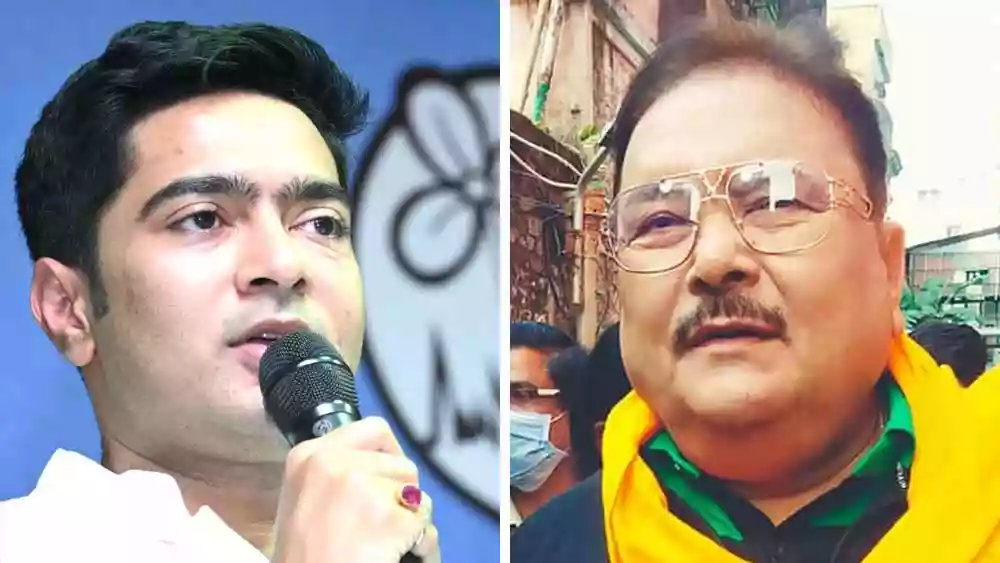
Abhishek slaps 10-crore defamation notice on Madan Mitra over 'murderer' jibe
.gif)

Download Mobile App 






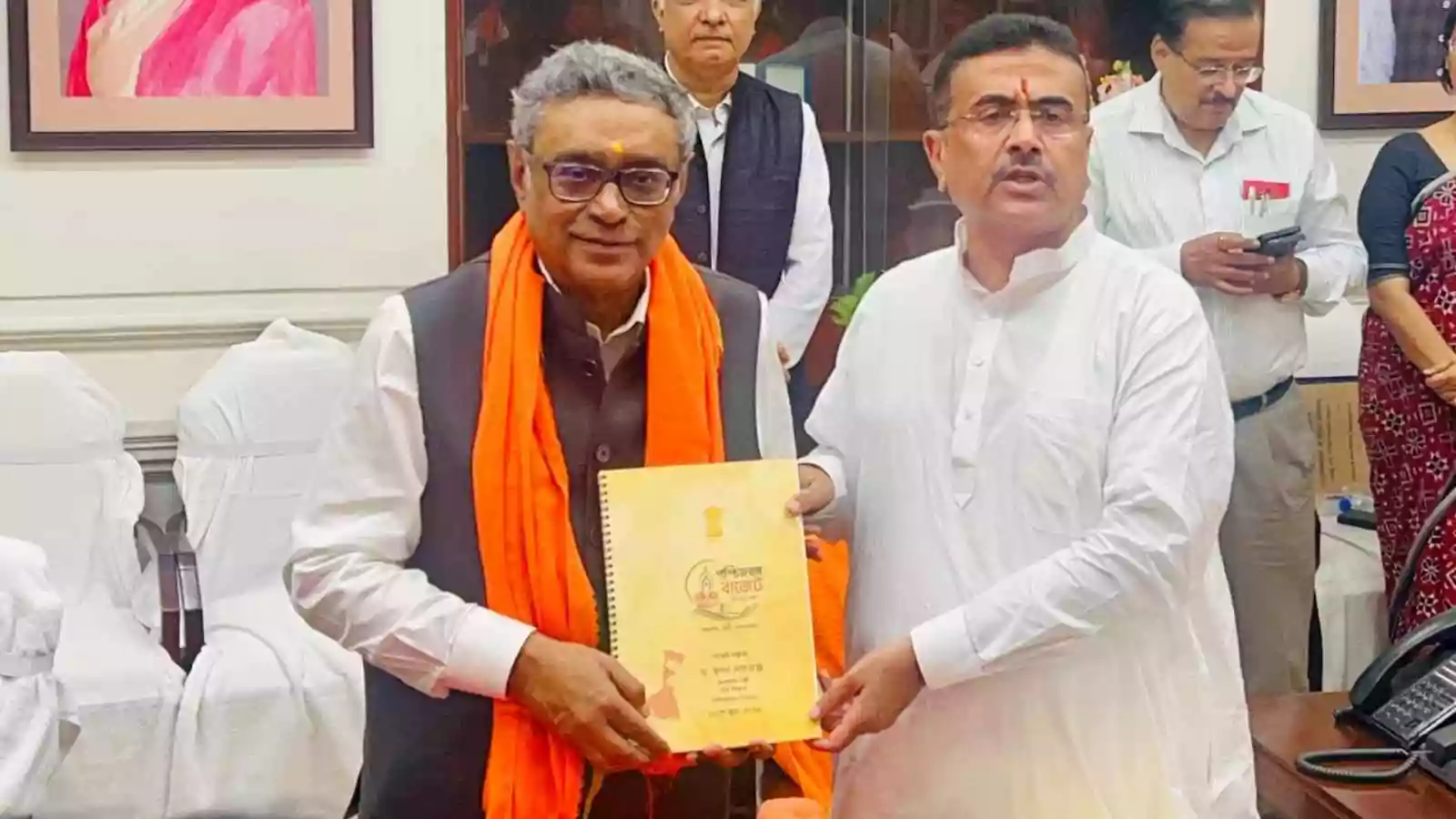
West Bengal Finance Minister Swapan Dasgupta presented a highly ambitious and transformative state budget for the fiscal year 2026. Emphasizing a "business-friendly Bengal" backed by the strategic advantages of a double-engine government system, the budget outlines an aggressive roadmap aimed at eradicating the "syndicate raj," accelerating rural development, boosting women's empowerment, and generating massive employment opportunities across the state.
Massive Government Recruitment: A major drive to fill 1,00,000 (1 lakh) vacant posts within the state government. This includes a targeted intake of 50,000 in the education sector (teachers) and 20,000 in the police department, backed by an additional age relaxation of 2 years for applicants over the next two fiscal years.
Women's Reservation in Public Sector: A mandatory 33% quota for women has been implemented across all new government job recruitments and zero-vacancy posts.
Agniveer Reservation: The state government will provide a 10% mandatory reservation for Agniveers across all state government job recruitments.
North Bengal Industrial & Semiconductor Push: An allocation of ₹5,000 crore dedicated to small and medium industries alongside semiconductor manufacturing in North Bengal, including a new semiconductor unit proposed for Durgapur. It also features targeted initiatives to revive the traditional jute industry and carpet weaving in Gangarampur and Kushmandi.
Electric Vehicles: New battery-powered car manufacturing factories will be established in the northern and western regions of the state.
Startup Policy Outlay: A fresh startup framework launched with a total funding allocation of ₹100 crore (divided into two separate operational segments of ₹40 crore and ₹60 crore).
Calcutta Stock Exchange (CSE): Concrete administrative and regulatory measures will be taken to fully revive the historic financial hub.
Eco-Friendly Industrial Clusters: New industrial zones will be developed under PM Gati Shakti and Sagarmala 2 across Durgapur and Nadia.
Administrative & Safety Reforms: Annual allocations for the Member of Legislative Assembly (MLA) fund have been raised from ₹70 lakhs to ₹1 crore. Additionally, a dedicated Artificial Intelligence (AI) Mission has been launched, along with new fire stations across Hemtabad, Chandipur, Kakdwip, Basirhat, Jangipur, and Arambagh.
New Government Department: Constitutional setup of a brand new, dedicated Ayush Department within the state government framework.
Annapurna Yojana Allocation: A massive ₹36,000 crore fund earmarked for women's empowerment, providing direct cash transfers to women between the ages of 25 and 60 straight into their bank accounts.
Free Transport & Security for Women: An allocation of ₹550 crore introduced to provide completely free bus services for women. Additionally, specialized "Durga Suraksha Dal" units will be raised to ensure women's safety in urban cities.
Maternity Assistance: Pregnant women will receive direct financial assistance of ₹21,000.
Dearness Allowance (DA) Hike: State government employees and pensioners will receive a 20% DA/Dearness Relief hike on top of the existing 18%, bringing the total to 38% effective October 1, 2026.
ASHA & Anganwadi Salary Boost: A monthly salary/remuneration increase of ₹5,000 for all Anganwadi and ASHA workers.
Civic & Emergency Staff Hikes: A monthly pay hike of ₹2,000 for civic volunteers, green police, homeguards, National Volunteer Force (NVF) personnel, and animal welfare workers (effective August 2026).
'Bhorsa' (Hope) Scheme: Unemployed graduates will receive ₹3,000/month and others ₹2,000/month, provided their family income is under ₹1 lakh/year and they do not avail of other social benefits.
Marginalized Groups & Pensions: Allowances for the elderly, specially-abled individuals, and widows increased by ₹500. Additionally, retired journalists will receive a monthly pension of ₹5,000.
Emergency Detainee Pension: A dedicated monthly pension of ₹10,000 will be provided to individuals who suffered imprisonment during the historical Emergency period.
Support for Housewives: Financial assistance will be provided to housewives looking to establish their own "cloud kitchen" setups.
Gig Worker Protection: Provision of free mobile charging infrastructure and clean drinking water facilities at transit points.
Food Security & Employment Guarantee: The "Ma Ahar" urban centers are being expanded by four units, offering a meal of fish and rice for just ₹5. Concurrently, the "G Ram G" (125-day work) scheme receives a funding boost of ₹14,000 crore, adding 25 lakh new beneficiaries.
Tea Garden Welfare: Setting up a dedicated Development Board for Tea Garden workers to oversee their social and structural welfare.
Chingrihata-Newtown Elevated Corridor: A ₹900 crore eco-friendly elevated corridor spanning 7.41 kilometers will be built on the model of Assam’s Kaziranga wildlife corridor.
Metro Expansion: Proposals introduced to launch metro rail services in industrial urban centers including Durgapur, Asansol, and Siliguri.
Deep Sea Port & Terminal: Construction of a deep-sea port at Dadanpatrabada under the Public-Private Partnership (PPP) model, alongside a new Shalimar-Gardenreach shipping and transit terminal.
Aviation Network Overhaul: Complete makeover of the state's air connectivity:
Acquisition of 1,500 acres of land in Kalyani for a brand new airport.
New regional airports will be constructed in Purulia, Balurghat, and Malda.
Infrastructure expansion plans greenlit for Cooch Behar, Hasimara, and Kalaikunda airbases.
A secondary new airport is proposed near the existing Kolkata Airport.
Maritime & Rural Connectivity: An allocation of ₹100 crore for Jetty development alongside the construction of a new 4-lane bridge spanning the Mayurakshi River in Birbhum.
Ayushman Bharat Rollout: The state officially embraces the central health scheme, covering 7 crore citizens with an initial allocation of ₹3,100 crore. ASHA workers, Anganwadi staff, and seniors aged 70 and above are explicitly covered.
North Bengal Medical Hub: Plans unveiled to establish an IIT, an IIM, and an AIIMS hospital in North Bengal, alongside new Medical College Hospitals in Alipurduar, Kalimpong, and Dakshin Dinajpur.
Hospital Modernization & Outstation Housing: Major upgrades announced for medical facilities in Haripal, Bamangola, and Digha. Furthermore, a PPP-model accommodation framework will be set up to assist low-income patients traveling out of state to Mumbai and Vellore for advanced treatments.
Direct Farmer Support: Financial assistance of ₹3,000 annually per family for purchasing high-quality seeds, alongside the launch of the Annapurna Income Protection Scheme to insulate marginal farmers from market fluctuations.
Subsidy and Storage: Power tariff discounts introduced for operating agricultural submersible pumps, alongside specialized cold storage facilities for potato farmers. Dedicated flower-growing clusters will be developed in Howrah, Nadia, and Purba Medinipur.
Flood Control & Dams: Joint Bengal-Bihar Ganga dredging initiated to mitigate seasonal flooding. Additionally, a 60-kilometer dam will be constructed in the vulnerable Sundarbans delta at an investment of ₹1,000 crore.
Ghatal Master Plan: To be executed in direct coordination with the Central Government, featuring an initial allocation of ₹1,200 crore. An additional ₹50 crore is set aside to stop riverbank erosion in Jangipur.
Primary School Upgrades: All state primary schools will be systematically fitted with ceiling fans and clean water purifier plants.
Competitive Exam Grant: College students in government or government-sponsored institutions will receive a one-time grant of ₹25,000 to fund competitive exam preparation.
Women's Higher Education & Hygiene: New exclusive Women’s Universities will be opened in Kanthi, Kaliachak, and Falta. Meticulously placing sanitary napkin vending machines across all schools and colleges in the state.
Tribal Education: Establishment of a dedicated Tribal University and 2 new Central Schools (Kendriya Vidyalayas) in the Jhargram district, with an initial allocation of ₹10 crore for this financial year.
Mid-Day Meal & Staff Hikes: School mid-day meal allocations increased to ₹10 per student. Simultaneously, the monthly salaries of mid-day meal cooks receive a ₹1,000 increase, and para-teachers receive a ₹5,000 salary hike.
Sports & Skill Infrastructure: A brand new Sports University will be built, along with an international standard sports stadium in North Bengal (₹20 crore layout) and a mini indoor stadium (₹5 crore layout). Local sports clubs participating at national levels will be supported with a ₹1 crore grant. A specialized 3D Animation vocational course will also be added to curricula.
Religious Tourism & Circuits: Global branding push centered around Durga Puja. Preservation and upgrade funds allocated for Kankalitala, Kalighat, Tarapeeth, and the Madanmohan Temple. Development of the comprehensive Sri Sri Chaitanya Mahaprabhu pilgrimage circuit and a distinct Shaktipeeth circuit.
North Bengal Tourism Upgrades: Developing Darjeeling as a premier eco-adventure tourism center, alongside launching a new tiger safari experience at the Jhargram Zoo.
Cultural Legacy Funding: July 6 (the birthday of Dr. Shyama Prasad Mukherjee) declared an official state government holiday. A corpus of ₹200 crore is set aside for conserving the ancestral house of Zirat, building public libraries, parks, and historical memorials.
Tea Estate Land Reforms: Land ceilings for commercial tea estate land utilization in North Bengal have been reduced from 30% to 15%, opening up remaining lands for diversification.
Strict Liquor Store Zoning: No new liquor shop licenses will be approved within 1 kilometer of any educational school. Within the high-density limits of the Kolkata Municipal Corporation (KMC), this protective buffer zone is set at 500 meters.



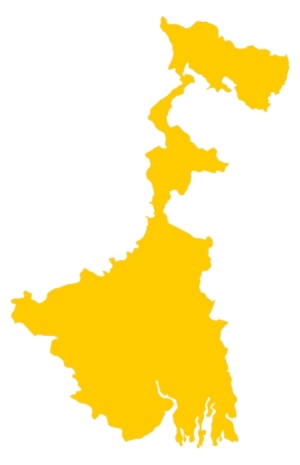 West Bengal
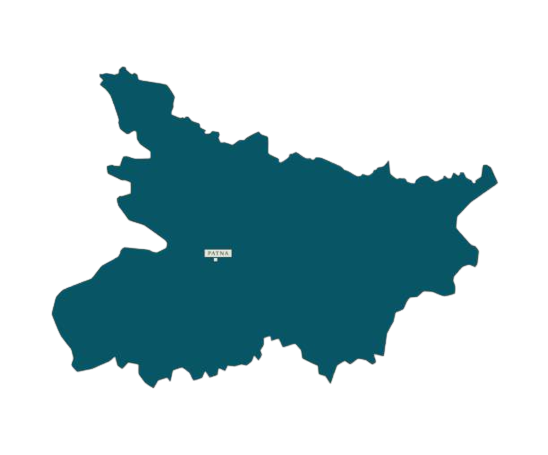 Bihar
Bihar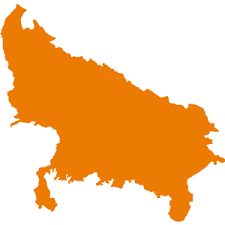 Uttar Pradesh
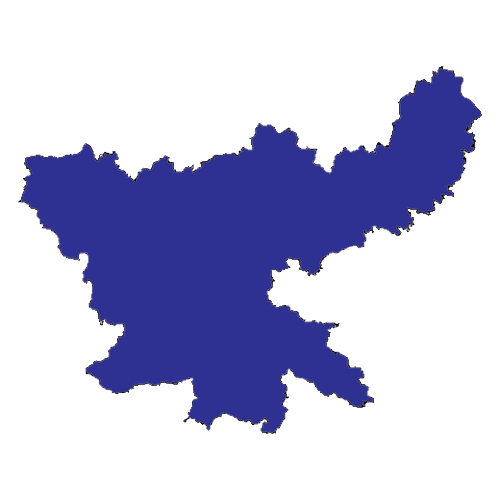 Jharkhand