.gif)

Download Mobile App 






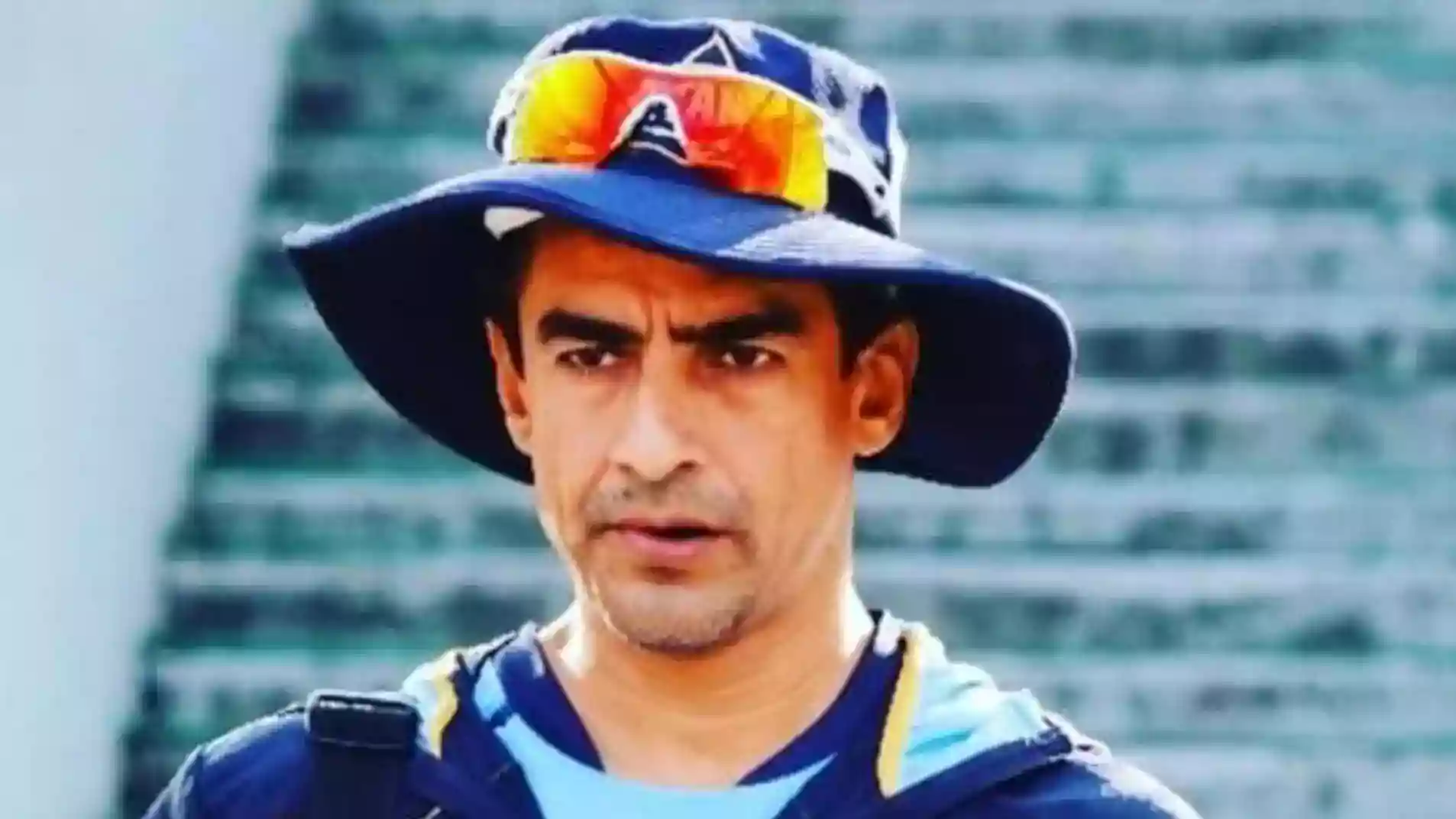
In a seismic shift that reverberates from the sun-baked pitches of Jammu and Kashmir to the glitzy boardrooms of Mumbai, former Delhi cricketer Mithun Manhas was unanimously elected as the 37th president of the Board of Control for Cricket in India (BCCI) today, during the board's Annual General Meeting, marking him as the first from his home state and the first uncapped player to lead the world's richest cricket body. At 45, Manhas—a gritty middle-order stalwart who captained Delhi through golden Ranji Trophy eras and mentored young Virat Kohli—steps into the shoes of Roger Binny, whose tenure ended amid age-limit stipulations, following a whirlwind of late-night deliberations that sidelined heavyweights like Sourav Ganguly and Harbhajan Singh. This unopposed ascension, confirmed after Manhas filed his nomination in a consensus panel, signals a fresh chapter for Indian cricket administration, blending domestic depth with a commitment to Lodha reforms, as the BCCI eyes an action-packed calendar from IPL auctions to the 2027 World Cup, all under the steady gaze of a man who knows the game's trenches better than its thrones.
Manhas's journey to this pinnacle is the stuff of underdog epics, born on October 12, 1979, in Jammu, where cricket was less a profession than a passion forged on dusty maidan. He burst onto the scene with Jammu and Kashmir's U-16 side before migrating to Delhi's high-stakes circuit, debuting in first-class cricket during the 1997-98 season and amassing 9,714 runs across 157 matches, including 27 centuries that showcased his dogged resilience. As Delhi's skipper from 2007 to 2010, he orchestrated triumphs like the 2009-10 Ranji title, nurturing talents like Kohli and showcasing tactical nous that earned him a surprise IPL call-up with Chennai Super Kings in 2012—his lone international brush, albeit uncapped. "Cricket isn't just about boundaries; it's about building bridges," Manhas once quipped in a post-match huddle, a philosophy that now propels him from pitch-side strategist to the helm of a Rs 20,000 crore empire, his nomination greased by legal maneuvers ensuring compliance with cooling-off periods and state representation quotas.The path to presidency wasn't paved in glamour but hammered out in a marathon midnight meeting in New Delhi on September 20, where BCCI's power brokers—grappling with the Lodha mandate for cricketer-leads—sifted through a shortlist that included Ganguly's charisma and Harbhajan's firebrand appeal.
Yet, Manhas emerged as the consensus dark horse, his lack of elected office-bearer baggage at Jammu and Kashmir Cricket Association (where he served as Director of Cricket) dodging eligibility snags, while his clean administrative slate as IPL Governing Council member since 2022 tipped the scales. As Rajeev Shukla, retaining vice-presidency, announced the panel: Devajit Saikia as secretary, Prabhtej Singh Bhatia as joint secretary, and Ashish Shelar as treasurer. Ganguly, attending as Bengal's rep, offered gracious nods, his own presidential ghosts laid to rest in this democratic pivot.For Indian cricket's foot soldiers—the Ranji hopefuls in rain-soaked nets and IPL scouts in sun-scorched stadiums—Manhas's elevation feels like vindication for the unsung. Unlike predecessors with Test caps or media megaphones, his uncapped badge burnishes the board's grassroots ethos, promising reforms that funnel funds to domestic leagues starved by IPL's dazzle.
With the IPL Governing Council's continuity under Arun Dhumal, Manhas inherits a stable yet scrutinized machine, his tenure kicking off amid calls for transparency in player contracts and anti-corruption vigilance.The cricket fraternity's response has been a chorus of cautious optimism, laced with the sport's eternal banter. "Mithun's got that Delhi grit—tough as teak, fair as they come. He'll steady the ship without rocking it," tweeted Kohli, evoking memories of their shared dressing-room banter during Delhi's glory days. Harbhajan, edged out but ever the team player, posted a light-hearted "Congrats, bhai—now fix those DRS calls!" while Ganguly's endorsement carried statesman weight: "He'll do well; cricket needs builders like him." Skeptics, though, murmur of factional fixes, pointing to the unopposed vote as a nod to administrative inertia, but Manhas's track record—overseeing IPL's eco-friendly tweaks and youth academies—counters with quiet competence. As confetti settled in Mumbai's Wankhede corridors post-AGM, the air buzzed with speculation: could this J&K trailblazer finally greenlight a Kashmir Premier League, or recalibrate India's Test resurgence against Australia's might?Manhas's presidency arrives at a crossroads for the BCCI, the behemoth that bankrolls global cricket yet grapples with equity amid explosive growth. With revenues soaring past $2 billion annually, his first order might tackle the domestic vs. franchise tug-of-war, ensuring Ranji's relevance in an IPL-shadowed landscape, or champion tech integrations like AI scouting for talent hunts in hinterlands. Personally, for the soft-spoken family man—who juggles coaching stints with commentary gigs—this role is less a crown than a call to legacy, honoring the mentors who saw steel in a Jammu lad's swing. Manhas stands not just as BCCI's face but its fulcrum, poised to swing the bat for an inclusive game where every state, capped or not, gets its innings.In the grand pavilion of Indian cricket, Mithun Manhas's election isn't merely a nameplate swap—it's a narrative flip, from the margins to the middle. As he prepares to address the nation in his inaugural speech, one senses the quiet fire of a man who's chased centuries in defeats: determined, unyielding, ready to script the next chapter. For fans from Delhi's Feroz Shah Kotla to Jammu's sleepy grounds, it's a reminder that in cricket's unpredictable crease, the understudy can become the opener. Here's to Manhas—may his term score big, boundaries aplenty, for the beautiful game we all call home.


.webp)


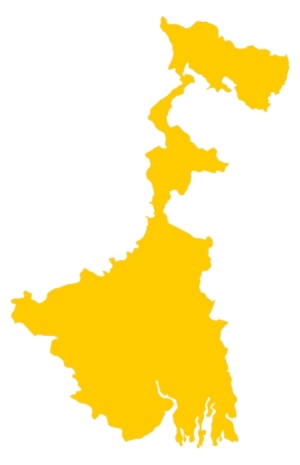 West Bengal
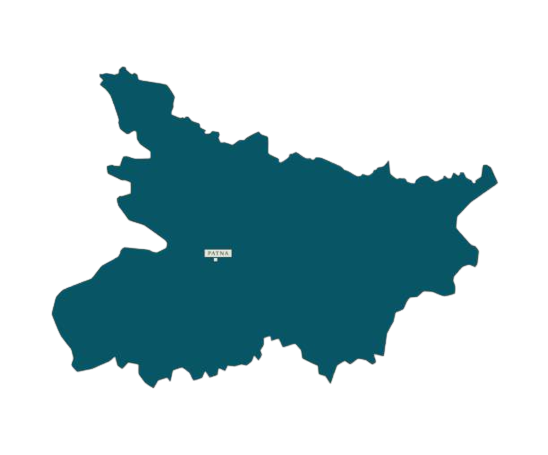 Bihar
Bihar Uttar Pradesh
 Jharkhand