.gif)

Download Mobile App 






Moody Ratings has lowered India’s economic growth forecast for FY27 to 6%, citing escalating geopolitical tensions in West Asia and their potential impact on inflation, supply chains, and overall economic momentum. The downgrade from its earlier estimate of 6.8% reflects concerns over weakening private consumption, slower industrial activity, and subdued investment amid rising input costs.
According to reports, the agency warned that disruptions in key imports—particularly crude oil and liquefied petroleum gas—could significantly affect domestic prices. With West Asia accounting for a major share of India’s energy imports, any prolonged conflict could lead to higher fuel and transport costs, which may eventually spill over into food inflation due to increased fertiliser expenses.
Moody’s has projected inflation to rise to an average of 4.8% in FY27, compared to 2.4% in the previous fiscal year, indicating a sharp upward risk. According to reports, this could force policymakers to maintain higher interest rates for a longer period or even consider gradual rate hikes, depending on how global tensions evolve and influence domestic price stability.
The agency also highlighted potential fiscal challenges, noting that elevated energy prices could increase subsidy burdens while recent excise duty cuts may reduce government revenues. Higher costs are expected to impact household spending and corporate profitability, which could, in turn, affect tax collections and slow fiscal consolidation efforts.
Despite these concerns, India’s economic fundamentals remain relatively strong, supported by previous growth momentum. However, according to reports, rising import bills, a widening current account deficit, and risks to remittances from Gulf regions could further pressure the economy if geopolitical uncertainties persist over the coming years.











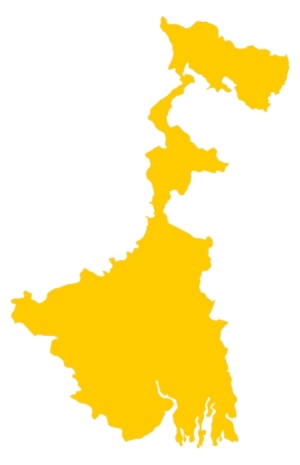 West Bengal
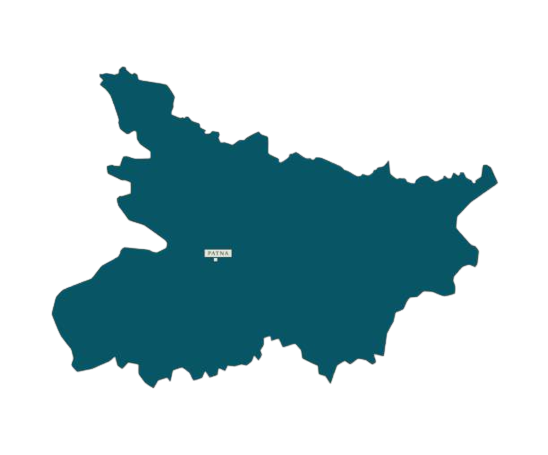 Bihar
Bihar Uttar Pradesh
 Jharkhand