
Muzaffarpur hospital blaze kills 3 patients, leaves 20 injured
.gif)

Download Mobile App 






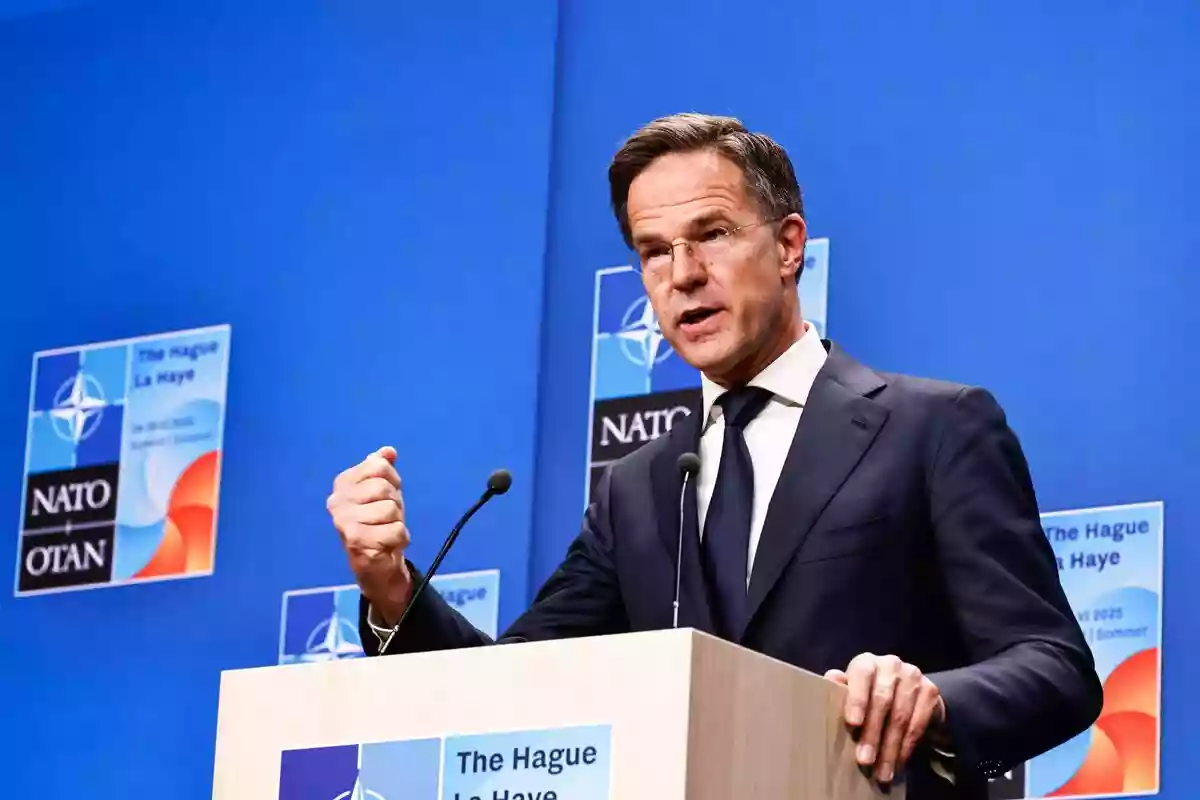
NATO Secretary General Mark Rutte has issued a stark warning to Brazil, China, and India, cautioning that these nations could face severe economic penalties, including "100 per cent secondary sanctions," if they continue their current trade relations with Russia. Speaking to reporters after a meeting with US senators on Wednesday, Rutte explicitly urged the leaders in Beijing, Delhi, and Brasília to exert pressure on Russian President Vladimir Putin to engage seriously in peace negotiations regarding the ongoing conflict.
Rutte's message was unequivocal: "If you are the President of China, the Prime Minister of India, or the President of Brazil, and you continue to trade with Russia and buy their oil and gas, then you know: if the man in Moscow doesn't take the peace negotiations seriously, I will impose 100 per cent secondary sanctions." This direct threat underscores the increasing frustration among Western allies over perceived support for Russia's economy.
He further emphasized the potential economic repercussions for these nations, stating, "My encouragement to these three countries, particularly, is: if you live now in Beijing, or in Delhi, or you are the president of Brazil, you might want to take a look into this, because this might hit you very hard." This statement serves as a clear indication that NATO is prepared to escalate economic pressure beyond direct sanctions on Russia.
Rutte also directly called upon the leaders of the three nations to personally urge Putin to commit to peace talks. "So please make the phone call to Vladimir Putin and tell him that he has to get serious about peace talks, because otherwise this will slam back on Brazil, on India, and on China in a massive way," he implored, highlighting the urgency of diplomatic intervention from non-Western powers.
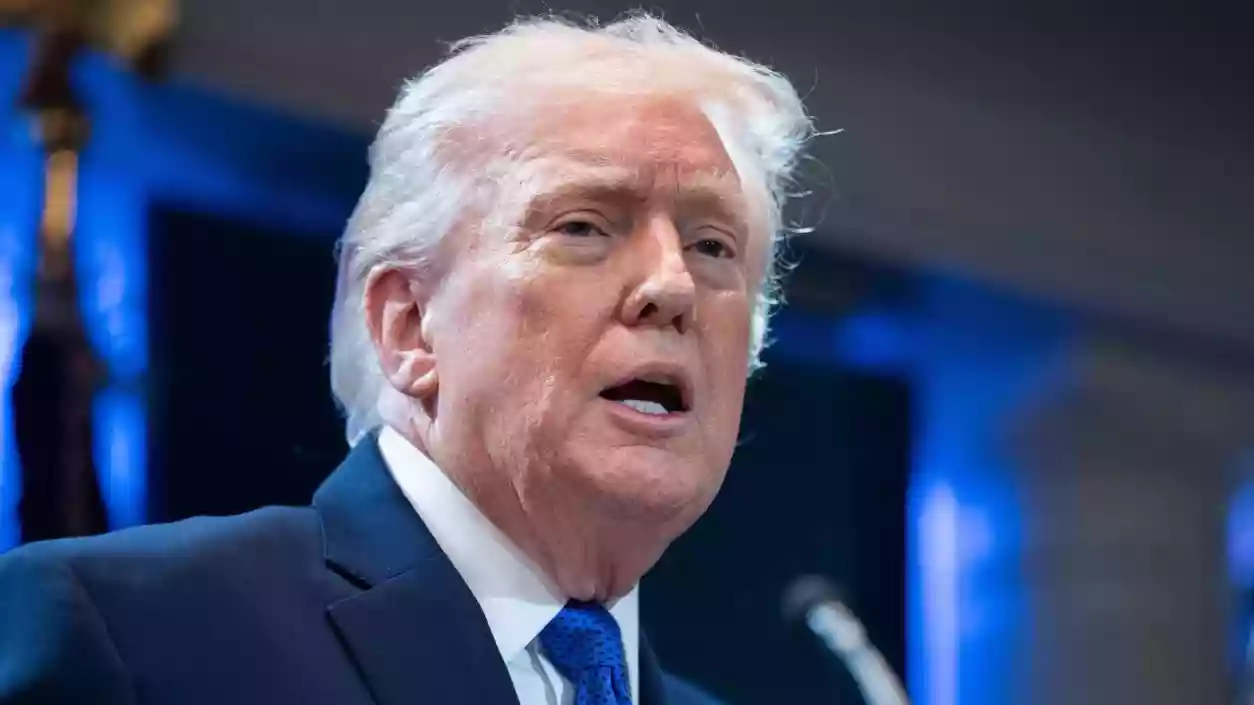
The NATO leader's forceful remarks follow closely on the heels of a significant announcement by US President Donald Trump. Just a day prior, Trump had revealed new military support for Ukraine and threatened sweeping tariffs on Russia and its trading partners, signaling a coordinated escalation of pressure from Western powers.





 West Bengal
 Bihar
Bihar Uttar Pradesh
 Jharkhand