
Abhijeet Dipke takes break from Jantar-Mantar protest, cites health issues
.gif)

Download Mobile App 






.webp)
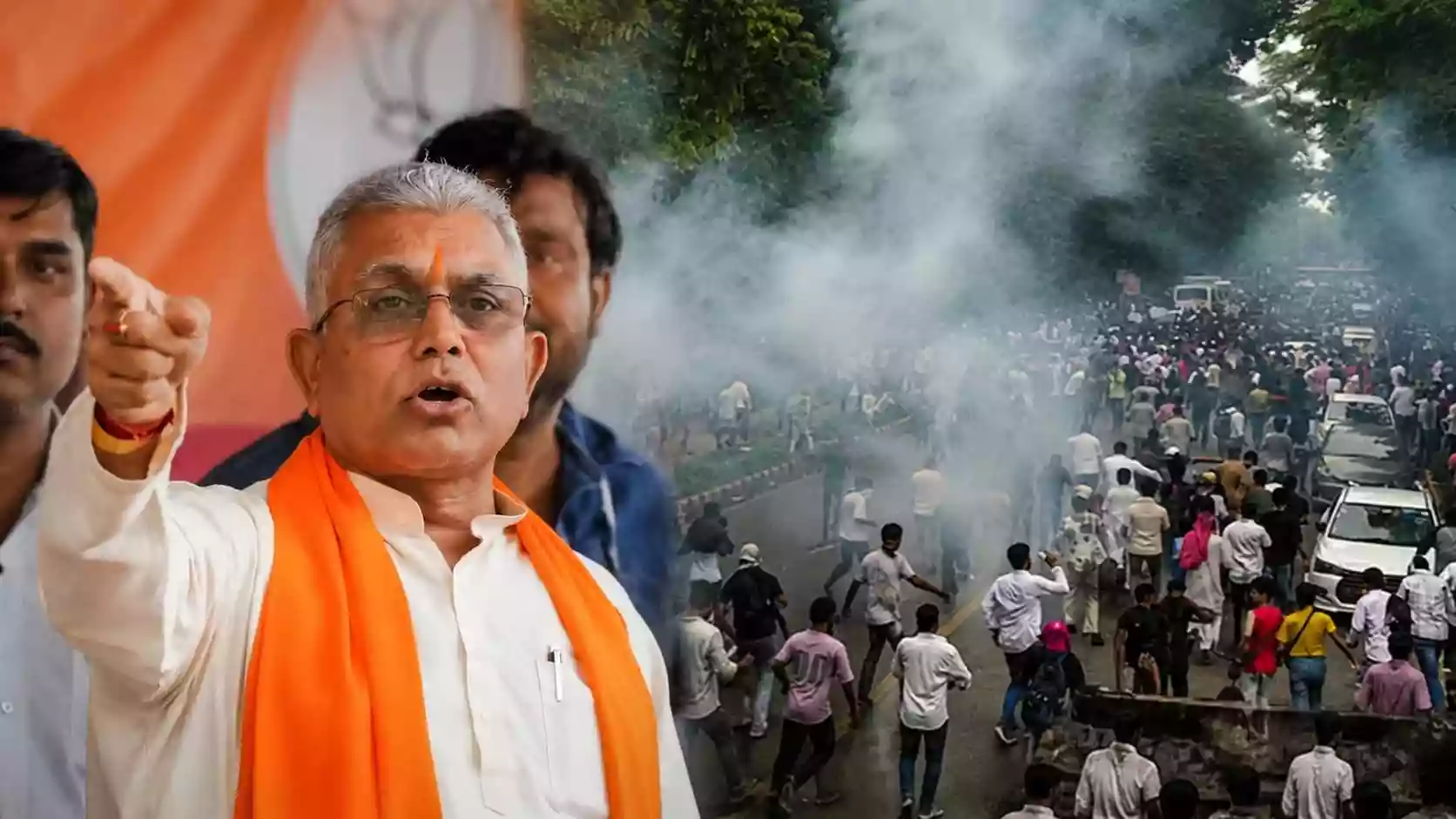
The political landscape in India has undergone a significant transformation following a major realignment within the Lok Sabha. Twenty Members of Parliament from the Trinamool Congress (TMC) have defected to the newly formed Nationalist Citizens Party of India (NCPI), subsequently pledging their support to the National Democratic Alliance (NDA). This strategic shift has propelled the NDA's total strength to 312 seats, comfortably surpassing the 272-seat majority threshold required to form a government.
This development fundamentally alters the power dynamics within the ruling coalition. For months, the Janata Dal (United) and the Telugu Desam Party (TDP) held considerable influence as essential allies, effectively acting as 'kingmakers' for the Modi administration. With the NDA's expanded numbers, the government is no longer strictly dependent on the support of these specific regional players to maintain its parliamentary majority.
Political analysts indicate that this shift will likely lead to a reduction in the bargaining power previously exercised by the JDU regarding cabinet berths and central policy influence. Consequently, the Bharatiya Janata Party (BJP) is expected to gain greater autonomy in governance and in shaping state-level policy decisions, with significant implications anticipated for political developments in Bihar. As the NDA solidifies its position, the internal distribution of influence within the coalition is undergoing a profound reassessment, marking a new phase in the current parliamentary term. Taaza TV will continue to monitor how these changes impact the legislative agenda and future state policy.








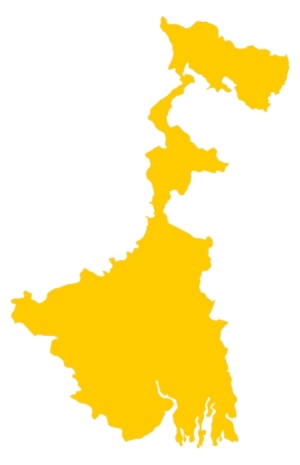 West Bengal
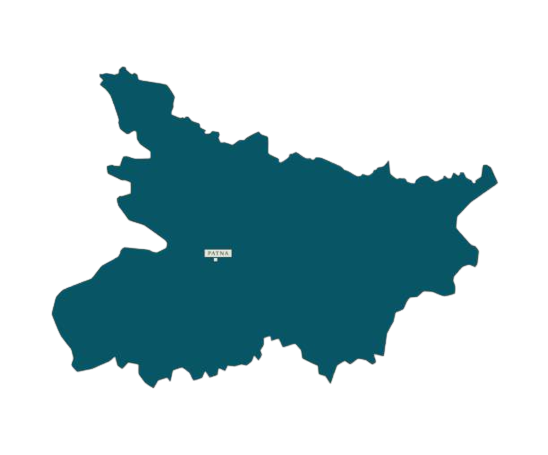 Bihar
Bihar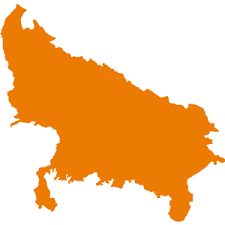 Uttar Pradesh
 Jharkhand