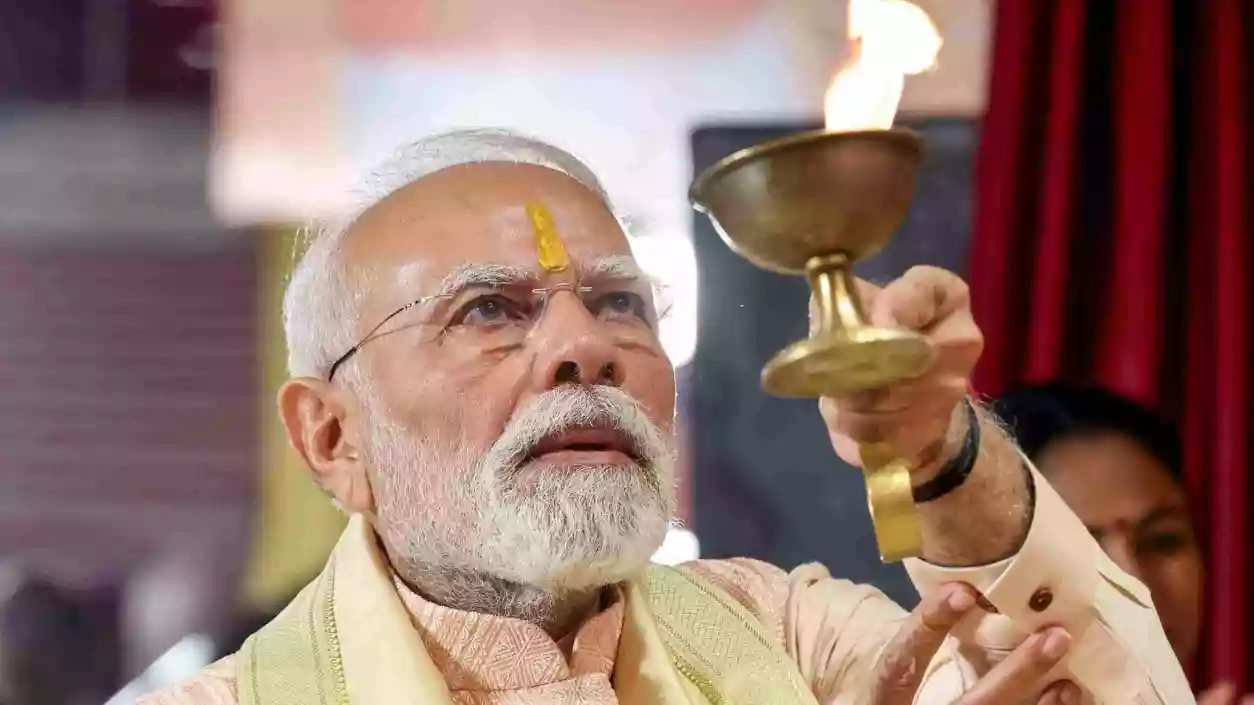
PM will offer Anjali to Maa Durga this Ashtami in Kolkata, receives multiple invitations
.gif)

Download Mobile App 







The government of Nepal has made a significant decision to shut down a total of 26 social media platforms, including some of the world's largest, such as Facebook, Twitter (X), and YouTube. This directive, which was made on Thursday, is a direct implementation of a recent cabinet meeting decision and a mandate issued by the Supreme Court of Nepal. The Ministry of Information and Communication Technology has already taken action, sending a formal request to the Nepal Telecommunication Authority to immediately enforce the ban.
The move comes after the government's repeated attempts to regulate these platforms, which have been operating in the country without official registration. The Ministry's decision is aimed at ensuring that all digital platforms adhere to national laws and regulations. The ban is not permanent; the government has stated that these social media platforms will be gradually allowed to resume operations once they complete the official registration process in Nepal.
The legal basis for this broad ban stems from a Supreme Court order. A bench of Justices Tek Prasad Dhungana and Shanti Singh Thapa had previously issued a writ to the government. The order instructed the authorities to ban content, including advertisements, broadcast through social media, over-the-top (OTT) apps, and internet browsers that were operating without proper permission.
In its ruling, the Supreme Court made it clear that foreign broadcasting organizations must obtain permission to broadcast content within Nepal's borders. The court also mandated that the government is responsible for creating and implementing the necessary laws to effectively regulate these services. This legal framework, which the government has since pursued, is now being used to enforce the shutdown of non-compliant platforms.
The decision has immediate and far-reaching consequences for millions of users in Nepal who rely on these platforms for communication, business, and information. The government's move, while following a judicial order, has sparked a debate about digital freedom and the right to information. Critics have expressed concerns that such a sweeping ban could hinder freedom of expression and disrupt the country's digital economy.
While the government maintains that the ban is about accountability and regulation, the affected platforms have yet to issue an official response. It remains to be seen how the major global tech companies will react to this development and whether they will choose to comply with Nepal's registration requirements to restore their services. The situation highlights a growing global trend of governments seeking to assert greater control over foreign digital platforms operating within their borders.








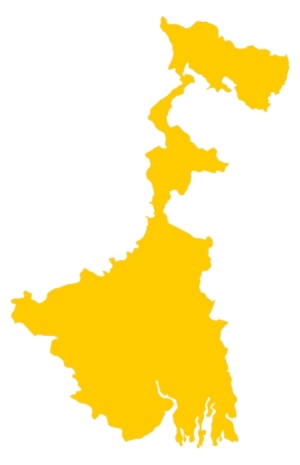 West Bengal
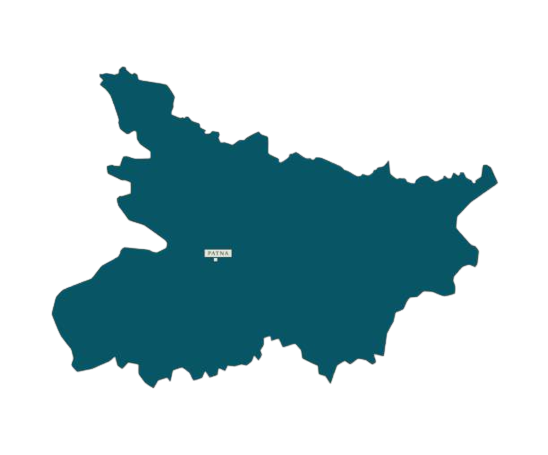 Bihar
Bihar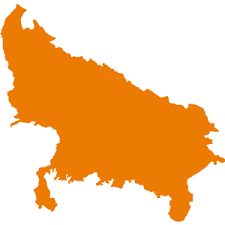 Uttar Pradesh
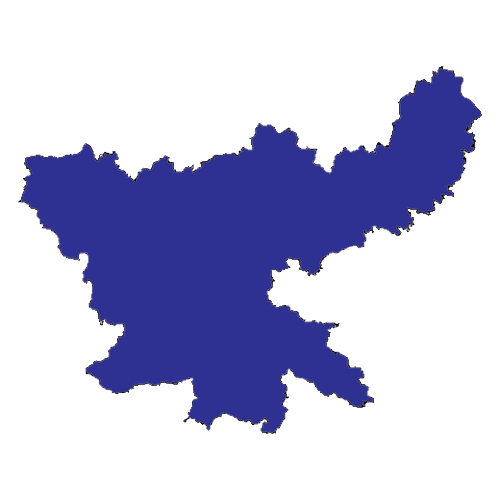 Jharkhand