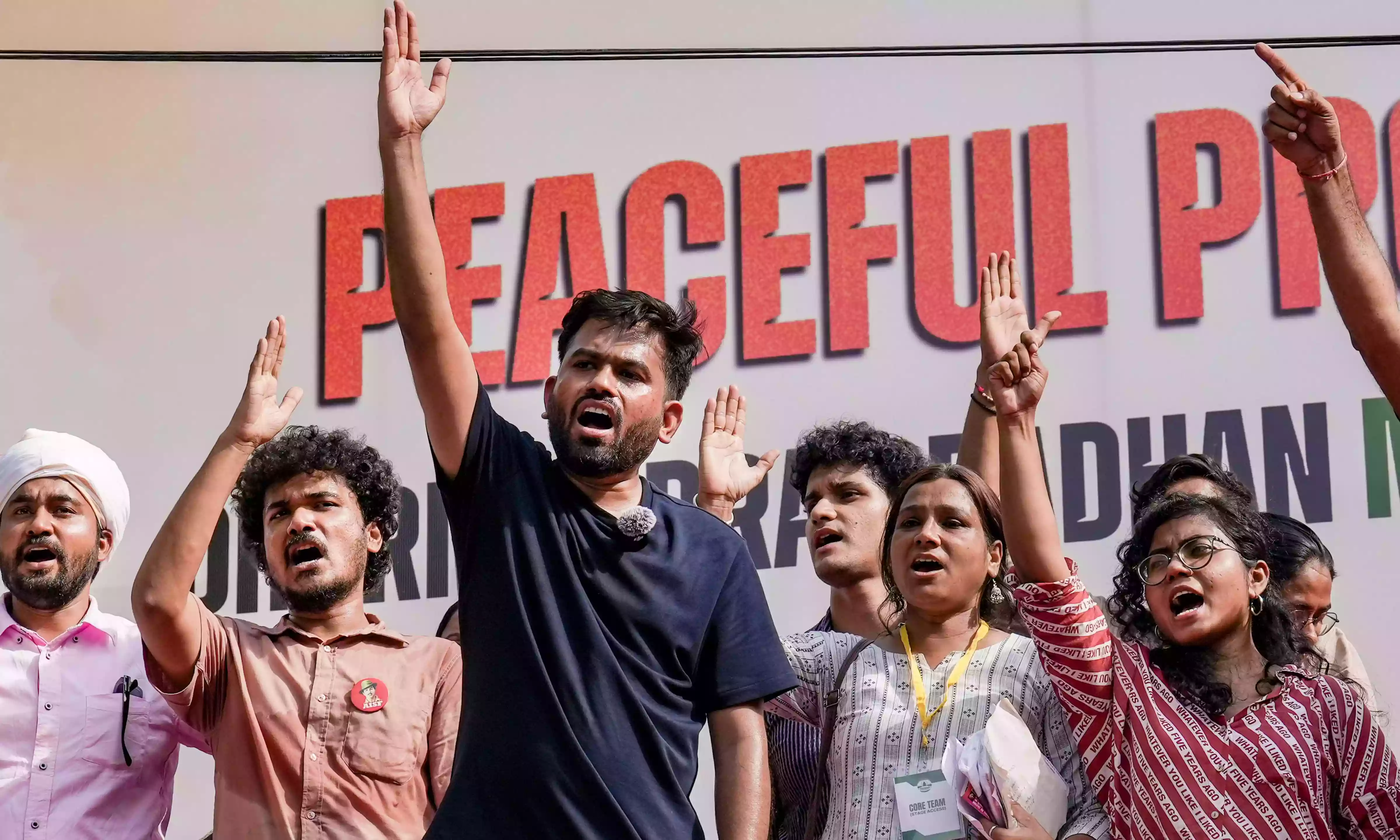
Abhijeet Dipke takes break from Jantar-Mantar protest, cites health issues
.gif)

Download Mobile App 






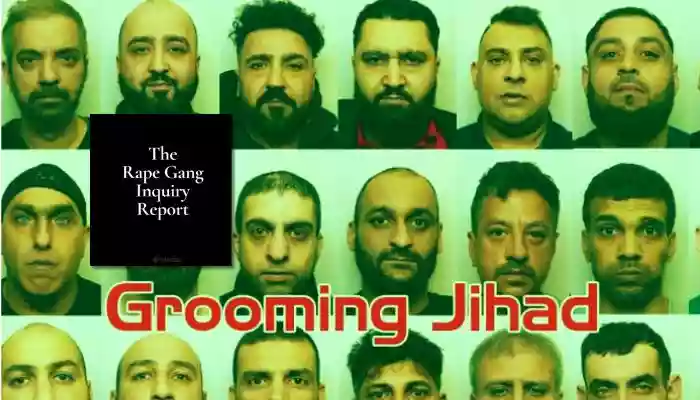
An independent, survivor-led panel in the United Kingdom has published a comprehensive 219-page assessment titled the "Rape Gang Inquiry Report." Chaired by Member of Parliament Rupert Lowe and coordinated alongside prominent campaigner Sammy Woodhouse, the investigative committee includes lawmakers Esther McVey, Nick Timothy, and Carla Lockhart. The report synthesizes victim testimonies, whistleblower declarations, and public records to outline a multi-decade network of organized child sexual exploitation across the country. According to the document, the structural reach of these illicit operations extended across approximately 149 local authority districts, impacting nearly half of the nation's geographic regions since the mid-20th century.
The findings indicate that organized exploitation rings systematically targeted minors, with a conservative baseline estimate of 250,000 young individuals subjected to severe physical abuse, trafficking, and long-term psychological trauma. The text notes that victims were predominantly young girls from working-class communities or socioeconomically unstable backgrounds. The report highlights that while the average age of targeted individuals typically fell between eleven and thirteen years, testimonies revealed rare but severe cases involving children of younger age groups. In the year 2019 alone, regional authorities formally identified approximately 19,000 child victims connected to wider regional exploitation rings.
A significant portion of the inquiry focuses on the highly structured nature of the perpetrator networks and the institutional oversights that allowed them to persist. According to the data, operators frequently utilized localized commercial infrastructure, such as regional taxi networks, to manage the logistics of transport and movement between residential properties, hotels, and commercial establishments. The report also highlights that administrative agencies and media organizations historically delayed comprehensive interventions due to concerns surrounding community relations and political optics. Court records reviewed by the panel indicate that roughly 87% of individuals convicted in these group-based child sexual exploitation cases shared specific demographic backgrounds.





.webp)

.webp)

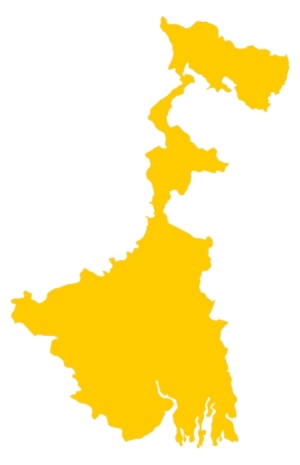 West Bengal
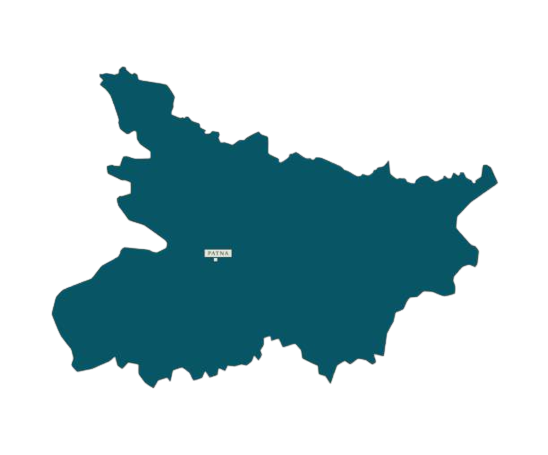 Bihar
Bihar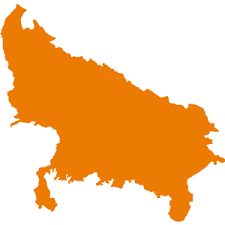 Uttar Pradesh
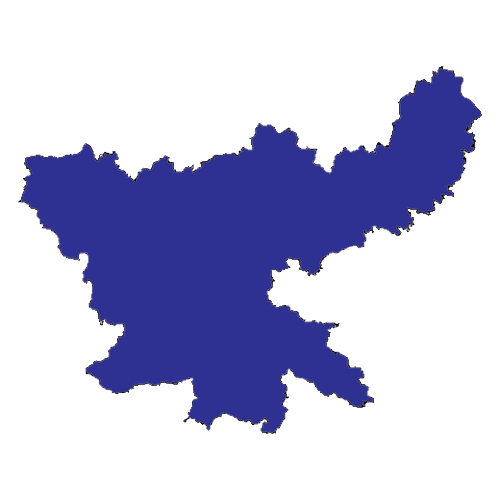 Jharkhand