
ChatGPT down globally, thousands of users reports login and chat issues
.gif)

Download Mobile App 






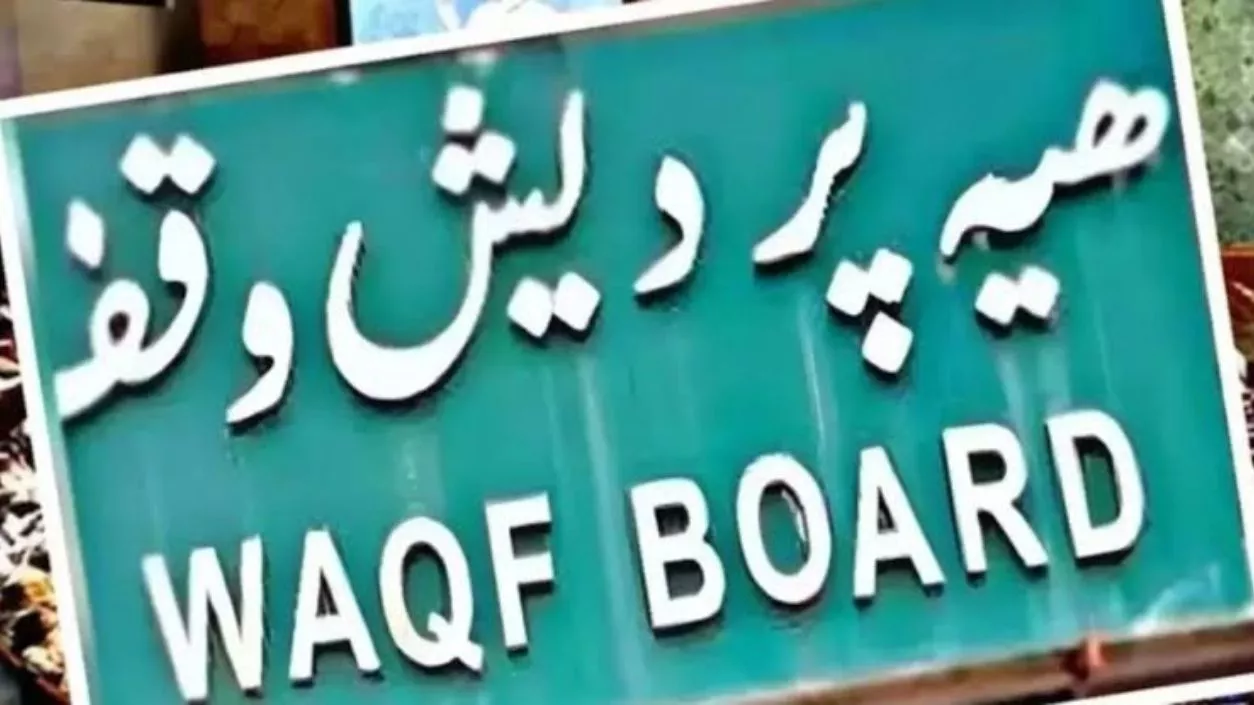
More than 31,000 properties registered as Waqf in Uttar Pradesh have been removed from the Centre’s Umeed portal after authorities detected discrepancies and technical inconsistencies during a statewide verification exercise. Officials said registrations of 31,328 Waqf properties were cancelled following scrutiny of land documents, ownership details and revenue records. Waqf claims linked to 31,192 of those properties were also rejected after verification.
Authorities said the action was taken as part of an ongoing review of Waqf records across Uttar Pradesh, where a total of 1,18,302 Waqf properties have been documented. During the verification process, officials allegedly found widespread irregularities while cross-checking land and revenue records connected to the registered properties.
According to officials, several applications contained Khasra or plot numbers that did not match records maintained by the Waqf Board. Investigators also identified discrepancies in the land area mentioned in submitted revenue documents, raising questions over the accuracy of several registrations uploaded on the portal.
The Umeed portal, or Unified Waqf Management, Empowerment, Efficiency and Development portal, was launched by the Centre to digitise and geotag Waqf properties across the country. The platform is intended to create a centralised digital inventory of Waqf assets and improve transparency in their management. Under the rules, all Waqf properties are required to be uploaded to the portal within six months of its launch.
The verification exercise comes amid ongoing legal and political debate over the amended Waqf law and mandatory digital registration requirements. The Supreme Court recently declined to extend the deadline for uploading property details on the portal and observed that affected parties could approach Waqf Tribunals in cases involving technical or documentation-related difficulties. Officials said scrutiny of records is continuing across districts, and disputed claims may be referred to Waqf Tribunals for further examination.







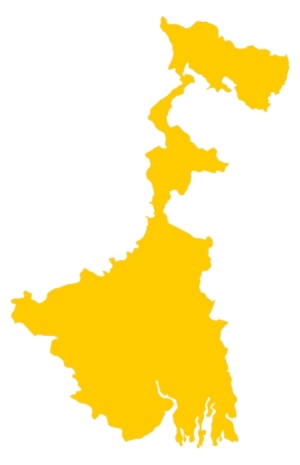 West Bengal
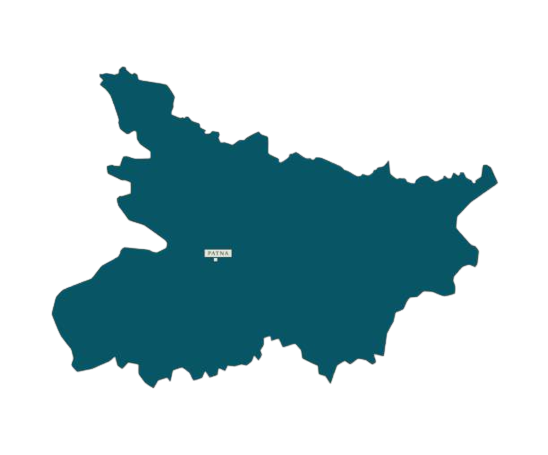 Bihar
Bihar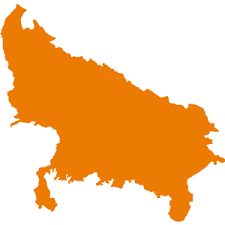 Uttar Pradesh
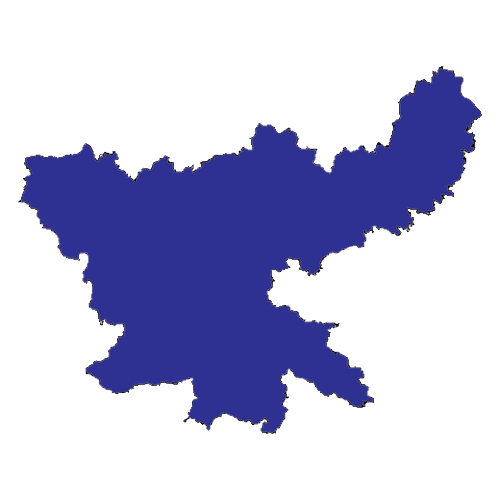 Jharkhand