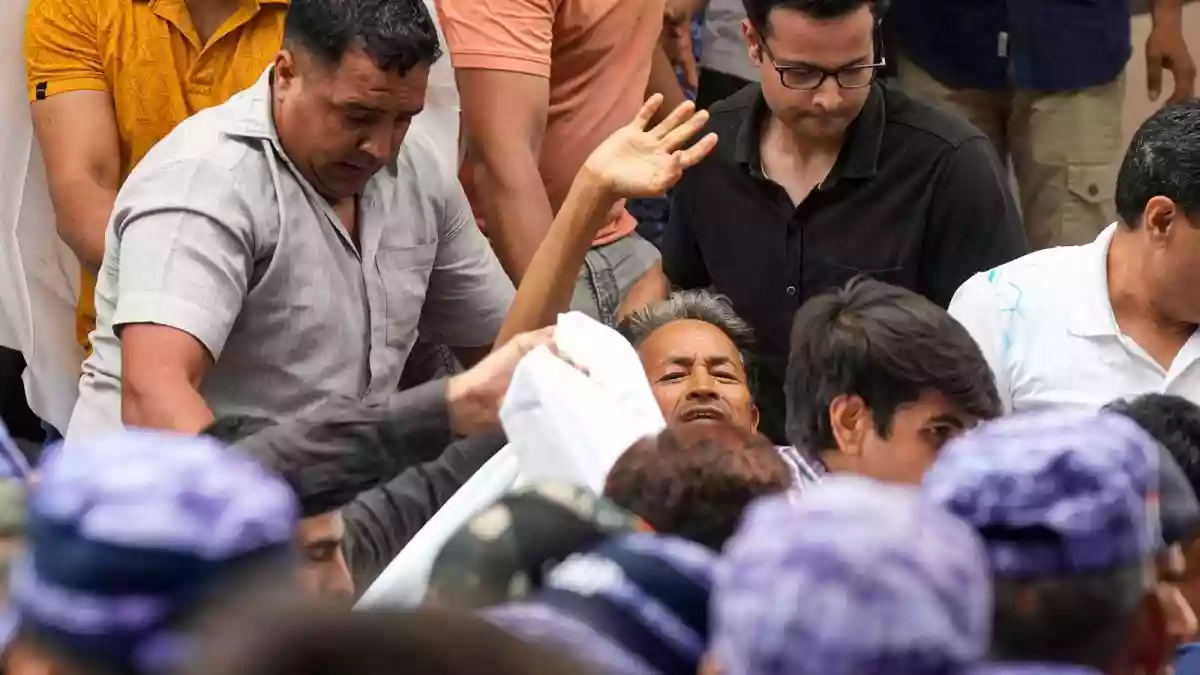
Sonam Wangchuk vows to continue hunger strike as CJP reclaims Jantar Mantar stage
.gif)

Download Mobile App 






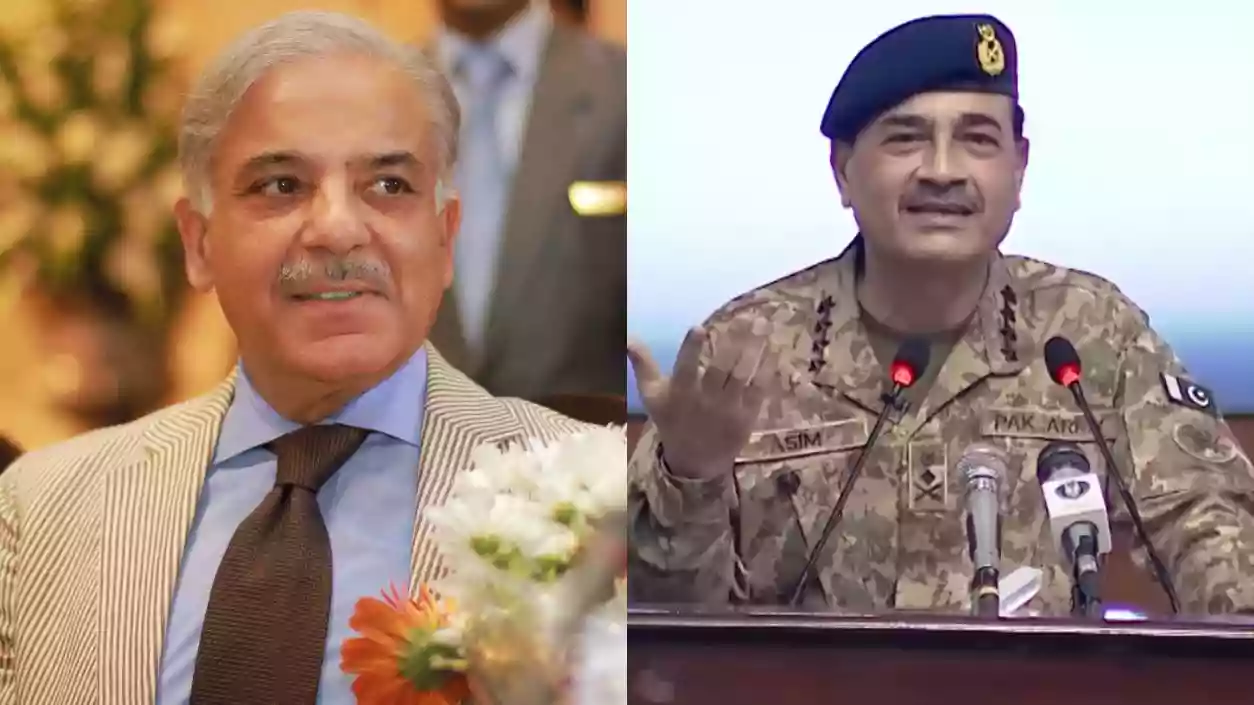
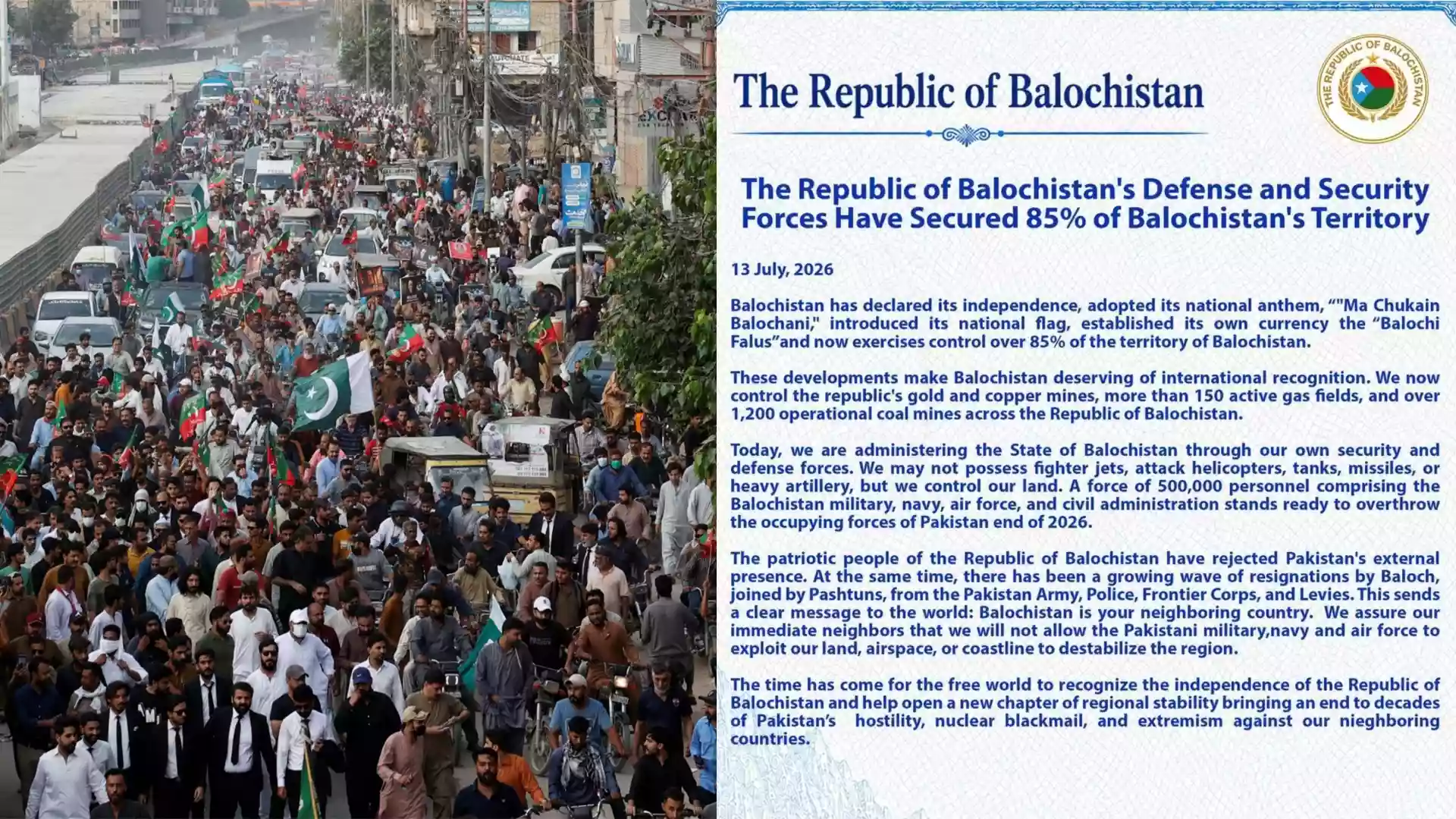
Calls for awarding the Nobel Peace Prize to Pakistan Prime Minister Shehbaz Sharif and Field Marshal Asim Munir have emerged from sections of Pakistani media, business groups, and social activists following a reported role in facilitating a temporary ceasefire between the United States and Iran. The demand comes after claims that Pakistan helped mediate a two-week pause in hostilities, which has been projected domestically as a significant diplomatic achievement.
The development follows statements indicating that discussions involving Pakistan’s leadership contributed to a delay in potential escalation, with Islamabad also offering to host further talks. Supporters within Pakistan have described the move as a major step towards global stability, with some even suggesting it helped avert a larger conflict in the region. The narrative has gained traction across various platforms, portraying the country’s leadership as key actors in easing tensions.
However, questions remain over the extent and impact of this involvement. The ceasefire in question is limited to a short duration of two weeks and does not represent a long-term agreement or resolution to the broader geopolitical tensions involving Iran, the United States, and other regional players. Analysts point out that the situation remains fluid, with no formal peace framework or binding treaty in place.
The demand for international recognition has therefore sparked debate, as the Nobel Peace Prize has historically been awarded for sustained peace efforts or landmark agreements. While the developments are being highlighted as a diplomatic success within Pakistan, the broader global assessment of its significance and long-term impact is yet to be clearly established.






.webp)

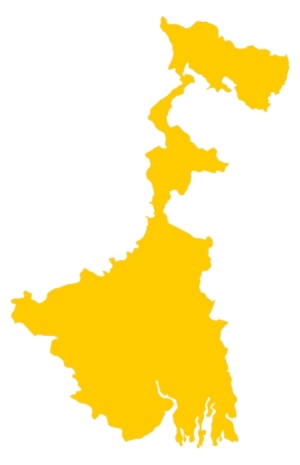 West Bengal
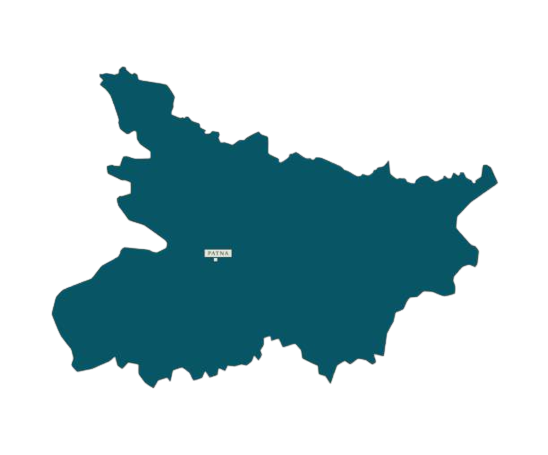 Bihar
Bihar Uttar Pradesh
 Jharkhand