
West Indies cricket legend Gary Sobers passes away; was first to smash 6 sixes in 6 balls
.gif)

Download Mobile App 






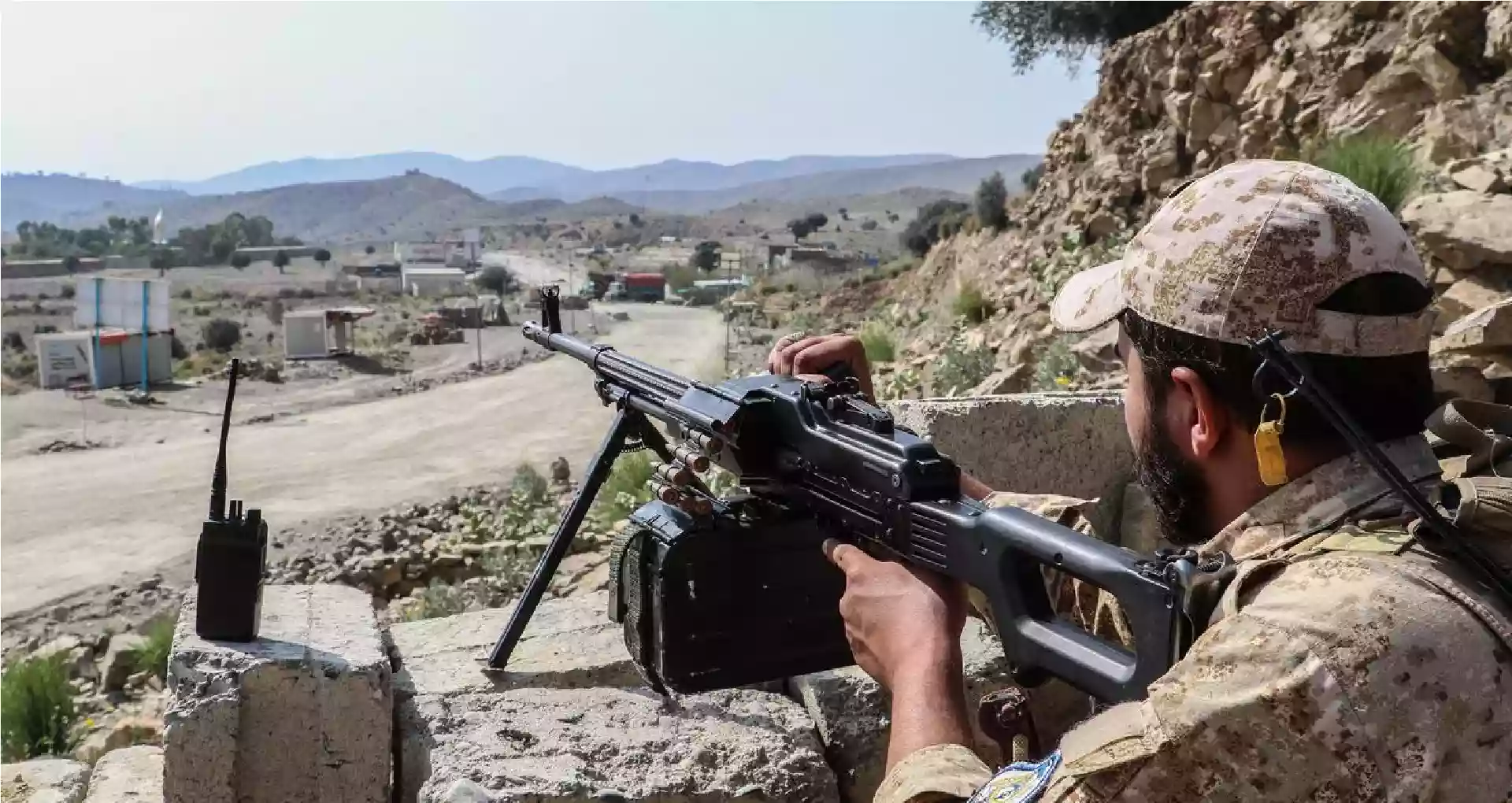
Tensions between Pakistan and Afghanistan boiled when the Afghan Taliban government accused Pakistani forces of launching deadly airstrikes across the border, killing at least 10 civilians including nine children and a woman, while injuring four others in the eastern provinces of Khost, Kunar, and Paktika provinces. The strikes, which started around today midnight, destroyed civilian homes in Khost's Gerbzwo district, according to Taliban spokesman Zabihullah Mujahid. This comes amid a surge in cross-border violence, with Pakistan's military reporting a separate operation in its Bannu district that eliminated 22 militants from what they call "Khawarij" extremist groups, allegedly backed by foreign agents.
The conflicting accounts highlight the fragile peace along the Durand Line, where accusations of harboring insurgents have fueled deadly exchanges since the Taliban's 2021 regime takeover. Pakistan's Inter-Services Public Relations (ISPR) described the Bannu raid as a successful intelligence-based strike under the "Azm-e-Istehkam" counterterrorism campaign, which aims to dismantle militant networks operating from Afghan soil—a claim Kabul firmly denies. Mujahid condemned the alleged airstrikes as an "invasion," vowing that such actions would not go unanswered, while Pakistan has yet to respond directly to the civilian death toll.
Yesterday, three suicide bombers attacked a paramilitary base in Peshawar, killing three security personnel and injuring five, adding to the mounting pressure on both sides. A fragile ceasefire brokered in Doha last month collapsed during talks in Türkiye over disagreements on groups like the Tehrik-i-Taliban Pakistan (TTP), making this the deadliest flare-up in years. As sanitization operations continue in Bannu to flush out any remaining fighters, regional experts warn that without renewed diplomacy, these incidents could spiral into broader conflict, displacing communities and straining already tense relations. Pakistan's push to unify military and civilian efforts against insurgents reflects a broader strategy to secure its borders, but the human cost on the Afghan side—especially among children—has drawn sharp international scrutiny. Both nations now face calls to de-escalate and return to the negotiating table to prevent further tragedy along this volatile frontier.





.webp)
.webp)

.webp)

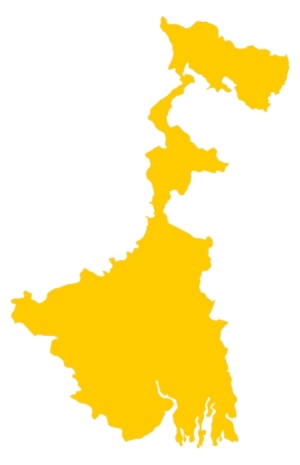 West Bengal
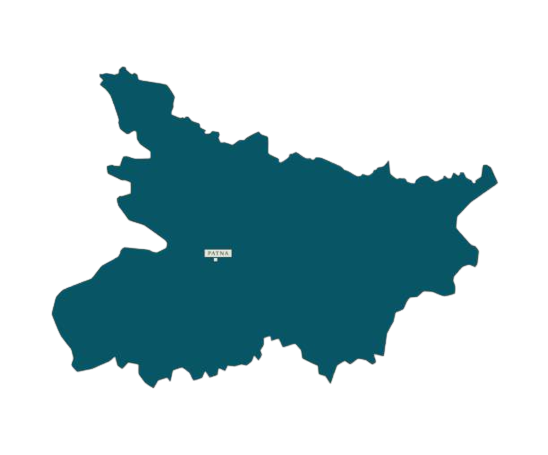 Bihar
Bihar Uttar Pradesh
 Jharkhand