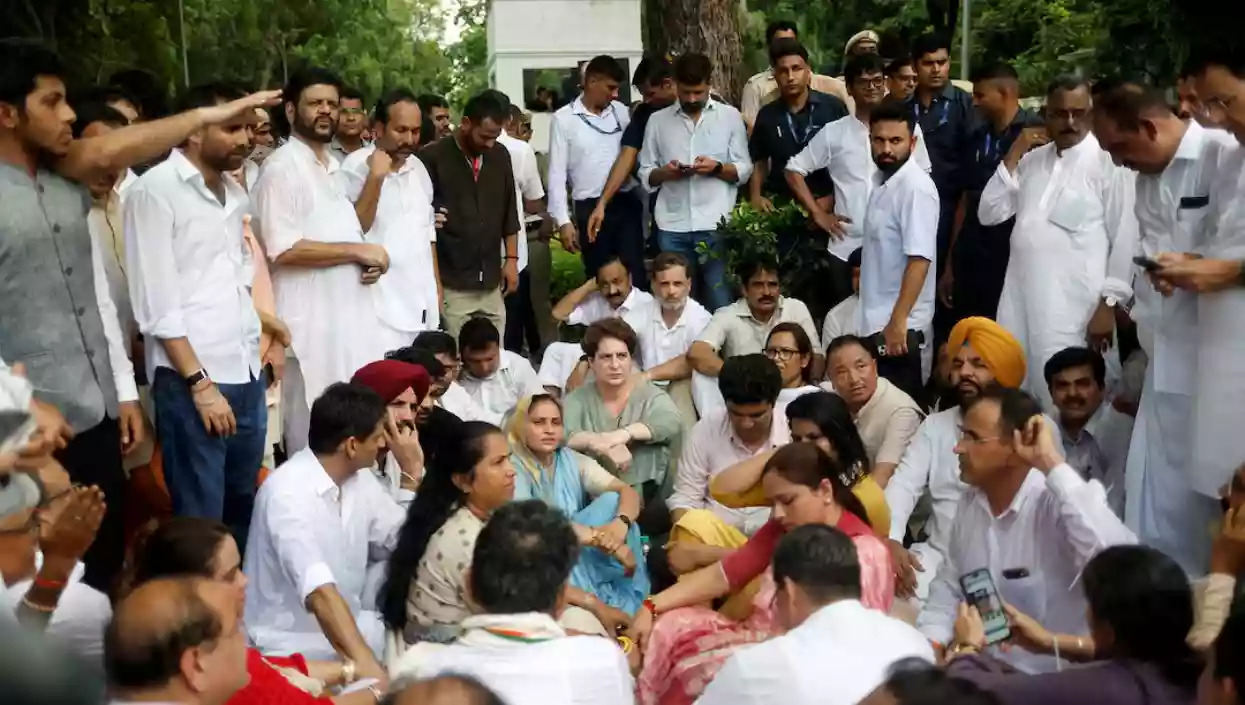
Police removes Rahul, Priyanka, other Congress leaders from dharna site near PM Modi's residence
.gif)

Download Mobile App 






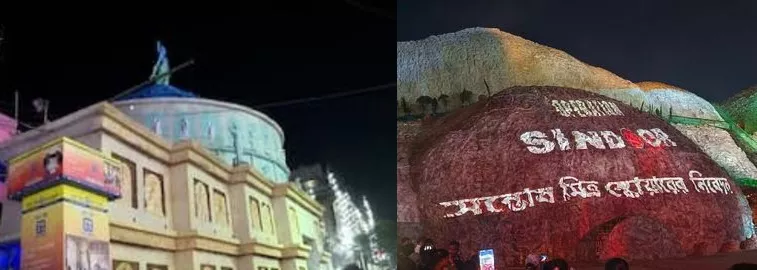
As the vibrant spirit of Durga Puja 2025 sweeps through Kolkata, a surprising twist has emerged from the heart of the city's cultural hubs. Mohammad Ali Park, a beloved landmark known for its grand celebrations, has made headlines by completely shutting down its pandal to public entry this year. The decision, announced amid rising concerns over crowd management and safety, comes as organizers cite overwhelming attendance from previous years that led to chaotic scenes and even minor stampedes. This bold move isn't just about one venue—it's a wake-up call for the entire festival ecosystem, highlighting the delicate balance between tradition and modern-day logistics in India's biggest street festival.
With over 4,000 pandals dotting the city, Mohammad Ali Park's stand has ignited debates on sustainability, drawing both criticism and unexpected allies in the Puja fraternity. At the center of this controversy is Sajal Ghosh, the influential president of the Santosh Mitra Square Sarbojanin Durga Puja Committee, one of Kolkata's most iconic and award-winning pandals. Ghosh, a veteran in the Puja organizing scene with decades of experience, has publicly thrown his weight behind Mohammad Ali Park's decision. Santosh Mitra Square, famous for its artistic themes and eco-friendly initiatives, has pledged logistical support, including sharing resources like security personnel and volunteer networks to help mitigate the fallout. This alliance underscores a growing trend among Puja committees to collaborate rather than compete, especially as the festival grapples with post-pandemic recovery and urban density issues.
The roots of Mohammad Ali Park's shutdown trace back to last year's celebrations, where record footfalls—estimated at over 50,000 daily—pushed the venue to its limits. Organizers reported strained infrastructure, with temporary structures straining under the weight of enthusiastic crowds eager for the ritualistic aarti and cultural performances.
In response, the park's committee has repurposed the space into a "viewing zone" accessible only to a limited number of pre-registered devotees, prioritizing elderly visitors and families. This shift has not only reduced entry points but also incorporated tech-savvy solutions like live-streaming the Puja rituals on community apps, allowing global participation without physical congestion.
Santosh Mitra Square's support extends beyond words; they've already mobilized a joint task force with Mohammad Ali Park to monitor similar risks across nearby pandals. Ghosh revealed in an interview that discussions are underway for a city-wide protocol on crowd control, potentially influencing how the Kolkata Municipal Corporation (KMC) allocates permissions for 2025. This comes at a time when Durga Puja, recognized by UNESCO as an Intangible Cultural Heritage, faces scrutiny over its environmental footprint and inclusivity.
Beyond the immediate drama, this development sheds light on broader challenges plaguing Puja organizers. Rising costs of materials, coupled with stricter government regulations on noise and waste, have squeezed budgets for smaller committees. Mohammad Ali Park, once a modest community effort that grew into a spectacle, now symbolizes the pressures of scaling up without compromising safety. Ghosh's endorsement has inspired at least two other pandals in north Kolkata to explore similar restrictions, fostering a ripple effect that could redefine access norms. As preparations intensify with artisans crafting intricate idols from clay and bamboo, the focus shifts from grandeur to guardianship—ensuring that the goddess's homecoming remains a celebration of life, not a logistical nightmare.
Looking ahead to the five-day extravaganza, all eyes are on how this solidarity plays out. Sajal Ghosh remain optimistic, urging pandal-hoppers to embrace the change with the same zeal they bring to dhunuchi dances. In a city where Puja is more than religion—it's a symphony of lights, sounds, and shared stories—this episode reminds us that evolution is key to enduring traditions. As the first beats of dhak drums echo through the streets, Mohammad Ali Park's quiet stand might just harmonize the festival's chaotic rhythm for generations to come.





.webp)

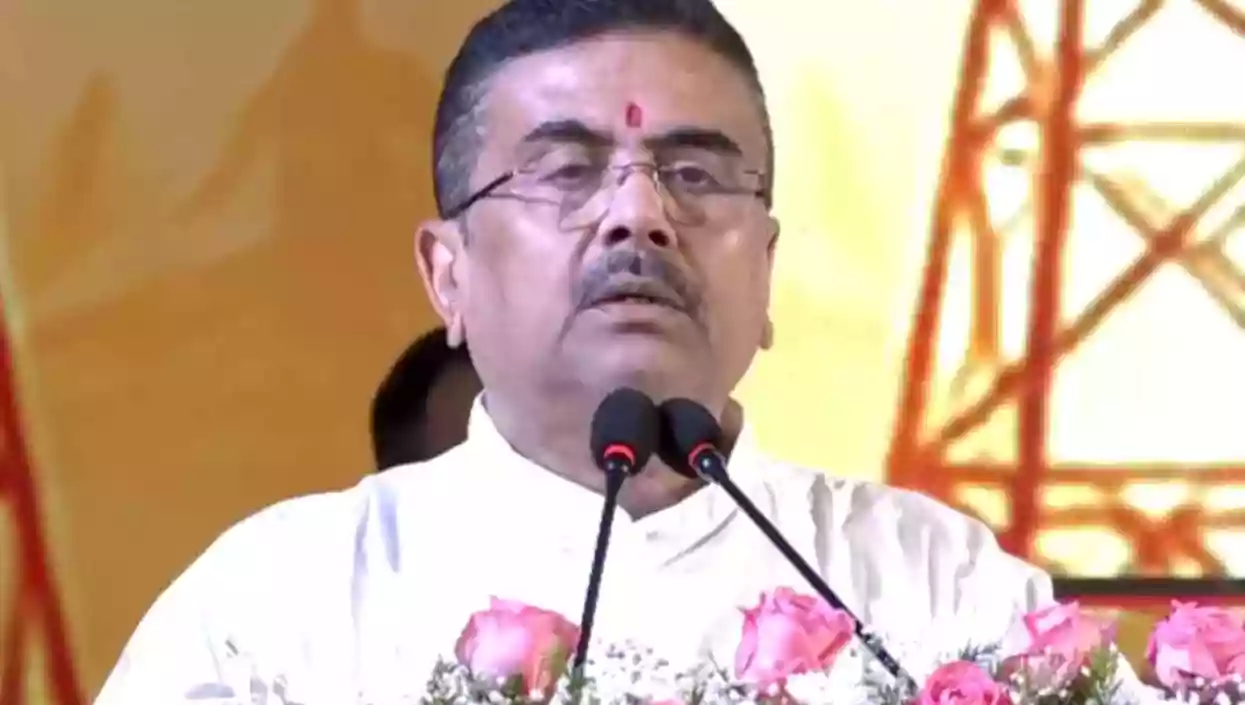

 West Bengal
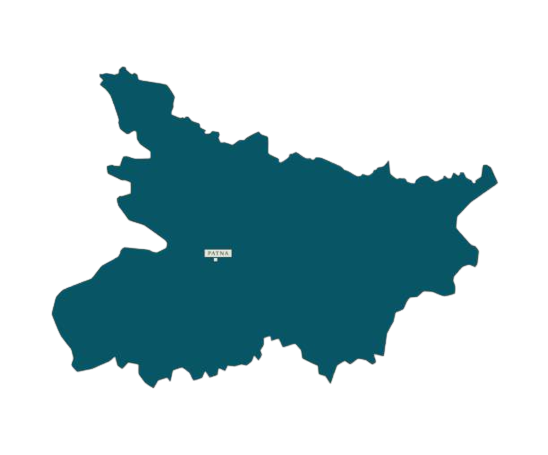 Bihar
Bihar Uttar Pradesh
 Jharkhand