.gif)

Download Mobile App 






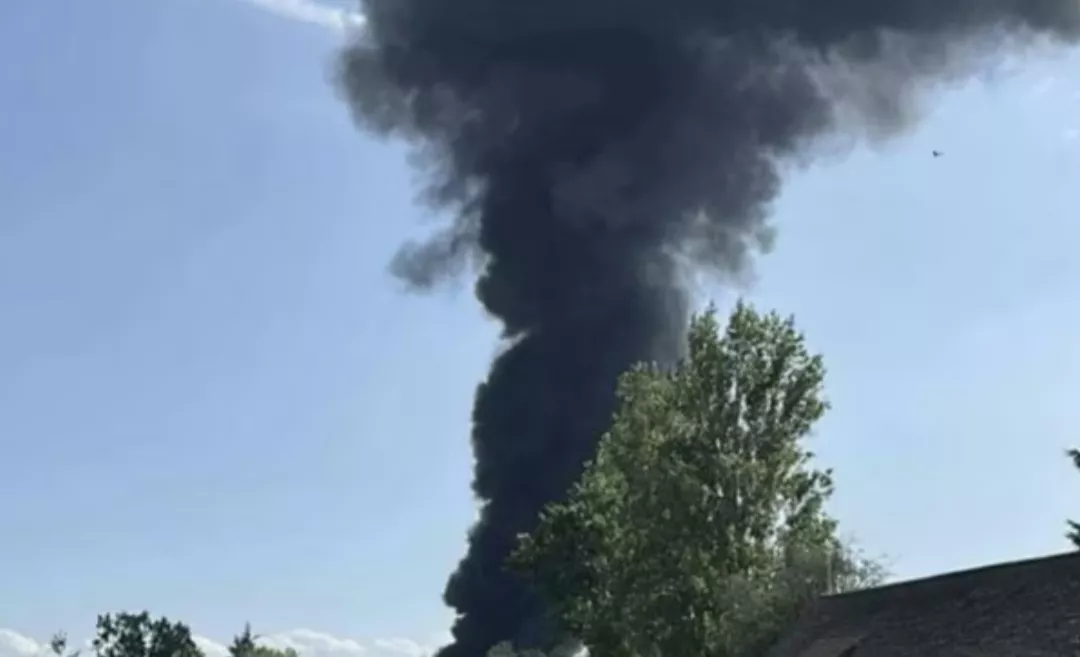
A small aircraft crashed at London Southend Airport on England's southeast coast on Sunday afternoon, triggering a large-scale emergency response and causing significant disruption, including flight cancellations. Authorities have confirmed the incident, which saw a 12-meter general aviation plane catch fire, leading to a substantial deployment of emergency services and a plea for the public to avoid the area.
Essex Police were alerted shortly before 4 pm (BST) to reports of the aircraft on fire at the site in Southend-on-Sea. A police spokesperson confirmed their continued presence at the scene of the "serious incident," indicating that emergency operations would extend for several hours as they manage the situation and investigate the cause.
The East of England Ambulance Service responded promptly, dispatching four emergency crews to the crash site. These included a rapid response vehicle, a hazardous area response team, and a senior paramedic, highlighting the severity of the incident and the comprehensive medical support deployed to the scene.
Further enhancing the emergency response, the Essex County Fire and Rescue Service also deployed multiple crews. Firefighters from Southend (two units), Rayleigh Weir, and Basildon (two units), along with specialized off-road vehicles from Billericay and Chelmsford, were on site to tackle the fire and ensure public safety.
A spokesperson from London Southend Airport confirmed the nature of the incident, stating that it involved a general aviation aircraft. The airport emphasized its close collaboration with local authorities and assured that more information would be provided "as soon as possible" as the investigation progresses.
The immediate aftermath of the crash led to a significant operational impact, with at least four scheduled flights on Sunday afternoon being cancelled, according to the airport's website. As of now, authorities have not disclosed information regarding the number of people on board the aircraft or their condition, maintaining a tight lid on details while emergency operations are active.











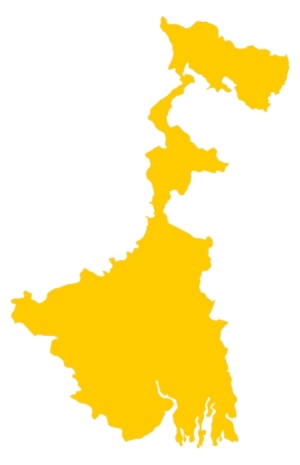 West Bengal
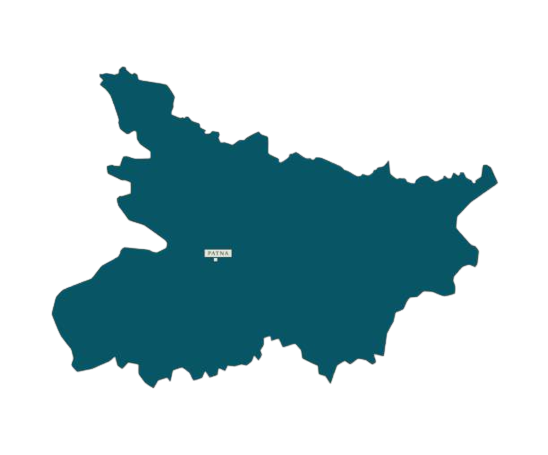 Bihar
Bihar Uttar Pradesh
 Jharkhand