
Lovlina Borgohain assures CWG medal for India ahead of opening ceremony, qualifies for SF
.gif)

Download Mobile App 






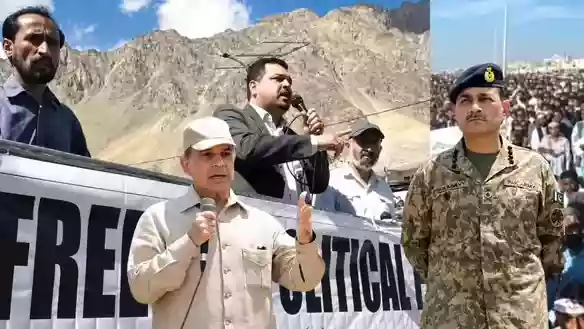
The ongoing civil unrest in Pakistan-occupied Kashmir (PoK) has escalated into a direct political confrontation between local activist groups and Islamabad's central military establishment. During a massive public rally held recently in Rawalakot, senior leaders of the Jammu Kashmir Joint Awami Action Committee (JAAC) and allied Awami Action Committees launched an unprecedented verbal offensive against the Pakistani military. Local leaders openly accused the military regime of executing a deliberate economic blockade, choking vital food supplies, exploiting regional natural resources, and violently suppressing peaceful dissent through indiscriminate firing incidents that have previously resulted in multiple civilian casualties.
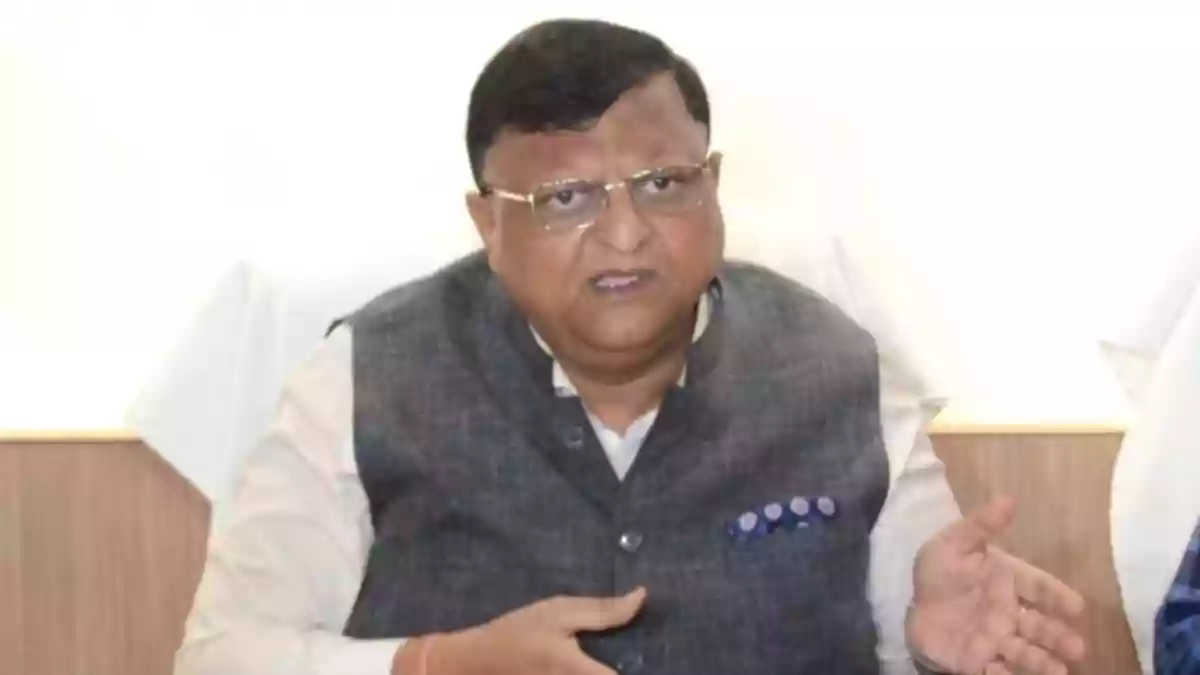
The latest wave of anger was triggered by a fierce public address from prominent JAAC leader Sardar Aman, who accused Pakistan's Army Chief, Asim Munir, and the administrative machinery of using starvation as a weapon of war to break the population's resolve. Aman explicitly alleged that the military hierarchy is withholding essential grains, wheat flour, and emergency rations to forcefully dismantle the protest camps. In a bold geopolitical ultimatum that has deeply unnerved Islamabad, the JAAC leader warned that if Pakistan fails to restore adequate economic supply lines, local populations will bypass Islamabad entirely and demand the reopening of traditional, alternative trade corridors directly into India.
What initially began in early 2024 as an isolated grassroots agitation against skyrocketing electricity tariffs, soaring wheat prices, and discriminatory fiscal policies has now systematically transformed into a broader, revolutionary struggle for systemic self-governance. Although the central Pakistani government was previously forced to announce emergency financial relief measures—including temporary electricity price cuts and wheat subsidies—to clear thousands of demonstrators from the highways, PoK's regional leaders maintain that the structural roots of their marginalization remain completely unaddressed by the state.
The ideological core of the movement has rapidly expanded past mere financial concessions to demand comprehensive political representation, absolute local custody over regional water and energy resources, and a complete re-evaluation of PoK’s constitutional relationship with Pakistan. Protesters are increasingly questioning the legal authority of Islamabad's administrative oversight, asserting that the state has systematically stifled the region's economic potential for decades. The explicit public threat to look toward India for alternative commercial trade routes mirrors a deep-seated and growing disillusionment with Pakistan's heavy-handed military governance.

.webp)

.webp)

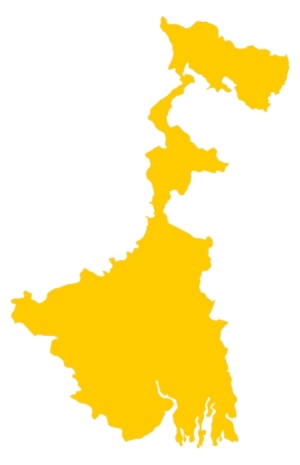 West Bengal
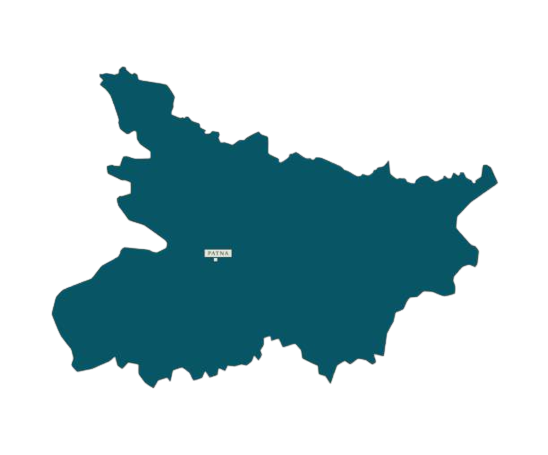 Bihar
Bihar Uttar Pradesh
 Jharkhand