.gif)

Download Mobile App 






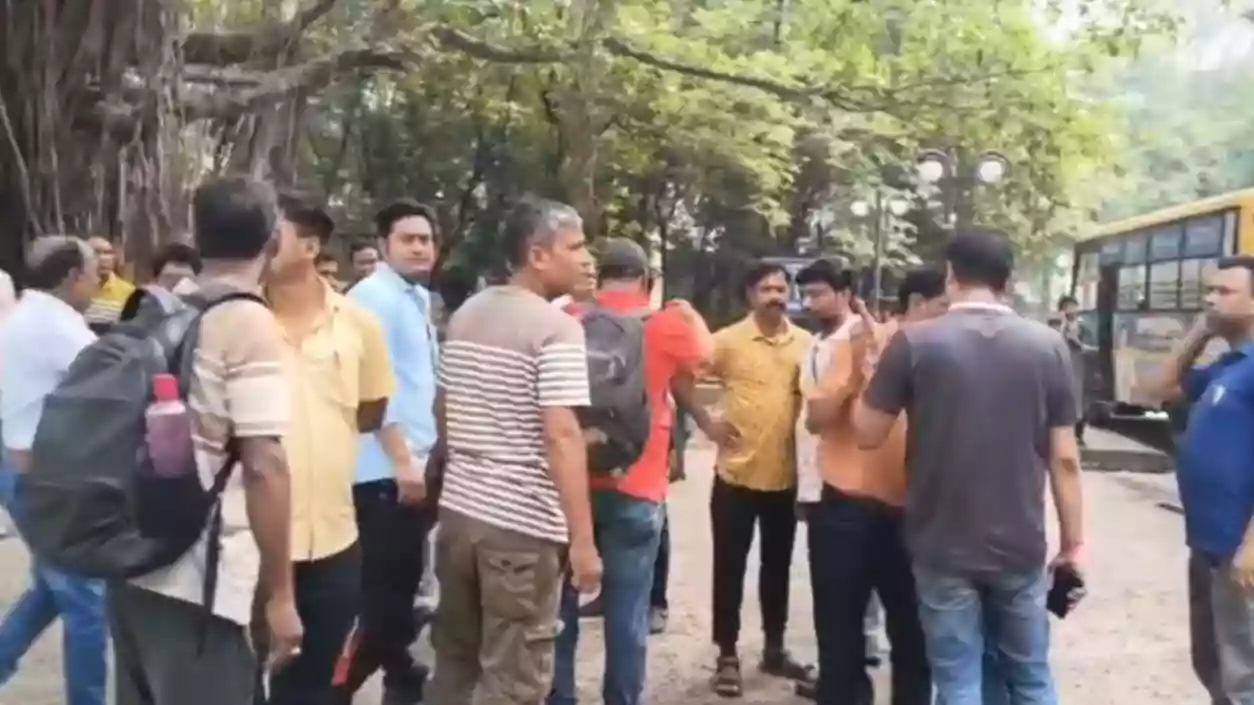
As West Bengal prepares for the second phase of Assembly Election 2026, polling arrangements across 142 constituencies have intensified, with personnel collecting electronic voting machines (EVMs) and voter verifiable paper audit trail (VVPAT) units from designated distribution and collection centres. While most teams moved towards their polling stations with the support of transport and central forces, significant disruption was reported in parts of Durgapur due to a shortage of buses.
In Durgapur, around 4,781 polling personnel from the industrial belt were scheduled to report to various district-level centres. However, the unavailability of adequate buses at the City Centre bus terminal led to delays and confusion. Many polling staff were unable to reach their reporting centres on time, prompting frustration and a sit-in protest by a section of personnel who alleged poor logistical planning.
Officials stated that the situation caused temporary tension at the bus stand area as polling staff questioned how they would fulfil their election duties without proper transport arrangements. After considerable delay, additional buses were arranged and the situation gradually returned to normal. Authorities are now reviewing the transport coordination process to prevent similar disruptions.
Meanwhile, in the Sundarbans region, election logistics followed a different route, with polling materials being transported via boats and launches due to the area’s riverine geography and limited road connectivity. Polling personnel were dispatched from sector offices to remote booths across islands and villages, highlighting the complex logistical challenges of conducting elections in geographically difficult regions.





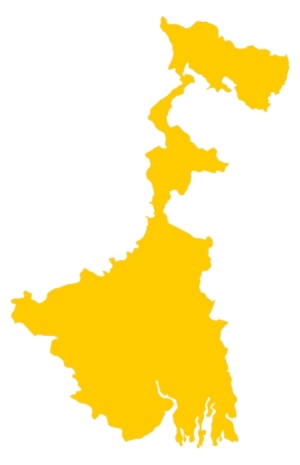 West Bengal
 Bihar
Bihar Uttar Pradesh
 Jharkhand