
Abhishek slaps 10-crore defamation notice on Madan Mitra over 'murderer' jibe
.gif)

Download Mobile App 






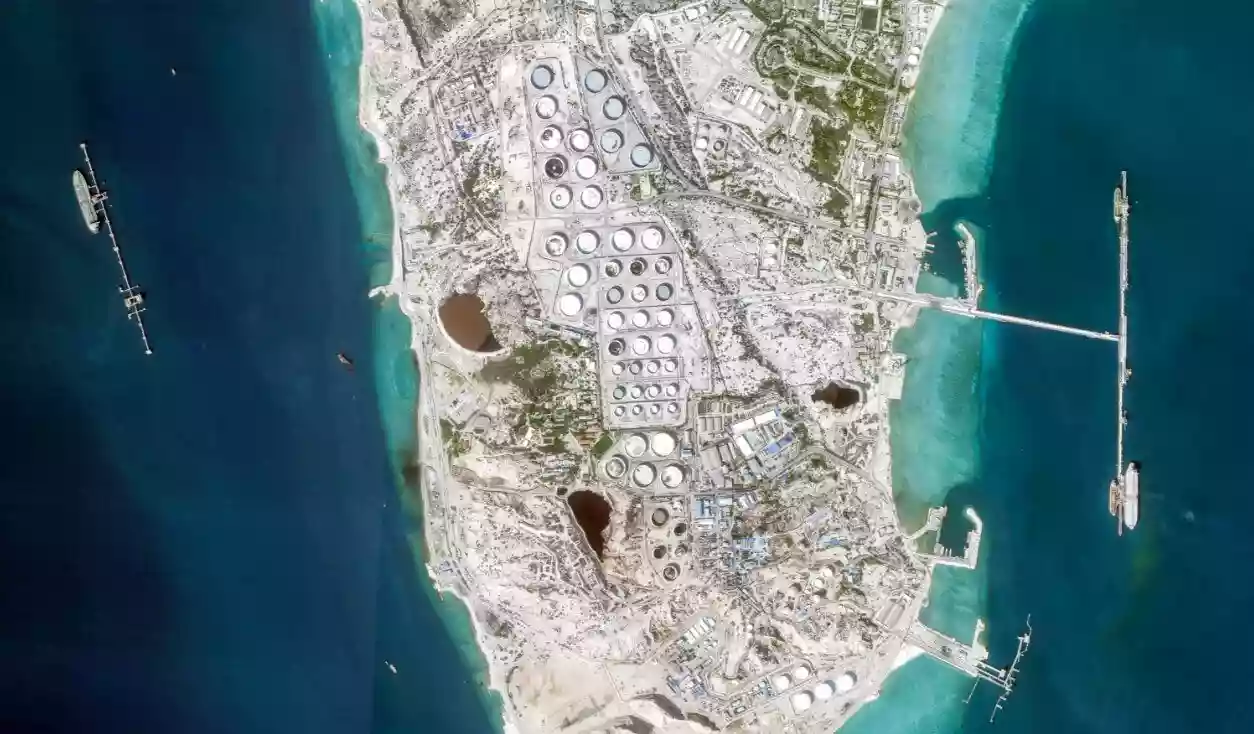
Tehran is facing a mounting energy crisis as intensified U.S. maritime blockades continue to choke Iranian oil exports, forcing the country to scramble for emergency storage solutions. Kharg Island, the vital backbone of Iran's oil economy—responsible for handling nearly 90 percent of its crude exports—is rapidly approaching its maximum onshore storage capacity. With outbound shipments severely disrupted, the accumulation of unsold crude has created a dangerous supply-demand mismatch that threatens to force a complete shutdown of oil wells across the country.
To mitigate this bottleneck, authorities have initiated a desperate plan to expand storage by reactivating the M/T Nasha, a 30-year-old Very Large Crude Carrier (VLCC) that had been largely inactive for years. By repurposing this aging "ghost ship" as floating storage, Iran hopes to hold excess crude offshore to prevent the terminal from reaching total saturation. Maritime analysts report that while onshore facilities have only about 13 million barrels of spare capacity remaining, the daily inflow of roughly 1.0 to 1.1 million barrels is pushing the infrastructure toward a breaking point within mere weeks.
However, experts warn that this floating storage solution is both costly and temporary, offering little relief against the systemic pressure of a persistent maritime blockade. Kharg Island’s deep-water terminal processes crude from critical fields like Aboozar, Forouzan, and Dorood; any forced production halt here could lead to irreversible damage to these reservoirs. As Tehran struggles to balance economic survival with logistical limits, the continued squeeze on its export pathways highlights the growing effectiveness of the U.S. "maximum pressure" campaign on Iran's revenue lifelines.





.webp)

.webp)


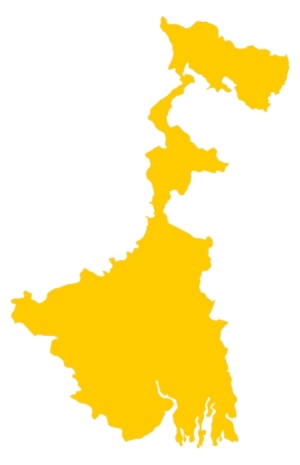 West Bengal
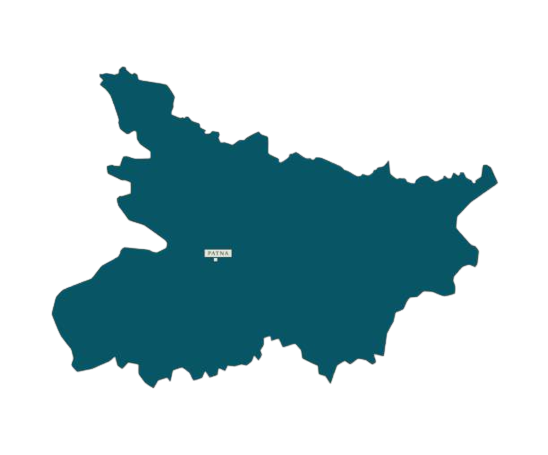 Bihar
Bihar Uttar Pradesh
 Jharkhand