.webp)
Madan gives Mamata 1 month deadline to leave Abhishek and join "real Trinamool"
.gif)

Download Mobile App 






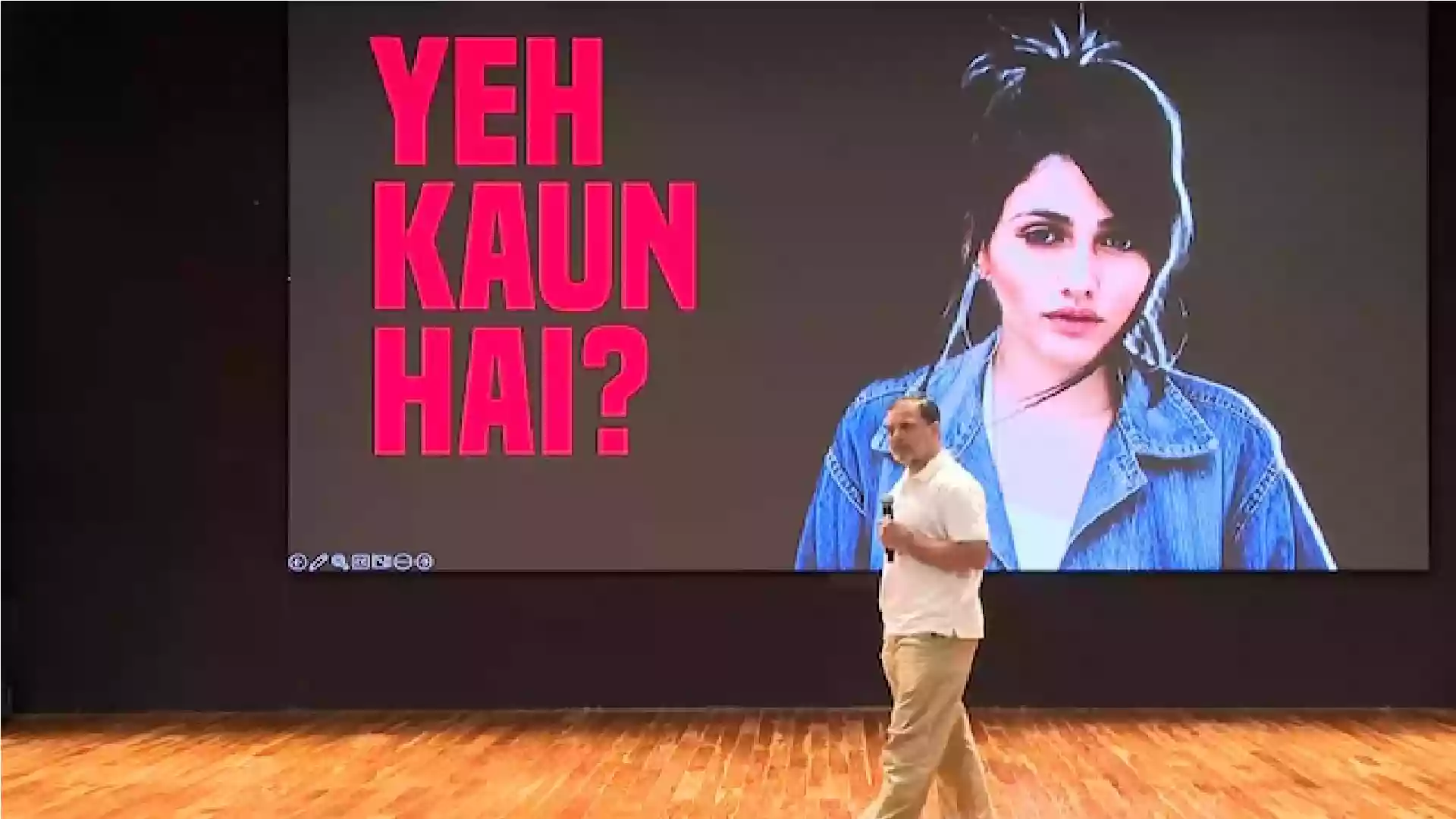
In a press conference today, Rahul Gandhi unleashed his self-dubbed "Hydrogen Bomb", accusing the system of orchestrating a brazen theft of 25 lakh votes in last year's Haryana Assembly elections—a staggering 12.5% of the state's 2 crores electorate, enough to flip a predicted Congress landslide into a BJP triumph. Flanked by charts and visuals, the Lok Sabha Opposition Leader laid bare what he called irrefutable evidence of fraud: duplicated voter entries featuring the same stock photo of a Brazilian model voted 22 times across lists under aliases like Sweety, Seema, and Saraswati, enabling phantom ballots from unauthorized outsiders.
This wasn't abstract; Gandhi spotlighted how Congress candidates lost eight seats by a razor-thin 22,779 votes total—one by a mere 32—while exit polls screamed victory for his party, only for postal votes to bizarrely buck booth trends for the first time in Haryana's history, all amid whispers of deleted 3.5 lakh legitimate names and shredded CCTV footage.Gandhi's salvo didn't stop at numbers; he zeroed in on a leaked video of BJP Chief Minister Nayab Singh Saini gloating two days post-polls about "arrangements" that defied predictions, framing it as proof of a premeditated plot to subvert democracy. "I'm questioning the Election Commission with 100% proof," he thundered, slamming the poll body for ignoring duplicates that could be purged "in a second" yet choosing inaction to aid the ruling party.
From interstate interlopers slipping into booths to identical photos recycling like counterfeit cash, Gandhi painted a picture of systemic sabotage, urging a full probe into how a Congress sweep morphed into defeat, his voice a mix of righteous fury and weary resolve that echoed the frustrations of millions doubting the ballot's sanctity. The BJP fired back swiftly, with Union Minister Kiren Rijiju branding the claims as fake issues and a desperate pivot from Bihar's polls, insisting discrepancies between predictions and results are routine and that Gandhi's youth-stirring rhetoric masks opposition impotence. As this electoral earthquake reverberates, it threatens to deepen rifts ahead of future battles, forcing a reckoning on voter verification's vulnerabilities and reminding us that when trust erodes in the vote, no amount of ink on fingers can restore the democracy's glow.




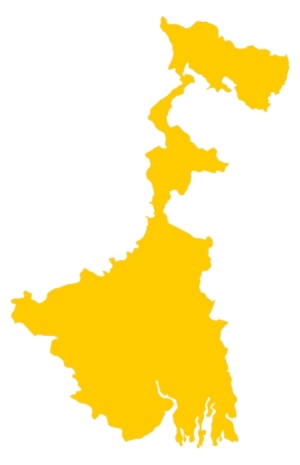 West Bengal
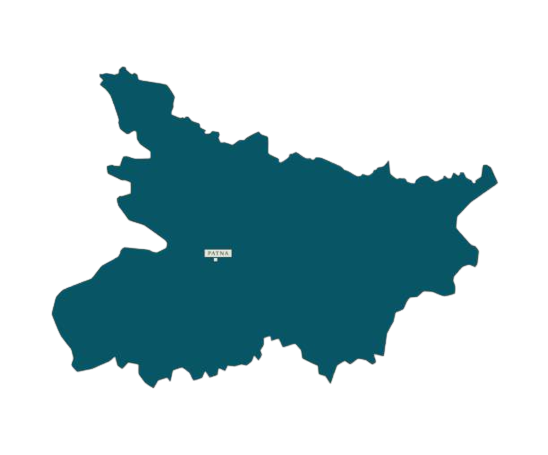 Bihar
Bihar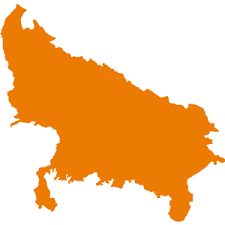 Uttar Pradesh
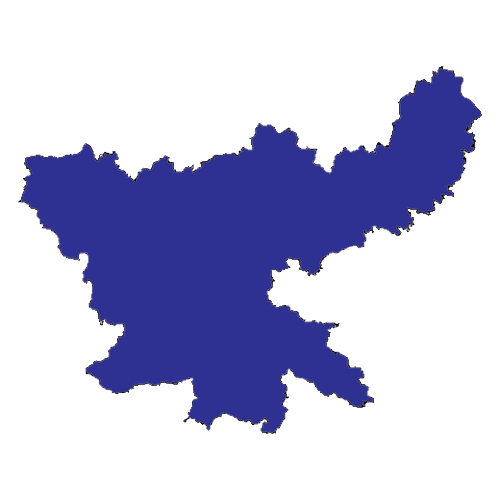 Jharkhand