.gif)

Download Mobile App 






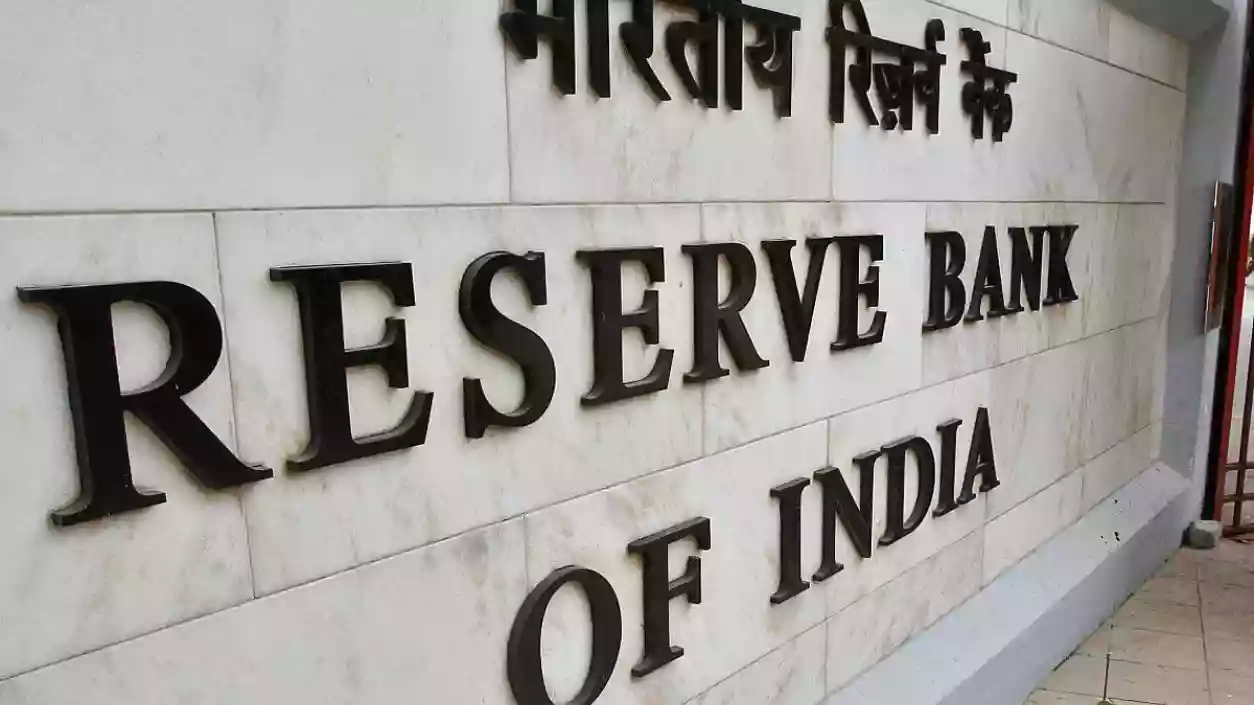
The Centre has rejected claims that the Reserve Bank of India sold gold to support the country’s foreign exchange reserves, stating that both the value and share of gold in India’s forex reserves have increased in recent months. The clarification came after reports citing an assessment that the RBI may have sold gold worth approximately $12 billion while purchasing foreign currency assets.
According to the government’s clarification, the share of gold in India’s foreign exchange reserves rose from 13.92 per cent at the end of September 2025 to 16.70 per cent on March 31, 2026, and further to 16.85 per cent as of May 22, 2026. The government also pointed out that the RBI regularly discloses information regarding its gold holdings through its Monthly Bulletin and advised people to rely on official RBI data for accurate information.
The RBI separately stated that reports suggesting it had sold gold were incorrect. The central bank said its physical stock of gold remains unchanged at 880.52 tonnes. In its statement, the RBI said it had taken note of reports published in sections of the media regarding an alleged sale of gold and emphasised that such reports were not correct.
The controversy followed an assessment by a Bloomberg Economics economist, who estimated that the RBI sold around $12 billion worth of gold during the two weeks leading up to May 22 while simultaneously purchasing approximately $7.5 billion in foreign-currency assets. The Centre and the RBI both disputed the assessment, citing official reserve and gold holding data.
Separately, the RBI recently released data showing changes in the composition of bank deposits over the past several years. According to the data, the share of savings deposits in aggregate bank deposits declined to 28.7 per cent in March 2026 from 34.6 per cent in March 2022, while the share of term deposits increased from 55.2 per cent to 61.6 per cent during the same period. The data indicated a shift by depositors towards higher-return term deposit products.





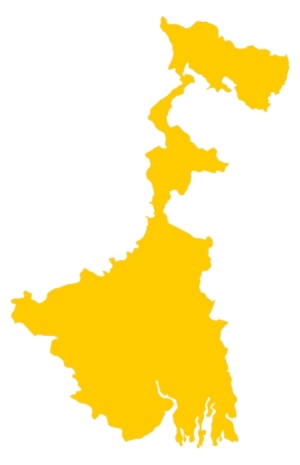 West Bengal
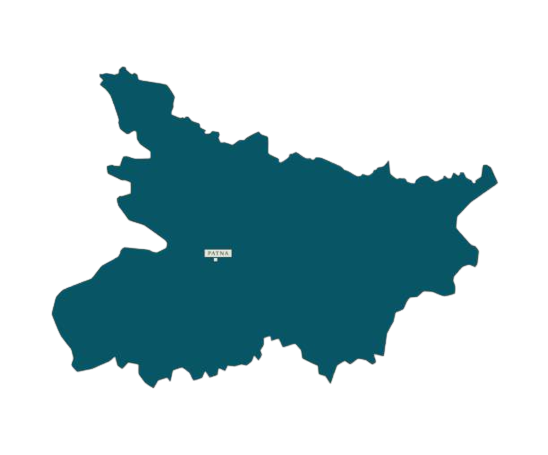 Bihar
Bihar Uttar Pradesh
 Jharkhand