.gif)

Download Mobile App 






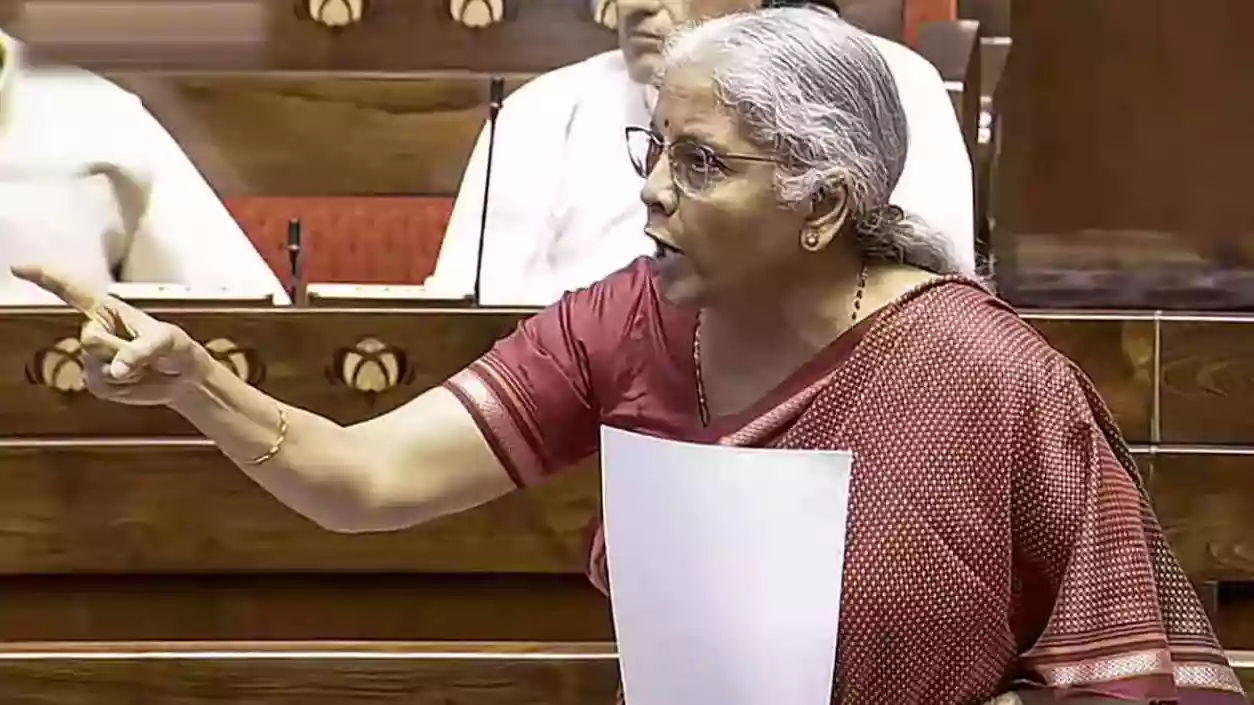
A sharp political exchange erupted in the Lok Sabha over the recent depreciation of the Indian rupee, with the government and opposition clashing over its causes and implications. The debate intensified after opposition leaders linked the currency’s fall to domestic political factors, while the government attributed it to global economic pressures.
During the Budget Session, Samajwadi Party MP Dharmendra Yadav criticised the government’s handling of the economy, claiming that the rupee’s decline reflected falling public confidence. He remarked that the Prime Minister’s popularity and the value of the rupee were both decreasing, triggering a strong response from the treasury benches.
Finance Minister Nirmala Sitharaman rejected the criticism, asserting that the Indian economy remains strong and stable. She stated that the rupee is “doing fine” and emphasised that its movement is largely influenced by external factors such as the strengthening US dollar and ongoing geopolitical tensions in West Asia, rather than domestic mismanagement.
Highlighting government measures, Sitharaman said fuel prices have remained stable despite global volatility, supported by earlier reductions in excise duty. She also pointed to the recently passed Finance Bill 2026 as an indication of fiscal stability, with the government maintaining its commitment to reducing the fiscal deficit in the coming financial year.
The discussion comes amid significant market developments, including a record outflow of ₹1.14 lakh crore by foreign institutional investors in March. The Reserve Bank of India has also taken steps to curb speculative pressure on the rupee. Despite the political sparring, the government maintains that macroeconomic fundamentals remain resilient.







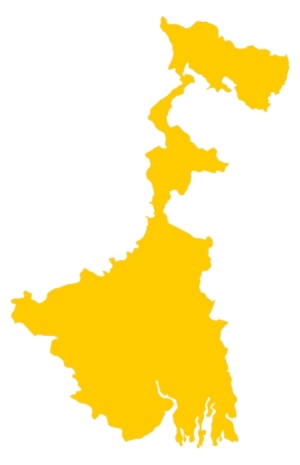 West Bengal
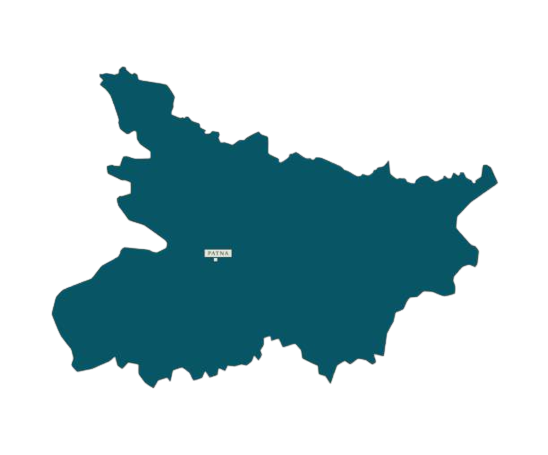 Bihar
Bihar Uttar Pradesh
 Jharkhand