
Abhishek slaps 10-crore defamation notice on Madan Mitra over 'murderer' jibe
.gif)

Download Mobile App 






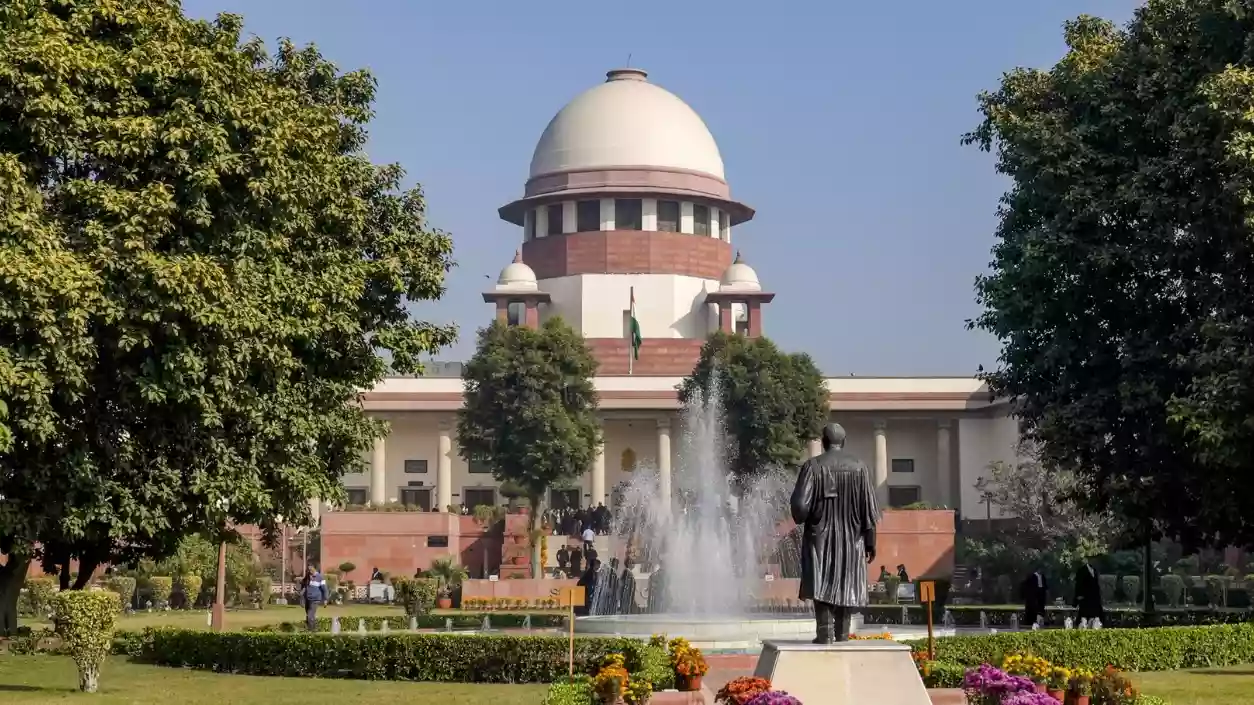
The Supreme Court on Monday issued a series of directions to High Courts across the country for the faster disposal of bail applications, stressing the need to protect personal liberty and reduce delays in hearings. A Bench comprising Chief Justice of India Surya Kant and Justice Joymalya Bagchi directed High Courts and investigating agencies to adopt a collaborative approach for timely disposal of bail matters without affecting the rights of victims.
The court directed High Courts to develop a system of weekly or fortnightly listing of bail matters and suggested automatic relisting every two weeks if cases are not taken up. It further stated that fresh bail applications should ordinarily be listed on alternate days or within one week of filing. The Bench also urged High Courts to prescribe outer timelines for the disposal of bail petitions.
The Supreme Court said casual adjournments should not be granted to Union or state governments in bail matters. It observed that courts have a solemn duty to protect fundamental rights and personal liberty. The Bench also directed that the existing practice of issuing notices at the admission stage in bail cases should be discontinued to avoid unnecessary procedural delays.
To streamline proceedings, the court ordered that status reports must be filed before the first hearing of a bail application. It also made it mandatory for lawyers filing bail pleas to serve advance copies to the office of the Advocate General or designated state agencies. The court stated that bail applications left unheard should be automatically relisted to prevent prolonged pendency.
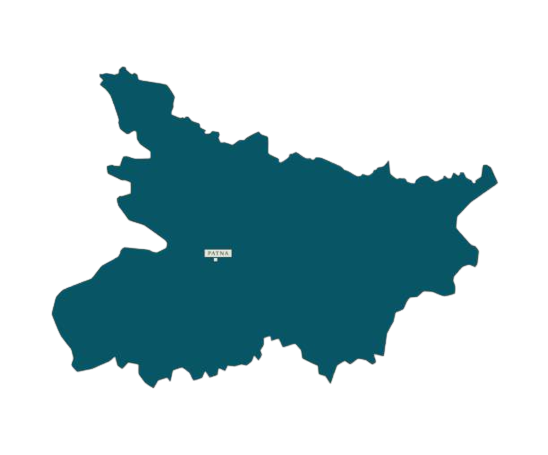
The directions were issued while hearing a matter concerning pending bail applications before the Punjab and Haryana High Court. During the proceedings, the Supreme Court expressed concern over the large pendency of bail matters in some jurisdictions, particularly the Allahabad and Patna High Courts. The court also highlighted delays in forensic reports despite the establishment of forensic science laboratories and directed High Court Chief Justices to coordinate with state authorities to ensure timely submission of such reports.








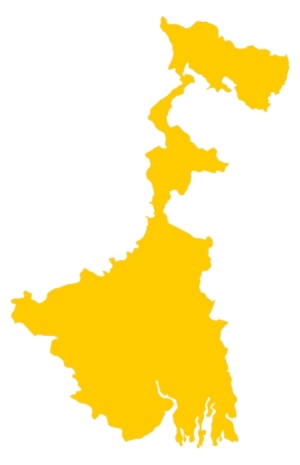 West Bengal
 Bihar
Bihar Uttar Pradesh
 Jharkhand