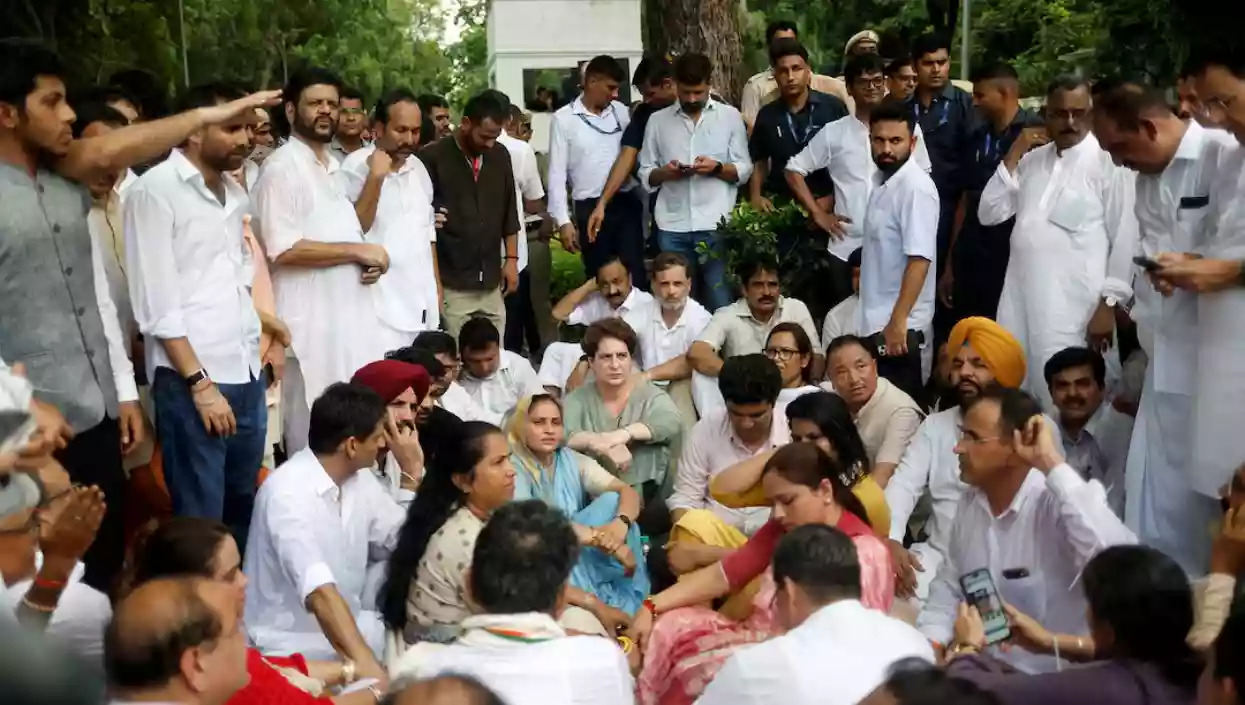
Police removes Rahul, Priyanka, other Congress leaders from dharna site near PM Modi's residence
.gif)

Download Mobile App 







The Supreme Court of India on Monday cautioned against the growing tendency to criminalise consensual live-in relationships upon their breakdown. Presiding over a case involving allegations of rape on the false promise of marriage, a bench led by Justice BV Nagarathna observed that such relationships inherently carry legal uncertainties and vulnerabilities for both partners, as either party is free to walk away at any time.
The Court expressed skepticism regarding the transformation of a long-term consensual relationship into a criminal case of sexual assault merely because the partnership ended. Justice Nagarathna highlighted the distinction between a consensual union and a marital bond, noting that while the Court could empathize with the complainant’s emotional distress, the absence of marriage limits the legal protections available. She remarked that had the parties been married, the woman would have had access to legal remedies like maintenance or charges of bigamy, which are not automatically applicable in non-marital cohabitation.
Crucially, the Supreme Court clarified that while a relationship outside marriage may be termed illegitimate, the rights of the child remain protected. The bench emphasized that "a child cannot be illegitimate" and asserted that the woman could still seek maintenance for the child despite the breakdown of the relationship. Advising both parties to consider mediation, the Court underscored that not every broken promise or failed relationship should be interpreted through the lens of criminal law.





.webp)



 West Bengal
 Bihar
Bihar Uttar Pradesh
 Jharkhand