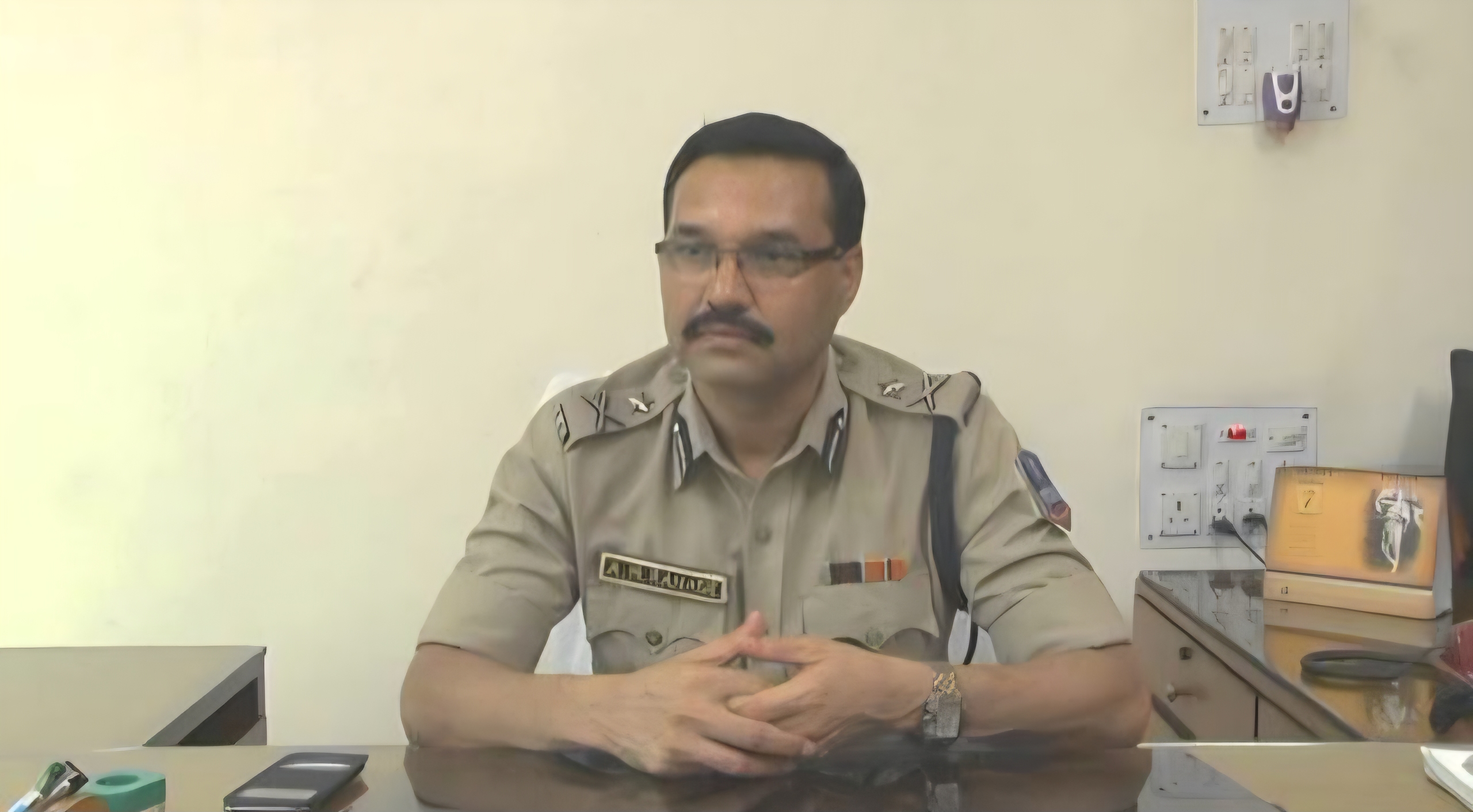
Bengal Govt elevates IPS Ajay Mukund Ranade to DGP (Law and Order)
.gif)

Download Mobile App 






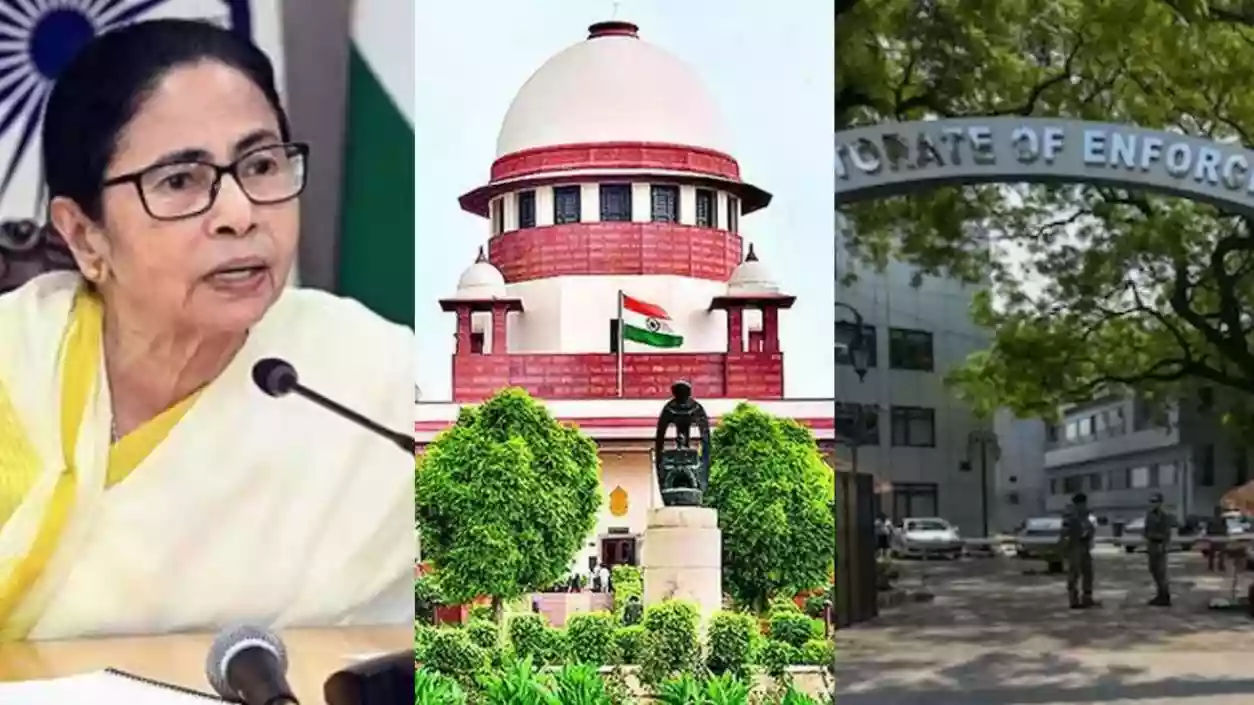
A sharp exchange unfolded in the Supreme Court during the hearing of the I-PAC case, with the bench raising a pointed hypothetical that intensified the legal debate. Questioning the state’s stance, the court asked what remedy would remain for the Enforcement Directorate (ED) if a Chief Minister were to allegedly interfere in an investigation. It further posed a “role reversal” scenario—if a party ruling a state were in power at the Centre, how would such a situation be addressed—bringing the issue of institutional balance into focus.
Representing the state government, senior advocate Kapil Sibal strongly objected to the line of questioning, asking whether the court was presuming that Chief Minister Mamata Banerjee had committed a crime. Responding, the bench clarified that no such presumption was being made and that the court was only examining allegations placed before it. It emphasised that where facts are contested or insufficient, investigation becomes necessary, which is why the demand for a CBI probe had arisen in the matter.
The hearing also saw an intense debate over whether the ED can invoke fundamental rights under Article 32 of the Constitution. Sibal argued that the ED, being a government agency under the Revenue Department, cannot claim violation of fundamental rights like an individual citizen. He maintained that criminal matters within a state’s jurisdiction should be investigated by the state police, and that it cannot be assumed from the outset that constitutional rights have been breached.
The bench, however, countered that the concept of fundamental rights is not always limited to individuals, and that the rule of law itself is a foundational constitutional principle that can be protected. It also questioned whether officials of the ED, if aggrieved, could seek legal remedies in their individual capacity, thereby complicating the distinction between institutional and personal rights.
The case stems from events earlier this year, when ED raids at premises linked to a political consultancy firm in Kolkata triggered a series of legal confrontations. The visit of the Chief Minister to the raid locations and the removal of documents led to competing claims and counter-cases, culminating in the present constitutional challenge. The Supreme Court is now tasked with addressing not only the facts of the case but also broader questions on federal structure, agency powers, and the scope of fundamental rights.



.webp)



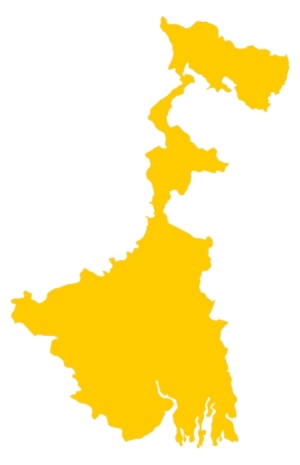 West Bengal
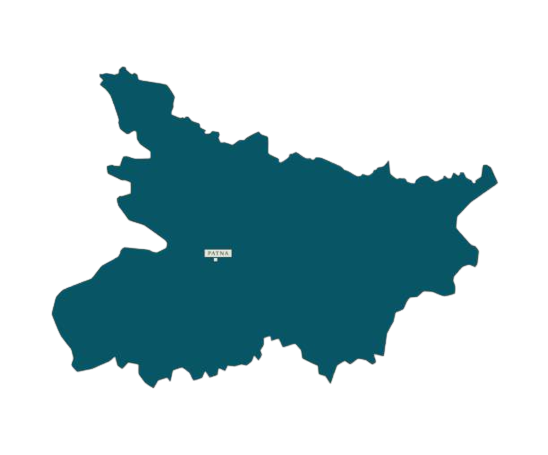 Bihar
Bihar Uttar Pradesh
 Jharkhand