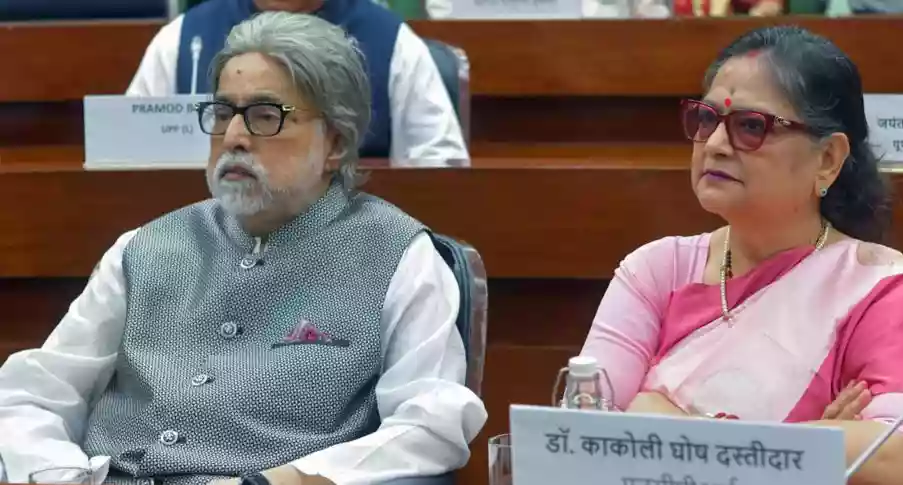
"Smaller parties shouldn't be prioritized": Sudip Bandyopadhyay hits at TMC
.gif)

Download Mobile App 






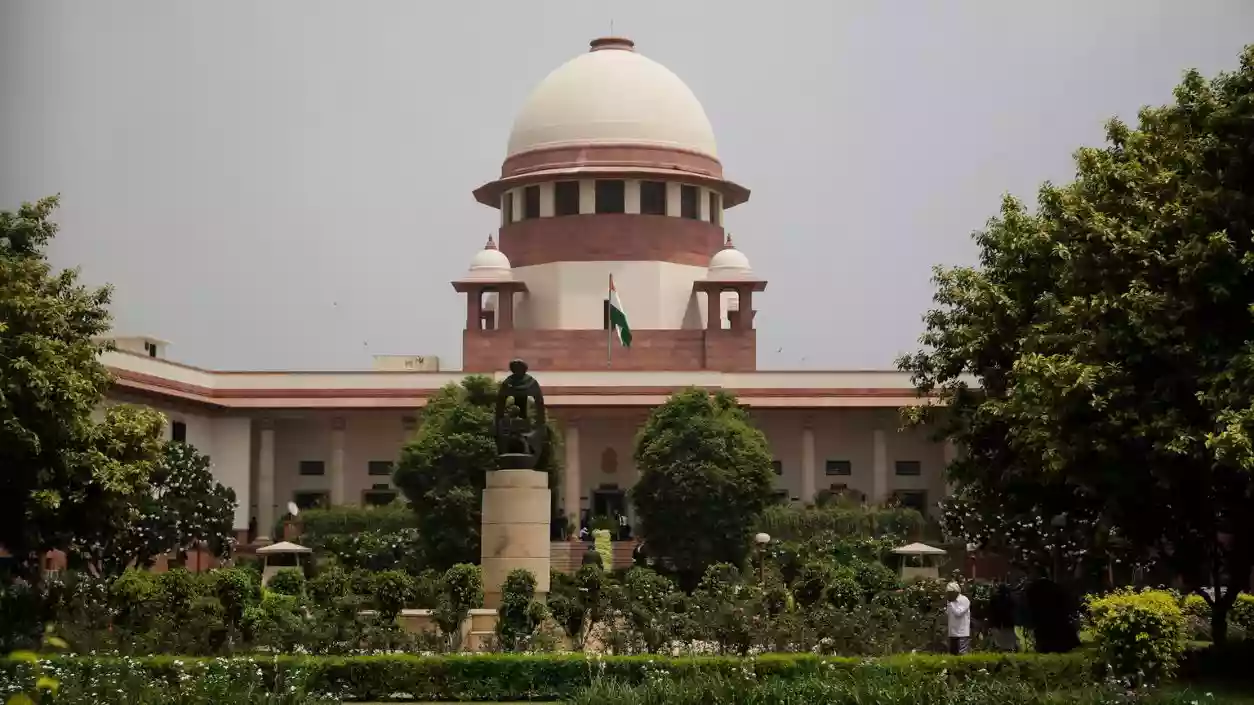
The Supreme Court of India has set aside the bail granted to an accused husband in a dowry death case, terming the relief “wholly unsustainable” and criticising the approach adopted by the Patna High Court. The top court directed the accused to surrender before jail authorities within one week, failing which a non-bailable warrant will be issued by the trial court.
A Bench of Justices J.B. Pardiwala and Vijay Bishnoi passed the order while hearing an appeal filed by the deceased woman’s mother. The case relates to an FIR registered in September 2024 in Bihar, where the woman was found dead under suspicious circumstances at her matrimonial home within one-and-a-half years of marriage. The prosecution alleged that she had suffered multiple injuries and was subjected to harassment over dowry demands.
According to the complaint, significant dowry, including ₹20 lakh in cash and valuables, had already been given at the time of marriage. However, the accused and his family allegedly continued to demand additional items such as a vehicle and motorcycle, leading to persistent harassment. The post-mortem report revealed severe internal and external injuries, including a skull fracture, ruptured sternum, and multiple abrasions, with the cause of death attributed to haemorrhage and shock due to head injury.
The apex court observed that the High Court failed to properly evaluate critical evidence, including medical findings and the gravity of the allegations, while granting bail. It noted that the decision appeared to rely mainly on the duration of custody and the slow progress of the trial, without adequate consideration of the seriousness of the offence. The court also highlighted that key statutory presumptions under the law were overlooked.
Expressing concern over the broader issue, the Supreme Court emphasised that dowry deaths remain a grave social concern requiring careful judicial scrutiny. It warned that a superficial approach in such cases could undermine public confidence in the justice system. While cancelling the bail, the court clarified that it was not commenting on the merits of the case and directed the trial court to expedite proceedings, preferably completing the trial within six months.






.webp)

 West Bengal
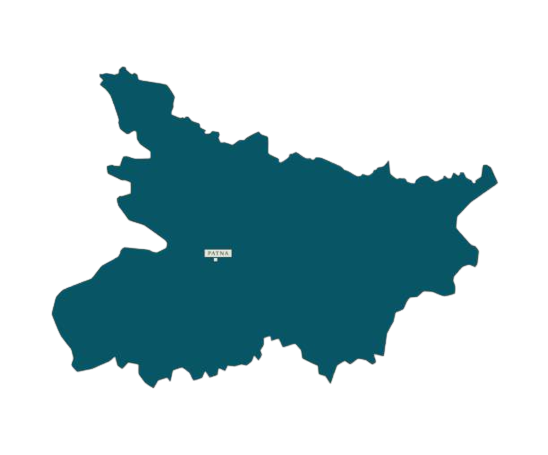 Bihar
Bihar Uttar Pradesh
 Jharkhand