
Bengal Govt elevates IPS Ajay Mukund Ranade to DGP (Law and Order)
.gif)

Download Mobile App 






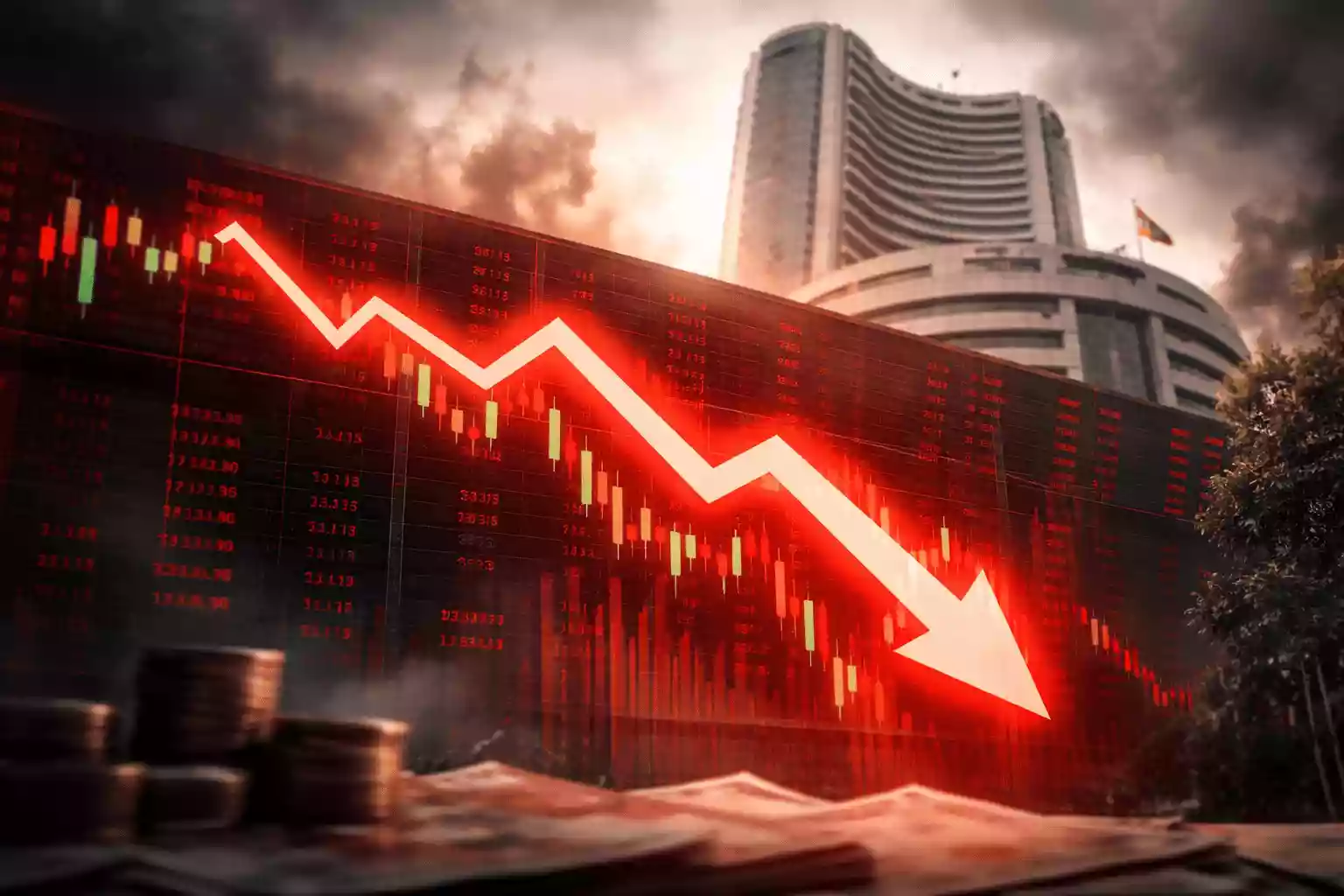
The Indian stock market suffered a brutal across-the-board selloff on Monday, May 11, 2026, marking the third consecutive day of sharp declines. The BSE Sensex plummeted 1,312.91 points, or 1.70%, to close at 76,015.28, while the NSE Nifty 50 shed 360.30 points, or 1.49%, ending at 23,815.85. The crash wiped out over ₹6 lakh crore in investor wealth in a single session, with the total market capitalization of BSE-listed firms dropping to approximately ₹467 lakh crore. Broader markets also felt the heat, as midcap and smallcap indices declined nearly 1% each.
The primary trigger for this massive exodus was a combination of escalating Middle East tensions and a sharp spike in crude oil prices, which surged above $105 per barrel. Domestic sentiment was further dampened after Prime Minister Narendra Modi urged citizens to reduce non-essential spending and conserve fuel to protect the nation's foreign exchange reserves. This advisory specifically hammered jewelry stocks like Titan, as the market interpreted the call to restrain gold purchases as a threat to near-term demand.
Sectoral pain was widespread, led by Consumer Durables which crashed over 3.7%, followed by Realty and PSU Banks. The Indian Rupee also faced intense pressure, slipping toward the 95-per-dollar mark, adding to concerns over a widening current account deficit. Volatility spiked sharply, with the India VIX rising over 10%, indicating deep-seated nervousness among traders about further market swings.



.webp)



.webp)


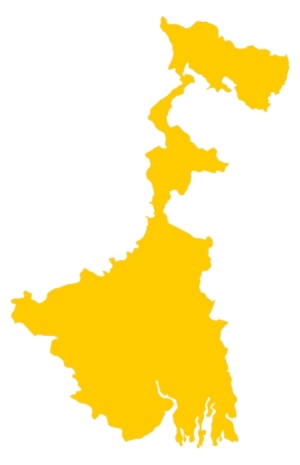 West Bengal
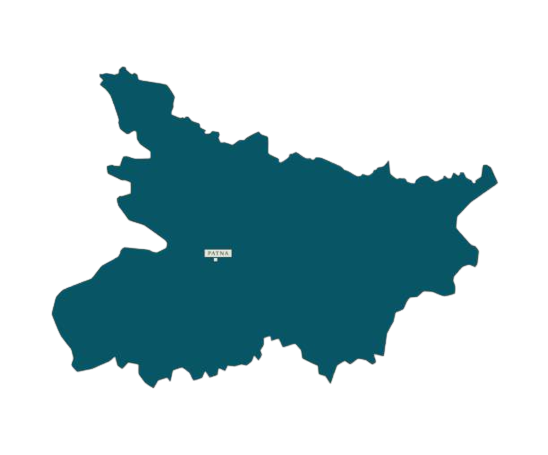 Bihar
Bihar Uttar Pradesh
 Jharkhand