
SPAIN wins FIFA World Cup 2026, beat Argentina 1-0 with goal in extra time
.gif)

Download Mobile App 






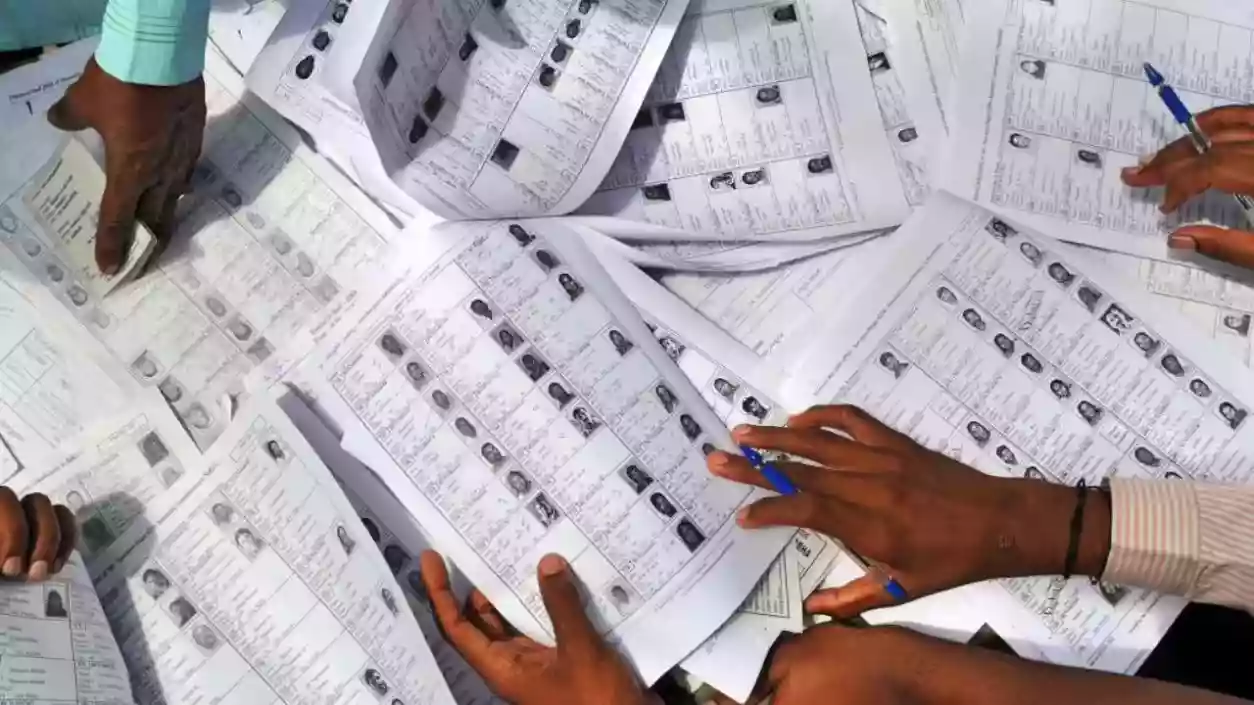
The judicial scrutiny of voter documents flagged under the “logical discrepancy” category during the Special Intensive Revision (SIR) of the electoral roll commenced on Monday, following recent directions from the Supreme Court. Authorities have clarified that decisions taken by the designated judicial officers in these cases will be final and binding.
The Election Commission has deployed around 150 Sessions Judges in the initial phase, with nearly 250 judicial officers assigned overall to examine the disputed documents. The large-scale verification exercise comes ahead of the publication of the state’s final electoral roll scheduled for February 28.
At the district level, the process will be monitored by three-member committees comprising the concerned District Judge, the District Magistrate—who also functions as the District Election Officer—and the District Superintendent of Police. Among the appointed officers, about 100 are currently serving in Special Courts under the NDPS Act and the Protection of Children from Sexual Offences (POCSO) Act, while the rest are from other Sessions Courts.
A meeting between judicial officers and representatives of the Election Commission of India was held in Kolkata on Sunday to issue detailed procedural guidelines. Officers were instructed to accept only the 13 types of identity documents specified by the Commission. The ruling All India Trinamool Congress (AITC) has objected to this restriction, arguing that other state-issued identity documents should also be considered.
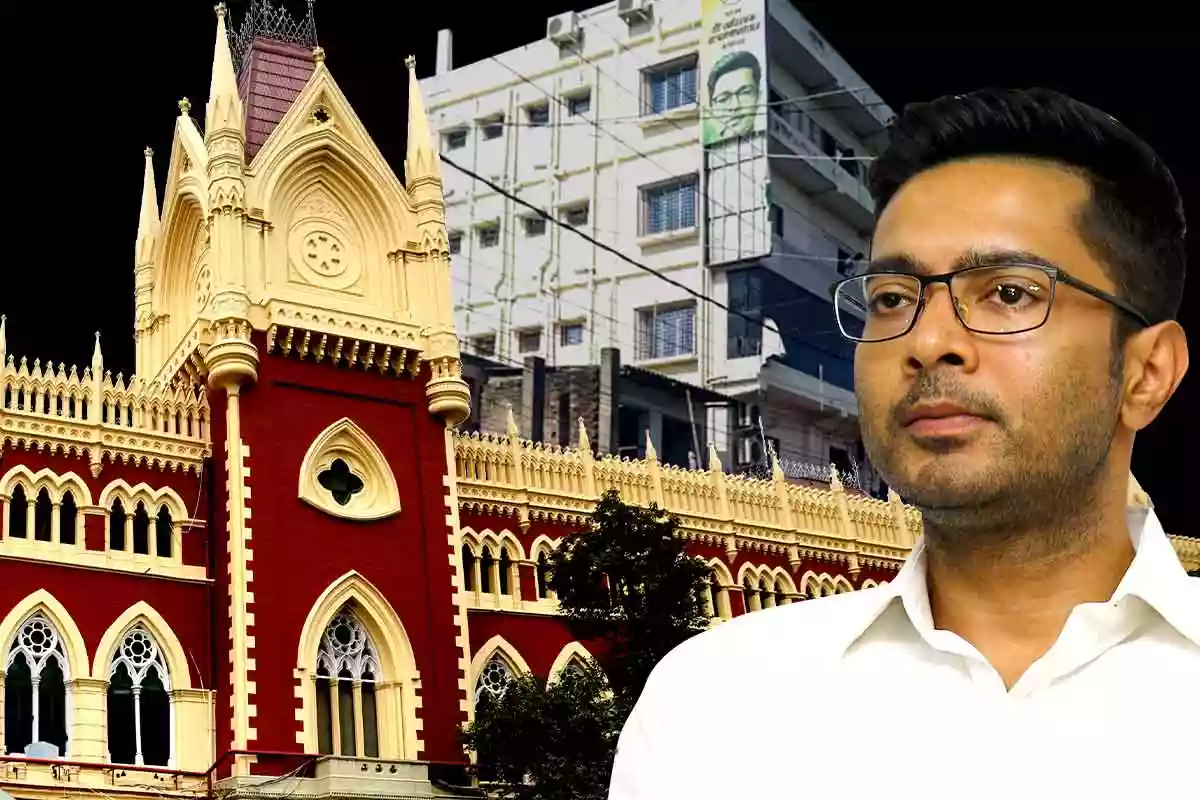
Approximately 5 million documents have reportedly been sent for judicial examination, raising concerns about completing the process within the stipulated timeframe. Cases under scrutiny will not be included in the electoral roll to be published on February 28; instead, a supplementary list will be issued after verification. Meanwhile, the Calcutta High Court has cancelled leave for all judicial officers in the state until March 9, except in cases of medical emergency, directing them to resume duty immediately.




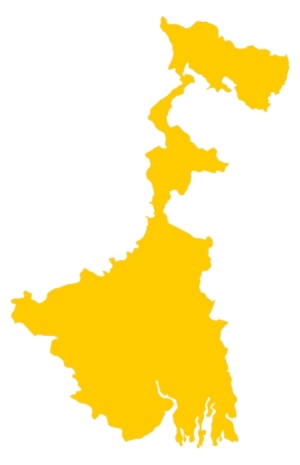 West Bengal
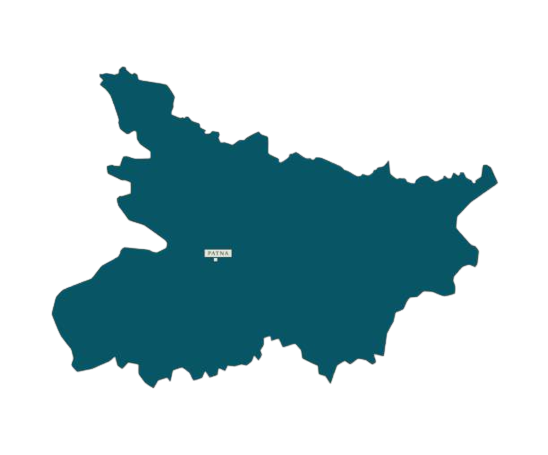 Bihar
Bihar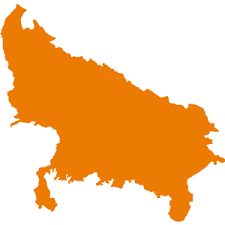 Uttar Pradesh
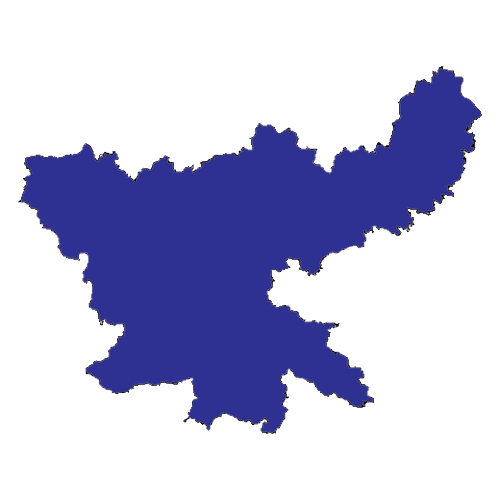 Jharkhand