
Abhishek slaps 10-crore defamation notice on Madan Mitra over 'murderer' jibe
.gif)

Download Mobile App 







When the quiet village of Betai Dakshin Jitpur slumbers under a canopy of stars, a son's unraveling mind shattered the peace with unimaginable horror. On midight around 2 a.m. Fela Das, the son who is gripped by deepening mental distress over his faltering auto-rickshaw business, allegedly seized a sickle and hacked relentlessly at his sleeping mother, Archana Das, a frail elderly woman in her twilight years. The savage attack, born from a festering argument over work and finances, left the 65-year-old bloodied and battling for life in Shakti Nagar District Hospital, where doctors describe her condition as critical with multiple deep wounds to her head and torso.
As neighbours rushed to the screams and flames—Fela had torched his newly bought auto before fleeing—the incident has gripped the Tehatta area in Nadia district, West Bengal, exposing the silent toll of untreated mental health crises in rural India. Police swiftly arrested Fela after his dramatic surrender at a nearby traffic guard office, sickle in hand, but the why lingers like a scar: a mother's love clashing with a son's despair.The Das household, tucked away in the modest lanes of Betai Dakshin Jitpur—a riverside village of about 14,000 souls straddling the India-Bangladesh border—had long simmered with tension. Archana, a widow eking out a living from odd jobs and her son's sporadic earnings, had watched Fela's dreams curdle. He'd invested his savings in a shiny new auto just weeks ago, hoping to ferry passengers along the dusty roads linking Tehatta to Krishnanagar. But the vehicle sat idle, rentals scarce in the post-monsoon slump, fueling Fela's growing isolation and irritability.
Locals whisper of his "manasik obosad"—bouts of depression that made him lash out at shadows, pacing the mud-floored home with eyes distant. That fateful night, a sharp exchange over the auto's futility escalated into fury; Fela, in a haze of rage, grabbed the sickle from the kitchen shelf and descended on his mother as she slept on a worn mat.Chaos erupts when the first blows landed. Archana's muffled cries pierced the humid air, jolting neighbors from their beds. "We heard the thuds, then her wails—'Bachao, beta has gone mad!'—and saw the orange glow from the auto," recounted a teary-eyed villager, Rina Devi, who helped drag the limp woman to safety. The three-wheeler, still reeking of fresh paint, was reduced to a smoldering husk by the time fire tenders arrived from Tehatta.
Archana, her sari soaked in blood, was first rushed to Tehatta Sub-Divisional Hospital, where frantic medics stabilized her enough for referral to Shakti Nagar. There, in the sterile hum of ventilators, she fights on—stitches holding gashes closed, but her spirit battered. Fela, 32 and unmarried, vanished into the darkness but resurfaced hours later at the traffic outpost, weapon dangling from his grip, mumbling incoherently. Officers from Tehatta Police Station cuffed him on the spot, charging him under sections for attempted murder and arson.As dawn broke over the paddy fields, the village buzzed with a mix of revulsion and reluctant empathy. "Fela was a quiet boy once, helping with chores, but the pressure broke him," said an elderly uncle, shaking his head over chai at the local tea stall.
Mental health stigma runs deep here; resources are scant, with the nearest counselor a two-hour bus ride away in Krishnanagar. Fela's episodes—erratic outbursts over money or imagined slights—had escalated since the auto purchase, locals say, culminating in this paroxysm of violence. Police sources reveal preliminary probes point to no substance abuse, just a man adrift in untreated depression, amplified by familial friction. The sickle, a common farm tool in these agrarian parts, now lies bagged as evidence, a grim symbol of how everyday objects turn lethal in desperate hands.The arrest brought swift closure to the manhunt, but questions swirl like the Bhagirathi River nearby. Archana had confided in a neighbor about Fela's "dark moods," yet pride or poverty silenced intervention.
Tehatta Police launched a full investigation, interviewing witnesses and sifting through the charred auto for clues. Fela remains in custody at Nadia District Jail, his pleas for psychiatric evaluation already echoing in court filings. Local leaders, including the Betai-II Gram Panchayat head, have pledged counseling drives, but skeptics wonder if it's too little, too late in a region where mental health is still taboo.This tragedy ripples beyond one family's ruin, spotlighting a national crisis: India's rural underbelly, where economic pressures collide with fragile minds. In Nadia, a district of flood-prone farmlands and migrant dreams, such stories are whispers away from headlines. As Archana clings to life, her son's surrender offers a sliver of hope for redemption through therapy. For now, Betai Dakshin Jitpur mourns a bond fractured, reminding us that behind every violent act lies a cry for help unheard. The sickle's edge has dulled, but the wounds—physical and psychic—will scar for generations.







 West Bengal
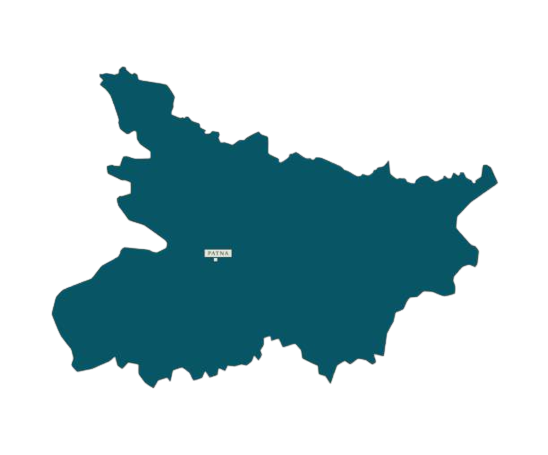 Bihar
Bihar Uttar Pradesh
 Jharkhand