.gif)

Download Mobile App 






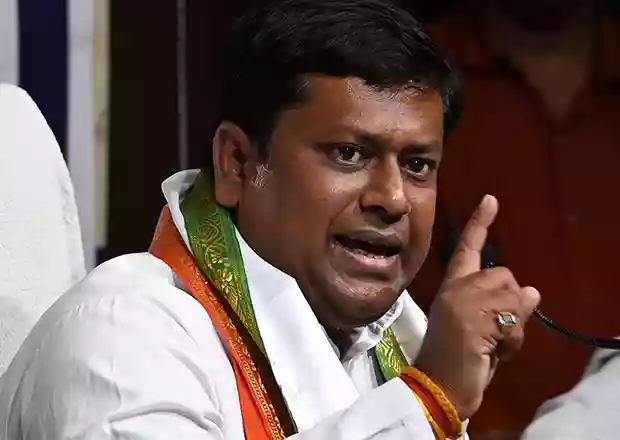
West Bengal’s higher education sector is under scrutiny as Union Minister of State for Education Sukanta Majumdar has called out the state government for its sluggish progress on projects funded under the Rashtriya Uchchatar Shiksha Abhiyan (RUSA) scheme. In a letter addressed to WB State Education Minister Bratya Basu today, Majumdar highlighted that despite the Centre allocating ₹544.73 crore—disbursing ₹383.69 crore so far—only a handful of the 205 approved projects since 2013 have been completed.
The stark gap between funding and results has sparked concerns about the state’s commitment to improving its universities and colleges, prompting Majumdar to urge swift action to complete the pending initiatives. As the issue gains traction, it underscores the ongoing tensions between the Centre and West Bengal’s Trinamool Congress (TMC) government, with potential implications for the state’s academic future.
The RUSA scheme, a flagship initiative by the central government, aims to enhance higher education by supporting infrastructure upgrades, faculty development, and research programs. In West Bengal, however, Majumdar’s letter points to a troubling decade-long delay in project execution. Of the 205 projects approved since 2013, only a few have reached completion, leaving students and educators without the promised improvements. The Centre’s allocation of ₹544.73 crore was intended to transform institutions like Jadavpur University, which received ₹100 crore for multiple projects, but progress remains frustratingly slow.
Majumdar’s letter emphasizes the need for accountability, urging Basu to prioritize these projects to meet the scheme’s goals of elevating educational standards.Specific colleges, such as Rani Birla Girls’ College, Barasat College, Savitri Girls’ College, and Maharaja Manindra Chandra College, have also faced criticism for their lack of progress. Each of these institutions received ₹2 crore in the first phase of RUSA to bolster academic facilities, yet the projects have seen minimal advancement. This stagnation has raised questions about the state’s administrative efficiency and its ability to utilize central funds effectively. Majumdar’s call for action reflects growing frustration among stakeholders who see the delays as a missed opportunity to strengthen West Bengal’s higher education ecosystem.
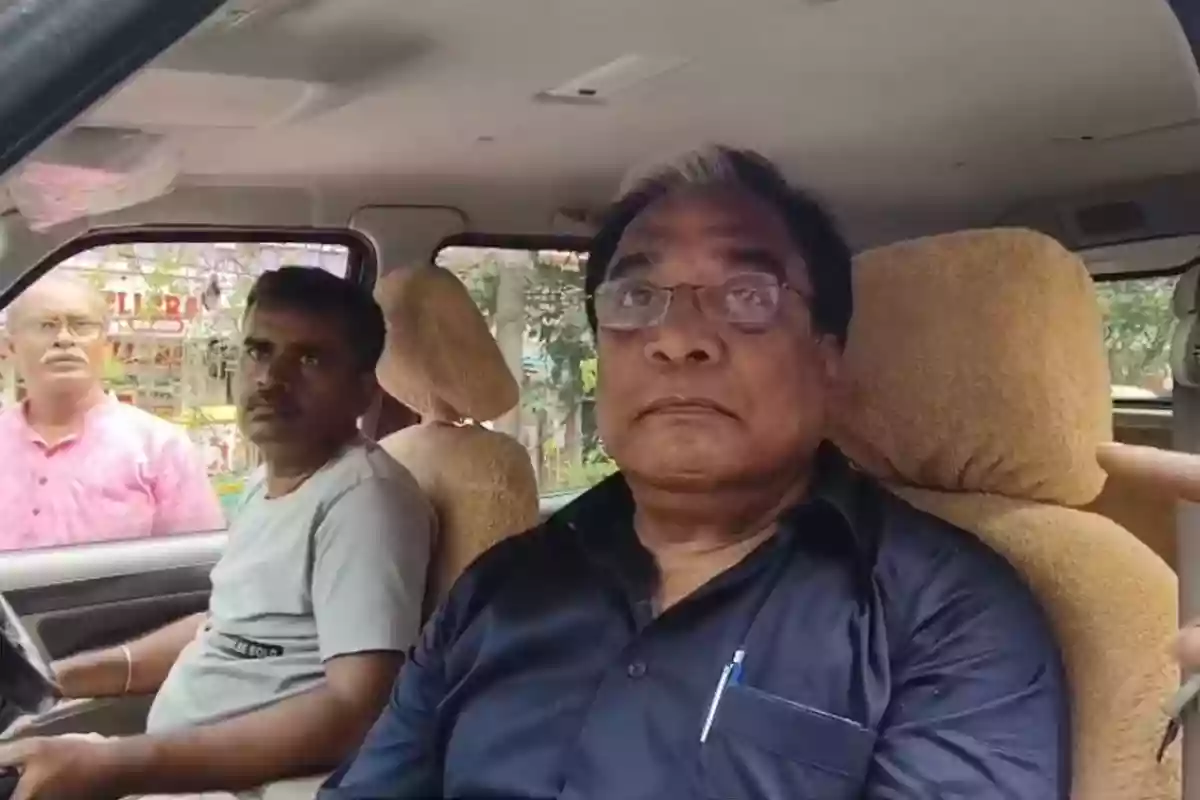
Bratya Basu, West Bengal’s Education Minister, has so far avoided engaging directly with the allegations, stating that he has not yet received Majumdar’s letter. “I can comment only after receiving the letter,” Basu said on September 2, 2025, at 6:52 PM IST, leaving the issue unaddressed for now. His cautious response has fueled speculation about underlying political tensions, as Majumdar, a Bharatiya Janata Party (BJP) leader, and the TMC-led state government often clash over governance issues. The lack of immediate comment from Basu has done little to quell concerns about the state’s handling of RUSA funds, with critics arguing that delays are undermining students’ access to quality education.The slow progress of RUSA projects is particularly significant as West Bengal aims to position itself as a hub for higher education in India.
Universities and colleges rely on these funds to modernize facilities, enhance research capabilities, and attract talent, but the delays risk putting the state at a disadvantage compared to others. Majumdar’s letter serves as both a critique and a call to action, pressing the state to demonstrate accountability and deliver on its commitments. For students and faculty, the stakes are high, as the timely completion of these projects could shape their academic and professional futures.
As the 2026 assembly elections loom, the RUSA controversy could become a political flashpoint, with the BJP leveraging it to highlight perceived administrative failures by the TMC government. The issue also raises broader questions about Centre-state coordination in education, a sector critical to West Bengal’s development. For now, the spotlight is on Basu to respond to Majumdar’s concerns and outline a plan to expedite the stalled projects. Until then, the state’s higher education institutions remain in limbo, awaiting the transformative changes promised by the RUSA scheme.




 West Bengal
 Bihar
Bihar Uttar Pradesh
 Jharkhand