
Abhishek slaps 10-crore defamation notice on Madan Mitra over 'murderer' jibe
.gif)

Download Mobile App 






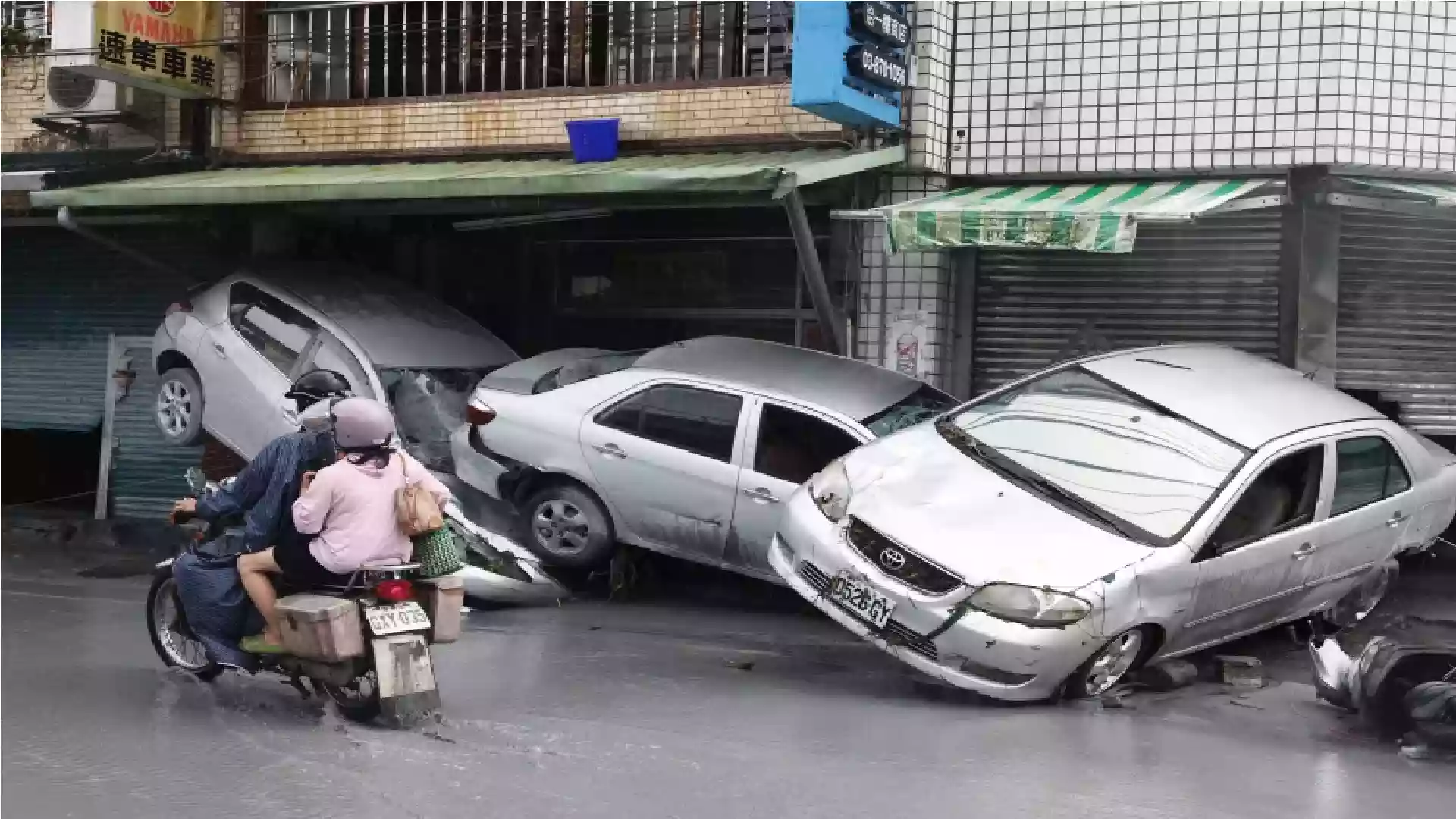
In a cataclysmic display of nature's unrelenting power, Super Typhoon Ragasa—the fiercest tropical cyclone to churn the Pacific this year—barreled into China's Guangdong Province yesterday, unleashing howling winds over 260 kph and storm surges cresting at 2.8 meters that swallowed coastal towns whole. Born from a swirling vortex over the warm western Pacific last week, the Category 5 behemoth first grazed the northern Philippines with landslides and floods, then pummeled Taiwan's eastern Hualien county, where a barrier lake's catastrophic burst killed 17 and left dozens missing in raging torrents. Skirting perilously close to Hong Kong—sparing it a direct hit but drenching its streets in biblical rains and massive waves that submerged promenades—Ragasa finally slammed into Yangjiang around 5 p.m. local time, toppling trucks, ripping roofs from factories, and forcing the evacuation of over one million souls in the densely packed Pearl River Delta.
Dubbed the "King of Storms" by China's meteorological agency, this monster has already claimed at least 20 lives across its path, with Guangdong's emergency crews—38,000 firefighters strong—racing against the clock amid power blackouts and communication blackouts. As the storm's "dirty side"—its most ferocious flank—bears down on oil-refining hubs like Maoming, the human cost mounts, a stark reminder that even prepared nations buckle under such fury.The typhoon's genesis was textbook ferocity: fueled by record-hot sea surface temperatures and a compliant atmosphere, Ragasa exploded from a tropical depression to super typhoon status in mere days, its eye a deceptive calm ringed by walls of churning cloud.
In the Philippines, it brushed northern provinces with gusts up to 295 kph, triggering flash floods that turned villages into quagmires and displacing thousands before veering east. Taiwan, no stranger to such tempests, activated its vaunted disaster machine—evacuating lowlands and fortifying mountains—but even that couldn't stem the Hualien horror, where a rain-swollen lake breached its earthen dam, unleashing a mud-choked deluge that swept homes and vehicles into oblivion. Rescuers, battered by aftershocks, clawed through debris for survivors, their efforts a grim ballet of helicopters and heart-wrenching calls.
Hong Kong, the glittering gateway to China, hunkered down under its highest typhoon signal, with ferries halted, stock markets shuttered, and residents taping windows against debris that flew like shrapnel. One heartbreaking vignette: a mother and her five-year-old son, mesmerized by the spectacle from the waterfront, were yanked into the sea by a rogue wave, now fighting for life in intensive care.Landfall in China transformed warnings into widespread woe. Yangjiang, a coastal city of fishing fleets and factories, bore the brunt first—winds howling like banshees uprooted trees, shattered glass facades, and hurled shipping containers like toys. Streets that buzzed with midday commerce turned ghostly, with sandbagged shops breached by surges that flooded basements and shorted power grids, plunging megacities like Shenzhen and Guangzhou into intermittent darkness.
The Pearl River Delta, economic powerhouse churning out electronics and apparel for the world, ground to a halt: ports idled, assembly lines silenced, and high-speed rails suspended as gusts whipped at 160 kph even after the eye passed. China's response was swift and massive—over 400 emergency teams deployed, military units fanning out for door-to-door checks, and state media broadcasting evacuation mandates that echoed through WeChat alerts. Yet, in rural fringes, complaints bubbled up: villagers in low-lying hamlets decried spotty warnings, their homes inundated before they could flee, echoing vulnerabilities in a nation that prides itself on ironclad preparedness.
As Ragasa churns inland, its wrath shows no signs of abating swiftly. Downgraded to a severe tropical storm by Thursday dawn but still packing 180 kph punches, it's carving a westward scar through Guangdong's rice paddies and industrial zones, spawning landslides that bury roads and rivers that swell to burst their banks. In Maoming, the refining giant, flares lit the night sky as facilities hunkered down, but fears linger of oil spills or structural failures under the onslaught. The human mosaic unfolds in fragments: a fisherman clinging to his capsized boat off Hainan, families huddled in makeshift shelters with sodden belongings, and volunteers distributing instant noodles amid the muck. For now, the death toll teeters at 20, with hundreds injured and missing, but as floodwaters rise, that number threatens to climb.The international ripple is palpable, with Vietnam and Laos steeling for the storm's enfeebled but rainy remnants by week's end, potentially deluging their own flood-prone heartlands.
Aid trickles in—Taiwan dispatching supplies to the Philippines, Hong Kong's tycoons pledging millions for recovery—while global insurers brace for billions in claims from disrupted supply chains. In Beijing, President Xi Jinping urged "all-out efforts" in a telegraphed missive, framing the crisis as a test of national resilience. On the ground, though, it's personal: a Guangdong schoolteacher texting her evacuated class about "dancing through the rain," or Philippine farmers salvaging sodden crops under gray skies. Yet amid the devastation, threads of defiance weave through. As the sun pierced today's clouds over battered Yangjiang, locals emerged to clear fallen palms and mend fences, their chatter laced with gallows humor about "the storm that outran the dragon." Ragasa, dissipating over Vietnam's highlands by Friday, leaves a legacy of lessons: bolster seawalls, heed the vulnerable, and reckon with a warming world that's arming tempests with unprecedented teeth. For the millions it touched, it's more than meteorology—it's a saga of survival, etched in wind-whipped scars and the unyielding human spirit that rebuilds, one sandbag at a time.





.webp)

.webp)


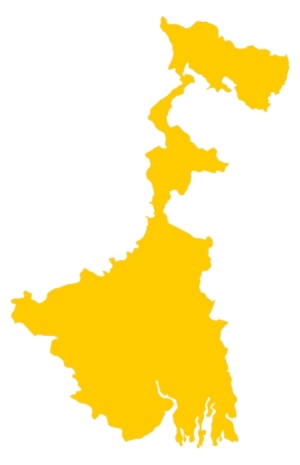 West Bengal
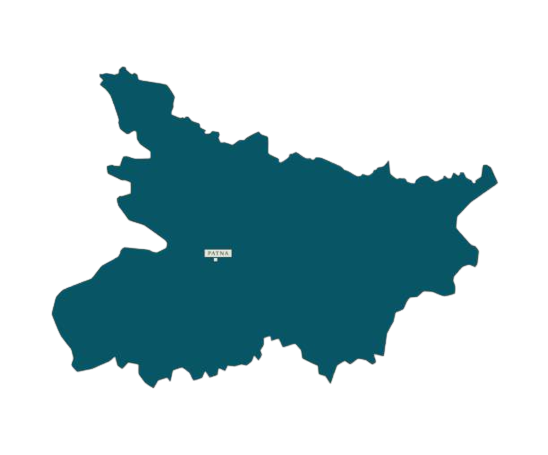 Bihar
Bihar Uttar Pradesh
 Jharkhand