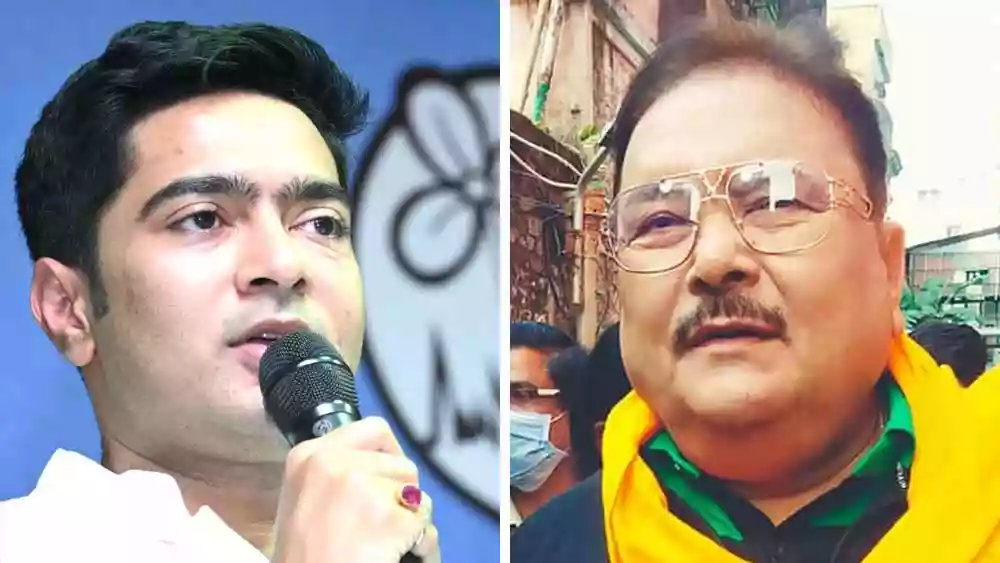
Abhishek slaps 10-crore defamation notice on Madan Mitra over 'murderer' jibe
.gif)

Download Mobile App 






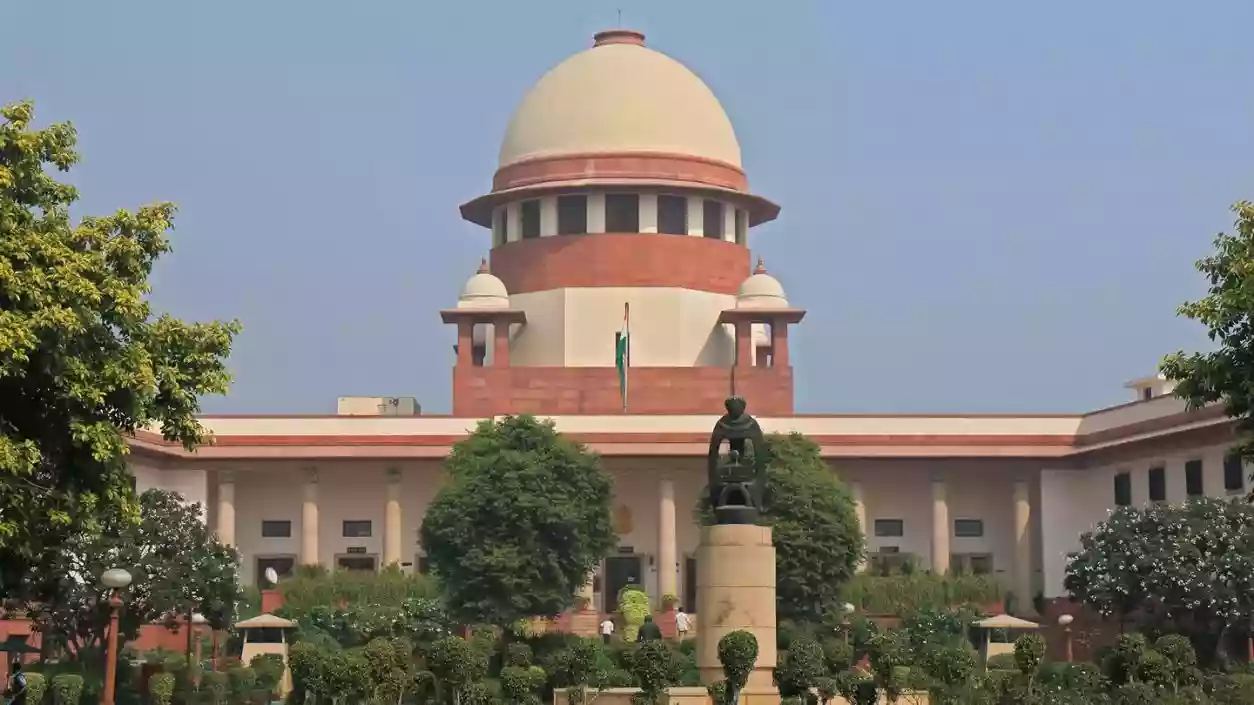
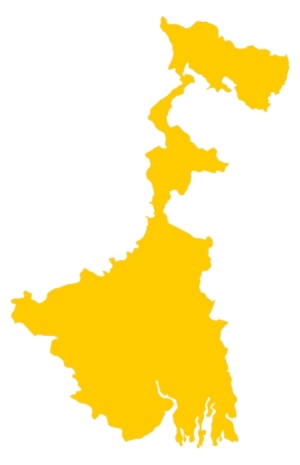
The Supreme Court on Monday issued a series of directions to streamline the Special Intensive Revision (SIR) process in West Bengal, extending the timeline for scrutiny beyond February 14 and reaffirming that final decisions will rest solely with Electoral Registration Officers (EROs). The court noted that verification of documents submitted in response to notices would require additional time and granted at least one more week for completing scrutiny and taking appropriate decisions.
Addressing concerns over the role of micro-observers, the bench clarified that micro-observers and state government officials would only assist the statutory authorities and would have no decision-making powers. The court said the genuineness of documents must be verified even if affected voters do not appear for personal hearings, and objections received must be considered strictly under the statutory framework.
To address manpower issues, the court directed the West Bengal government to ensure that all 8,505 Group ‘B’ officers listed report to District Election Officers or EROs by Tuesday evening. The Election Commission was given discretion to replace existing EROs or AEROs if required and to shortlist suitable officers from the list to assist EROs, with brief training of about a day.
The bench also took note of allegations raised by the Election Commission regarding law and order, including claims that records of objections were burnt and that FIRs were not being registered. While the state strongly refuted these allegations, the court reminded authorities of its earlier directions and ordered the Director General of Police to file a personal affidavit responding to the claims.
Reiterating the need for constitutional balance, the court stressed that while timelines are important, fairness and transparency cannot be compromised. It underlined that EROs are duty-bound to independently assess objections and documents, ensuring that eligible voters are not excluded due to procedural rigidity or administrative lapses.




 West Bengal
 Bihar
Bihar Uttar Pradesh
 Jharkhand