.gif)

Download Mobile App 






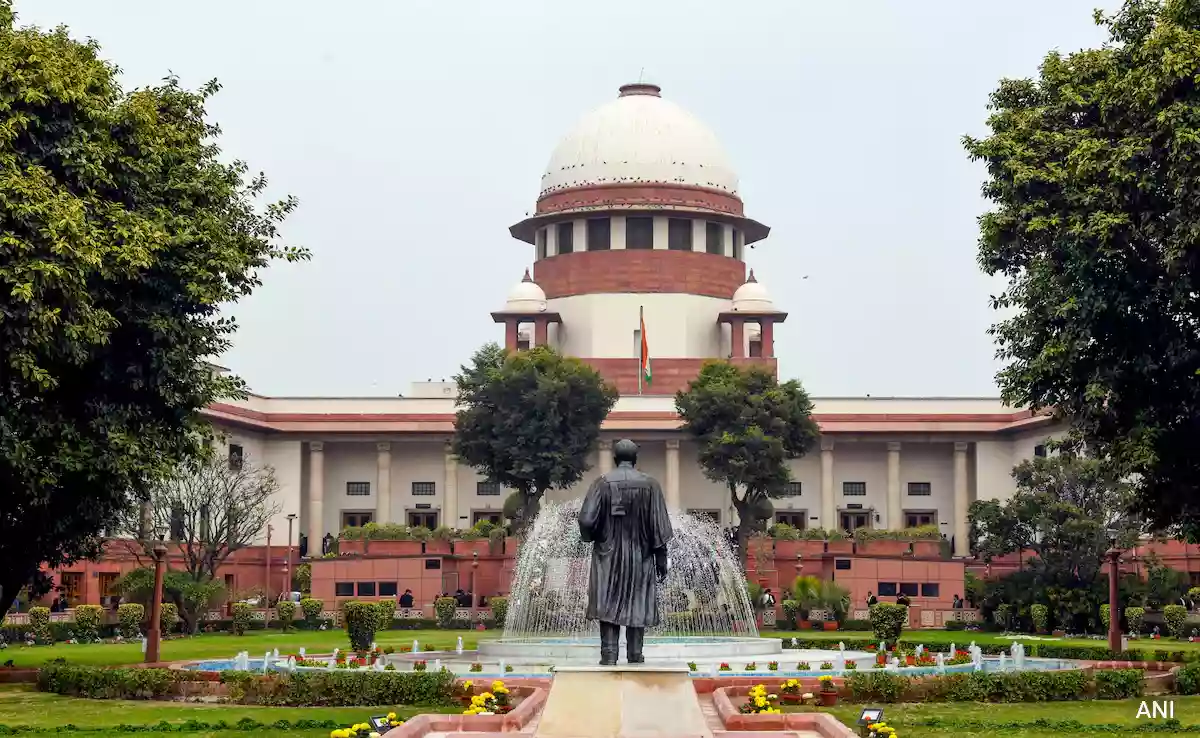
In a powerful moment of reflection, the Supreme Court on Wednesday invoked the ongoing violence in Nepal to underscore the strength and stability of India's Constitution. During the hearing of a presidential reference case, a bench comprising Chief Justice of India B.R. Gavai and Justice Vikram Nath pointed to the political turmoil in neighboring countries as a stark contrast to India's peaceful democratic framework. The comments serve as a timely reminder of the country's enduring constitutional values.
The remarks were made by Chief Justice Gavai, who stated, "We are proud of our Constitution, see what is happening in neighboring countries." His words were a direct reference to the anti-corruption protests that have been raging in Nepal, which have so far resulted in the deaths of 21 people. The Chief Justice's observation highlights the judiciary's awareness of the geopolitical landscape and its role as a guardian of the Indian democratic system.
Echoing the sentiment, Justice Vikram Nath added, "And Bangladesh," drawing a parallel to the student protests in that country. The Justice was referring to a recent period of unrest which culminated in the then-Prime Minister Sheikh Hasina being forced to flee. The Supreme Court's bench thus used these two specific examples to demonstrate how India's Constitution provides a peaceful and structured mechanism for resolving political and social disputes, unlike the violent outbursts seen in other nations.
The bench's comments were not made during a case directly related to law and order but rather during a hearing on a presidential reference, adding to their significance. It was an impromptu observation that captured the essence of India's democratic maturity. By making this comparison, the Supreme Court subtly reinforced the importance of upholding constitutional principles and the rule of law, which are often taken for granted.
The political unrest in Nepal has been triggered by a youth-led agitation against a social media ban and government corruption, leading to a widespread breakdown of law and order. The protests in Bangladesh were also fueled by a popular demand for systemic change. In both cases, the absence of strong, universally respected democratic institutions led to chaotic and often violent outcomes.








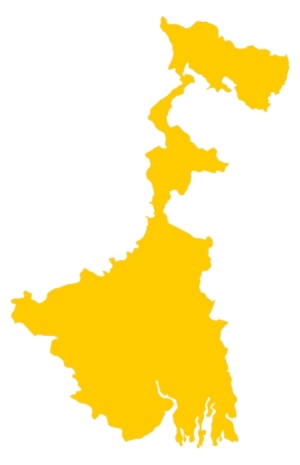 West Bengal
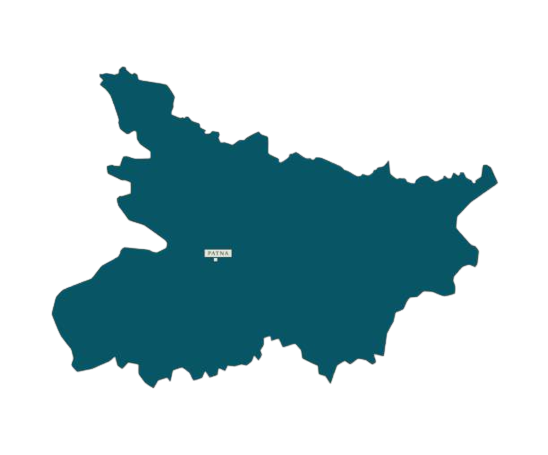 Bihar
Bihar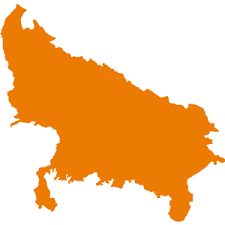 Uttar Pradesh
 Jharkhand