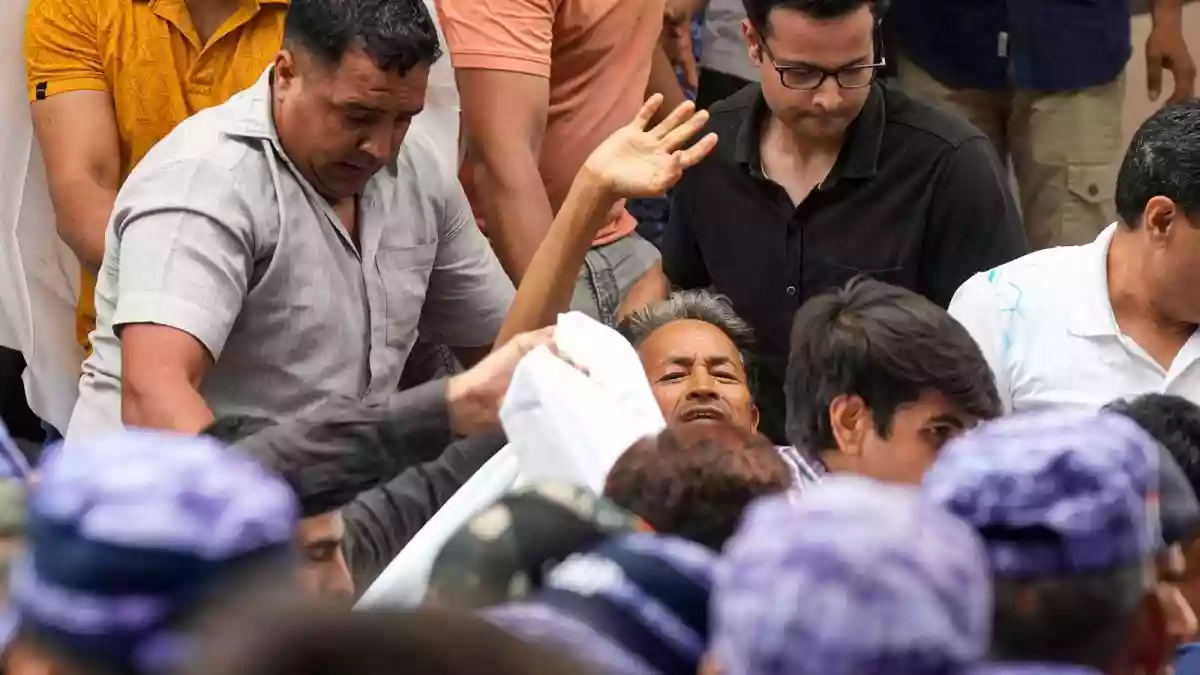
Sonam Wangchuk vows to continue hunger strike as CJP reclaims Jantar Mantar stage
.gif)

Download Mobile App 






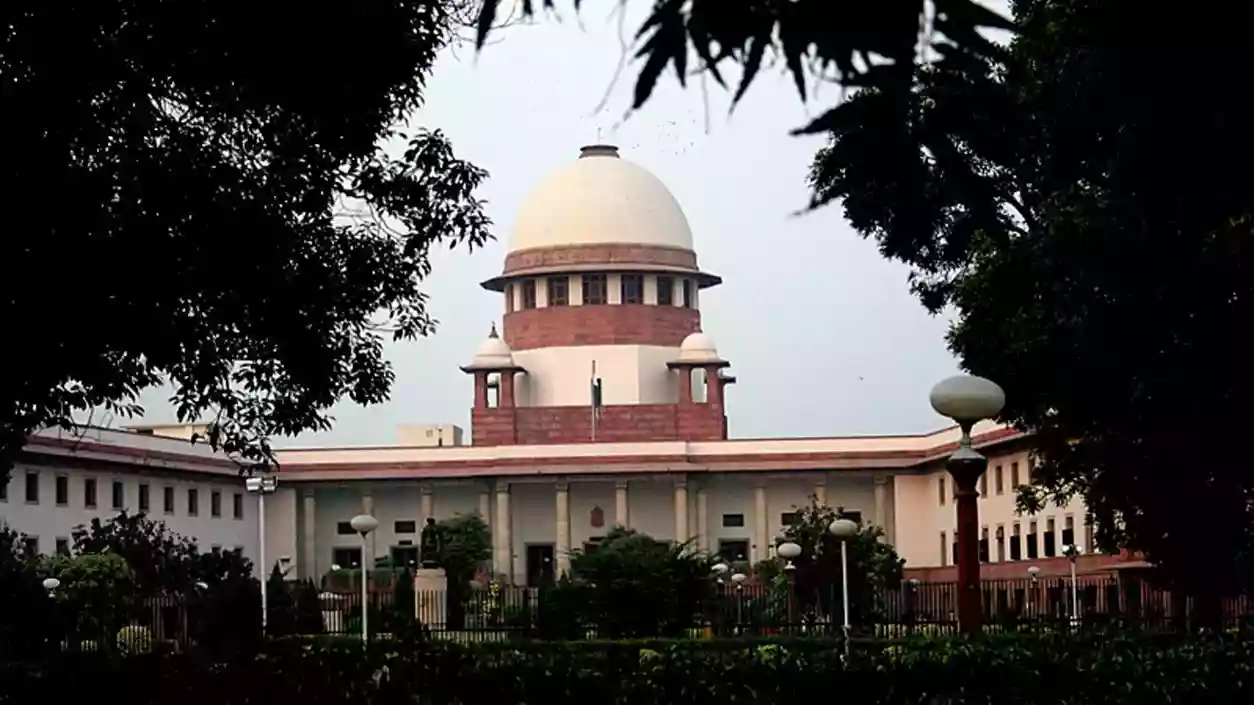
The Supreme Court is scheduled to hear on August 14 a set of applications seeking the restoration of statehood to Jammu and Kashmir. The causelist shows that a Bench comprising Chief Justice of India B R Gavai and Justice K Vinod Chandran will take up the matter a day before Independence Day.
The applications, filed by academician Zahoor Ahmed Bhat and socio-political activist Khurshaid Ahmad Malik, state that the delay in restoring statehood “is gravely affecting the rights of the citizens of Jammu and Kashmir and also violating the idea of federalism.” The petitioners said Jammu and Kashmir has been functioning as a Union Territory for almost five years, which has resulted in developmental setbacks and limitations on democratic governance.
In its December 11, 2023 verdict, the Supreme Court upheld the abrogation of Article 370, which granted special status to Jammu and Kashmir, and ordered that Legislative Assembly elections be conducted by September 30, 2024. The verdict also directed that the statehood of Jammu and Kashmir be restored “at the earliest and as soon as possible.” Solicitor General Tushar Mehta had informed the court that the Union Home Ministry could not provide a specific timeline, stating it would take “some time” for restoration.
The petitioners highlighted that both assembly and Lok Sabha elections in Jammu and Kashmir were conducted peacefully, with results declared on October 8, 2024. They argued that no security concerns or disturbances exist that would prevent the restoration of statehood, emphasizing that non-restoration continues to limit the scope of a fully elected government in the region.
The December 2023 verdict also confirmed Ladakh’s status as a Union Territory under Article 3(a) of the Constitution. In May 2024, the Supreme Court dismissed review petitions challenging the verdict, stating there was “no error apparent on the face of the record” and refused to list the matter in open court. The petitioners seek a clear timeline from the Centre for restoring statehood in accordance with the court’s directives.



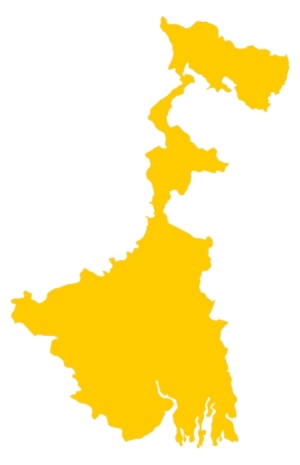 West Bengal
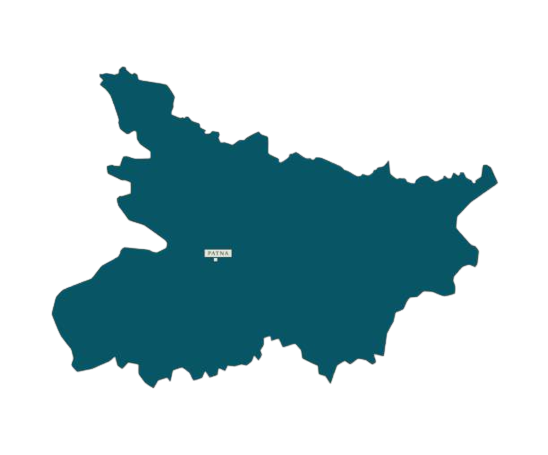 Bihar
Bihar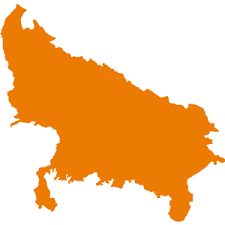 Uttar Pradesh
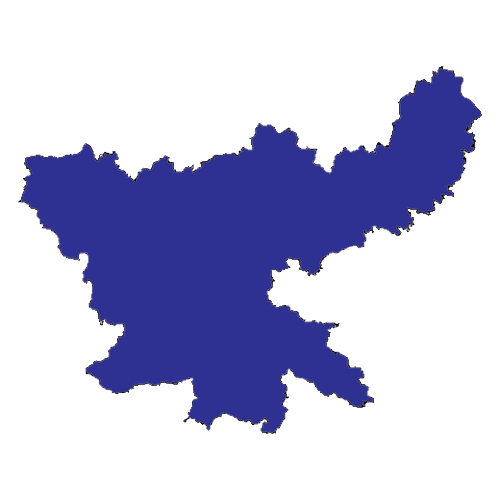 Jharkhand